In a nutshell
- 🍯 Brown sugar hardens because its molasses coating is highly hygroscopic; in dry air it loses moisture, binding crystals into a brick—dehydration, not spoilage.
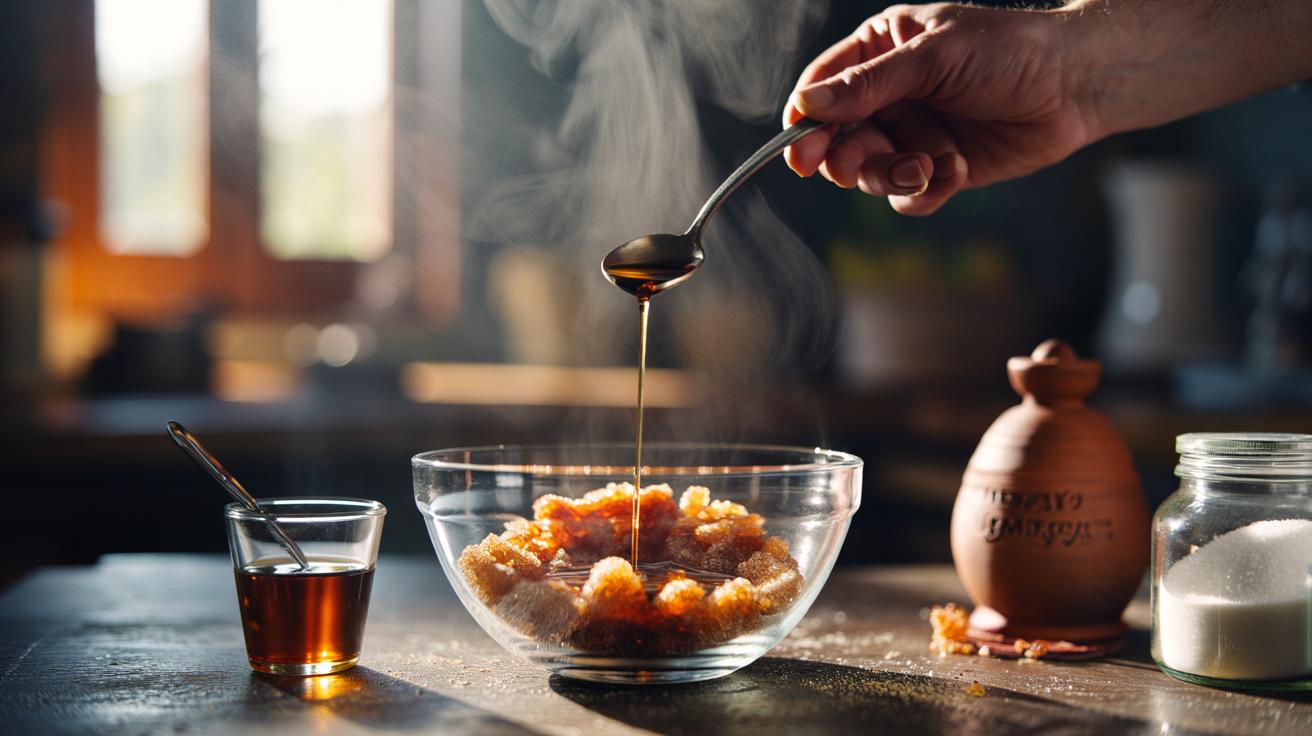
- ⚗️ The fix: make a light sugar + hot water syrup (1 tsp sugar + 1 tsp just-boiled water); drizzle about 1 tsp per 200 g over the sugar, cover 3–5 minutes, then fluff and break up; add in ¼ tsp increments if still firm.
- ⏱️ For speed, a brief 10-second microwave burst on the covered bowl accelerates diffusion; avoid over-wetting—if it happens, spread and air-dry, tossing until the texture is soft, packable rather than sticky.
- 🧰 Alternatives: damp towel + microwave (fast but uneven), bread/apple overnight (hands-off yet slow and may transfer flavour), and a soaked terracotta sugar saver for steady humidity.
- 🛡️ Prevention: store in a truly airtight container, minimise headspace, portion into smaller bags, return promptly after measuring, or even freeze to lock in moisture and stop rehardening.
British kitchens know the pain: you reach for a bag of soft brown sugar and meet a rock. Before you surrender to chiselling, there is a quick, elegant fix hiding in plain sight. A simple sugar + hot water syrup can restore that block to its original, spoonable fluff in minutes, not hours. The trick is controlled rehydration, delivering just enough moisture to the molasses-rich crystals to loosen their grip without turning the lot into sludge. This method is fast, repeatable, and relies on ingredients you already have by the kettle. Below, I explain why brown sugar hardens, how to deploy the syrup step by step, and the best ways to keep it soft for months.
Why Brown Sugar Turns Rock Hard
Brown sugar is white sugar coated with a film of molasses, and it is highly hygroscopic: it attracts and releases moisture readily. When left in a loosely sealed bag or a canister that’s opened frequently, the surface moisture migrates into the air. As the water evaporates, the thin molasses film dries and binds crystals together, creating that notorious brick. Central heating, dehumidifiers, and winter air accelerate the process. It takes only a few days in a dry environment for brown sugar to set like concrete. White sugar, by contrast, lacks that molasses coating and resists clumping, which is why the problem seems unique to brown varieties.
Hardening is not a sign of spoilage; it’s dehydration. The fix is simple: return a measured whisper of moisture to the crystal surfaces so they regain mobility and spring. The mistake most people make is adding straight water in a splash, which pools, dissolves pockets of sugar, and leaves sticky lumps. A light syrup distributes more evenly, penetrates faster, and avoids localised melting. Think of it as re-seasoning the sugar with humidity—precisely where it’s needed, not everywhere at once.
The Quick Syrup Method, Step by Step
Boil the kettle. In a small heatproof cup, dissolve 1 teaspoon of granulated sugar in 1 teaspoon of just-boiled water to make a light syrup. For a 200 g block of hard brown sugar, start with only 1 teaspoon of this syrup; for 100 g, begin with 1/2 teaspoon. Tip the brown sugar into a mixing bowl and drizzle the syrup evenly across the surface, not in one spot. Cover the bowl tightly with a plate or cling film to trap steam. Wait three to five minutes to let moisture diffuse into the crystals. Uncover and break up the clumps with a fork or clean hands, lifting and tossing to spread the moisture.
Assess the texture. If still too firm, add another 1/4 teaspoon of syrup, cover for two minutes, then fluff again. Patience beats drenching here: you’re aiming to add just enough moisture for softness without glossiness. If you’re in a real rush, give the covered bowl a 10-second microwave burst to warm the sugar slightly and speed diffusion—no longer, or you’ll melt patches. The result should be springy, packable sugar that behaves under a spoon. Use immediately or decant to an airtight jar while the moisture balance is ideal. If you accidentally over-wet, spread the sugar on a tray and air-dry for a few minutes, tossing until it feels right.
Alternatives and Prevention Tips
There are other ways to rescue brown sugar, though few beat syrup for speed and control. A damp paper towel over the bowl, microwaved in 10–20 second bursts, works in a pinch but risks uneven melting. The overnight slice-of-bread or apple-wedge trick rehydrates gently, yet it’s slow and can introduce off smells if left too long. A terracotta sugar saver, soaked and tucked into an airtight jar, is a dependable, low-effort option that maintains humidity for weeks. For prevention, use a genuinely airtight container, squeeze the air from bags, and consider storing surplus brown sugar in the freezer—its moisture stays locked in, and it’s usable straight from frozen. Small, frequent batches avoid the cycle of hardening and rescue missions.
| Method | Time | Best For | Watch-outs |
|---|---|---|---|
| Sugar + hot water syrup | 3–8 minutes | Controlled, even softening | Add syrup sparingly to avoid stickiness |
| Microwave with damp towel | 1–2 minutes | Emergency speed | Hot spots; partial melting if overheated |
| Bread/apple overnight | 8–24 hours | Hands-off rehydration | Flavour transfer; slow |
| Terracotta sugar saver | Setup once | Long-term maintenance | Must keep container airtight |
Storing tactics matter as much as rescues. Choose a snug jar, minimise headspace, and return sugar promptly after measuring. If you bake intermittently, divide brown sugar into smaller airtight bags so you only open what you need. A monthly check-in—breaking up any early clumps—prevents full calcification. The goal is to manage moisture, not fight it. With that in mind, the light syrup method earns a permanent slot next to your kettle: it’s quick, precise, and gives you command over texture, whether you need soft, packable sugar for cookies or looser crystals for crumble toppings.
In a world where kitchen fixes often overpromise, the sugar + hot water syrup trick is refreshingly reliable: a few drops, a short wait, and your brown sugar is back in the game. It respects your ingredients, saves time, and keeps baking plans on track. Once you learn the feel of “just enough” moisture, you’ll never panic at a sugar brick again. Will you adopt the syrup method as your go-to, or do you have a family hack—perhaps a terracotta disc or a clever storage twist—that deserves a place in every baker’s repertoire?
Did you like it?4.3/5 (23)