In a nutshell
- 🍋 Lemon zest added to boiling water releases volatile essential oils (limonene, citral) that form a brief emulsion and ride steam, scenting every grain.
- 🧪 During gelatinisation, rice’s starch matrix (amylose/amylopectin) exposes hydrophobic pockets that trap citrus oils; a pinch of salt sharpens aroma perception.
- 🔥 Method: rinse rice, boil salted water, add about 1 tsp zest per 200 g rice (optional 1/2 tsp neutral oil), simmer covered, then rest 10 minutes; avoid bitter pith.
- 📏 Ratios at a glance: Basmati 1.6:1 (10–12 min), Jasmine 1.4:1 (12–14 min), Brown long‑grain 2.0–2.2:1 (30–40 min); use fine zest or muslin-tied strips for clean removal.
- 🌿 Variations: pair lemon with cardamom or peppercorns; finish with fresh zest and butter for top notes—delivering flavour from within that suits fish, pulses, and greens.
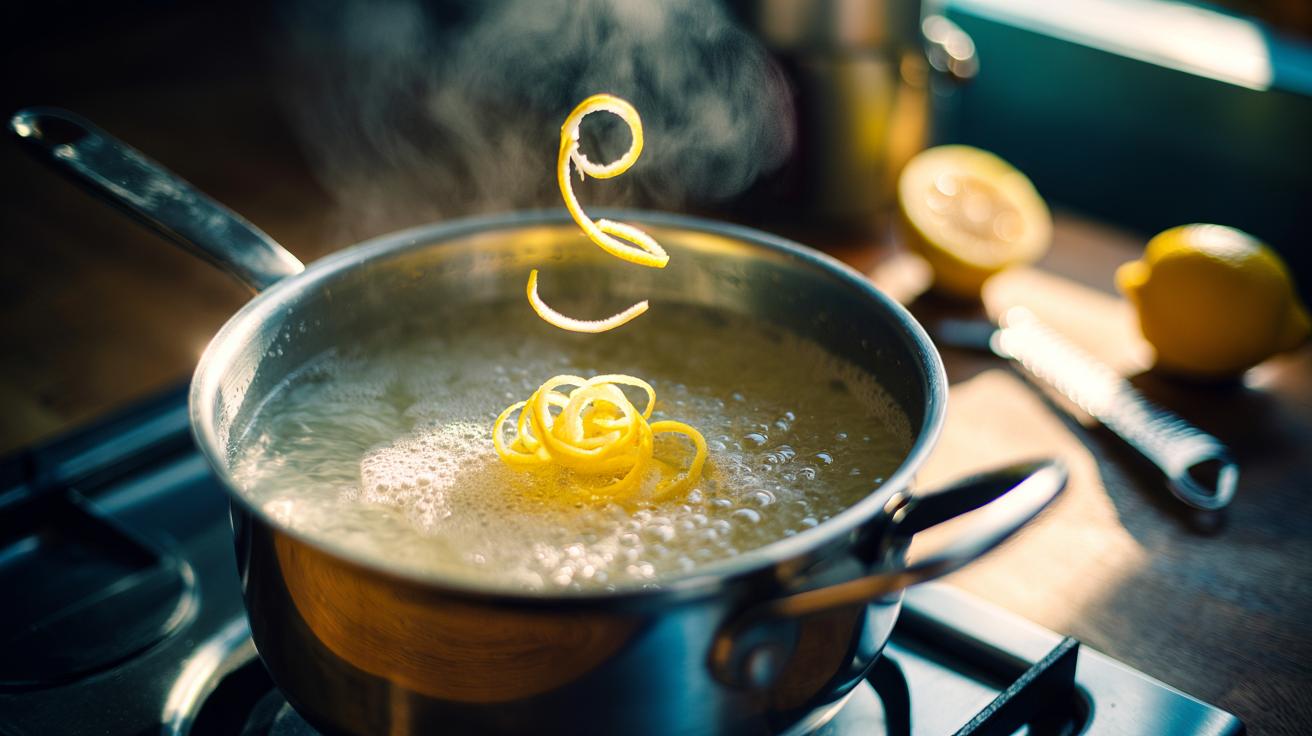
The trick of tossing lemon zest into boiling water before adding rice looks like theatre, yet it is grounded in kitchen chemistry. As the water churns, the peel’s tiny oil glands burst, releasing bright, volatile essential oils that ride the bubbles and steam. Those molecules meet swelling starch and cling on, gifting the pot with clean, sunlit perfume. A teaspoon of zest can lift an everyday side into something that tastes deliberate and lively. Better still, the method is low-effort, waste-conscious, and works with supermarket lemons. Here is how the oils find every grain—and how to harness them for consistently fragrant, well-textured rice.
Why Lemon Zest Works in Boiling Water
Freshly removed lemon zest is dense with aromatic compounds such as limonene, citral, and pinene, housed in the peel’s oil vesicles. Heat and agitation rupture these pockets, forming fine droplets that disperse through boiling water. Although these oils are hydrophobic, the turbulence of a rolling boil and the natural surfactants in citrus help them momentarily suspend as a loose emulsion. This short-lived dispersion is long enough for the rice to absorb both aroma and flavour as it cooks. In practical terms, adding zest at the moment of the boil keeps the top notes vivid and avoids cooking them off before the grains arrive.
There is a second advantage: steam. Volatile notes hitch a ride on vapour, bathing the pot so even the grains at the top of the absorption method receive scent. Use thin strips from a peeler or finely grated zest; both work, though gratings infuse faster. Keep the bitter white pith to a minimum. Resist simmering zest alone for minutes on end—drop it in just before the rice to preserve freshness.
The Science of Oil Infusion in Starch
As rice heats, its starches—chiefly amylose and amylopectin—undergo gelatinisation, swelling as they absorb water. The surface loosens, exposing hydrophobic pockets and forming a soft matrix that can trap small, oily molecules. This is why citrus volatiles cling even though they do not truly “dissolve” in water. Once caught in the starch network, those compounds endure past the boil, perfuming the finished rice rather than evaporating into the kitchen. A pinch of salt helps balance perceived acidity and heighten aroma delivery to the nose.
Trace lipids on the grain and released surface starch act like a sponge for lemon’s essential oils. A half-teaspoon of neutral oil in the pot can stabilise more droplets, but it is optional; the rice’s own starches do much of the work. Citral contributes sharp, lemony brightness; limonene brings sweet peel notes. If you prefer extra zing, finish with fresh zest after cooking, yet know that the boiled-in zest creates a subtler, deeper base. Think of it as flavour from within, not just a garnish on top.
Kitchen Method and Pro Tips
Rinse rice until the water runs mostly clear to remove excess surface starch; drain well. Bring salted water to a brisk boil. Add 1 teaspoon finely grated lemon zest per 200 g dry rice, plus an optional 1/2 teaspoon neutral oil to aid dispersion. Tip in the rice, stir once, then lower to a gentle simmer with a tight lid. Do not keep opening the pot—steam is your ally for carrying aroma. When the water is absorbed, rest the rice off the heat for 10 minutes, then fluff. For clean flavour without bitterness, zest just the yellow skin and avoid deep pith. If using strips, tie them in muslin for easy removal.
| Rice Type | Water : Rice (by volume) | Zest per 200 g Rice | Simmer Time |
|---|---|---|---|
| Basmati (white) | 1.6 : 1 | 1 tsp | 10–12 min |
| Jasmine (white) | 1.4 : 1 | 1 tsp | 12–14 min |
| Long-grain (brown) | 2.0–2.2 : 1 | 1.5 tsp | 30–40 min |
To steer the profile, add one crushed cardamom pod for a floral lift, or a few peppercorns for warmth; both sit happily beneath lemon’s peel notes. For risotto-style dishes, stir a final pinch of fresh zest and a knob of butter through at the end for top-note sparkle over the deeper, boiled-in base. Small adjustments—a little more zest, a tighter lid, a short rest—determine whether the fragrance whispers or sings.
Lemon-scented rice is more than a pleasant surprise; it is a neat lesson in how essential oils behave in a hot, starchy environment and why timing governs flavour. The method rewards good kitchen habits: sharp zester, patient simmer, and a final rest to set the grains. It is forgiving, versatile, and naturally light—ideal with grilled fish, herbed chickpeas, or courgettes with olive oil. Once you learn to seat aroma inside the grain, you can play with orange, kaffir lime, or bay. Which citrus or spice will you try next to let the steam carry flavour into every grain?
Did you like it?4.5/5 (29)