In a nutshell
- 🧊 Ice cube tray pesto portions freeze sauce at its peak, curb oxidation, and stop waste; typical cubes are 20–30 g for easy, measured use.
- 🧪 Choose silicone trays with a tight-fitting lid and marked volumes (15–40 ml) for clean release, odour protection, and precision; stackable, dishwasher-safe designs keep the routine simple.
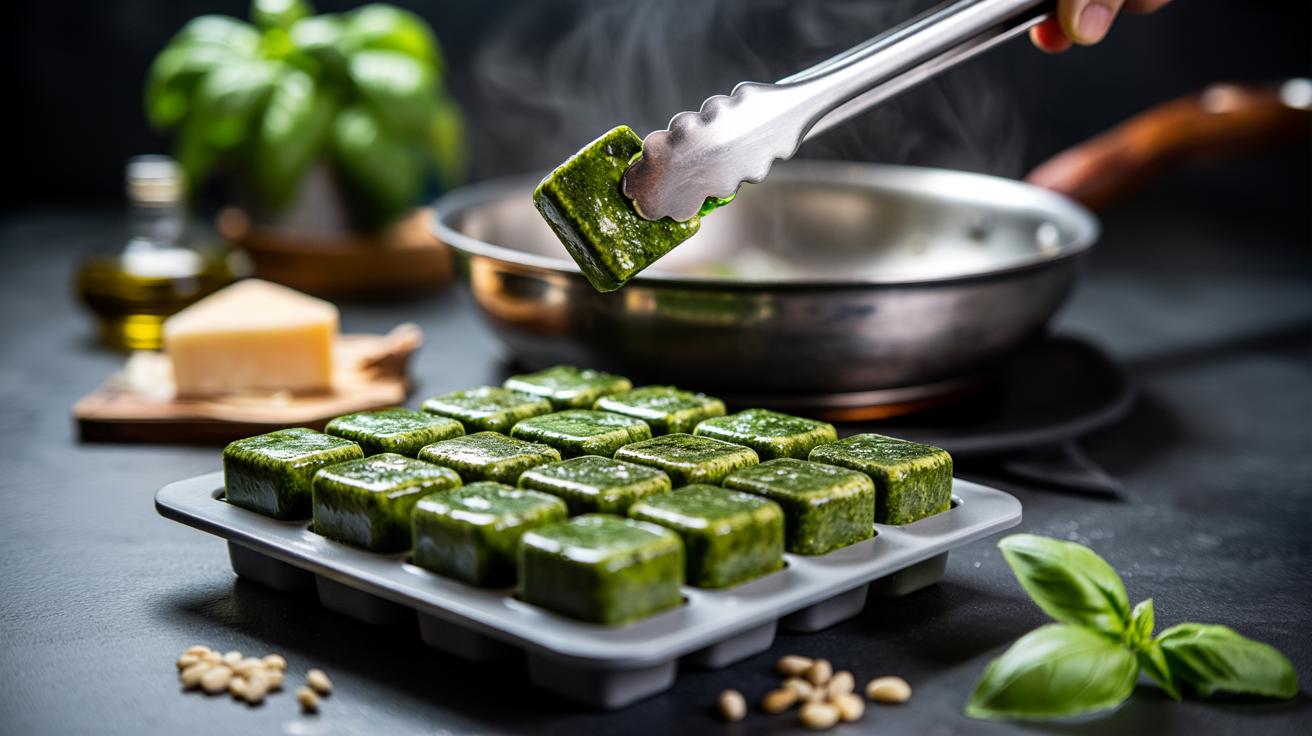
- 🧷 Fill cells with a little headspace, add an olive oil seal, freeze flat 2–4 hours, then bag and label contents, size, and date; use within ~3 months (safe up to 6 if sealed well).
- 🍝 Cook straight from freezer to pan with a splash of pasta water; also spread on sandwiches, finish soups, or glaze roasts; maintain portion control and never refreeze thawed pesto.
- 💷 Enjoy cost savings, vibrant flavour and colour, and real convenience for solo or family meals while significantly reducing food waste.
Home cooks love the flavour burst of fresh pesto, but the jar-or-bust approach often leads to limp herbs and a guilty scrape into the bin. An ordinary ice cube tray solves the problem elegantly: portioned pesto that pops out on demand, pristine and punchy. One cube equals one tidy serving you can cook with tonight or save for weeks. By freezing in small, measured blocks, you protect basil’s emerald colour, lock in aroma, and stop waste forever. It’s thrifty, practical, and a quiet revolution for weeknight cooking. Here’s how those green cubes turn convenience into genuine kitchen craft.
Why Portioning Pesto Works
Pesto deteriorates quickly once exposed to air; oxidation dulls colour and flavour long before the use-by date. Cubing changes the rules. Freezing arrests that decline at its peak, and portioning keeps the rest safely sealed until you need it. Instead of chasing a clock, you control the schedule. The result is consistently vibrant sauce ready to enrich pasta, sandwiches, soups, and dressings. Crucially, you no longer open a jar “for a spoonful” and watch the remainder wilt in the fridge.
There’s a financial dividend too. Basil, pine nuts, and good olive oil aren’t cheap, yet a batch-done-right stretches for months when portioned. One cube weighs roughly 20–30g, making it easy to match recipes and calories without guesswork. Less exposure, less spoilage, and less hesitation translate into confident cooking: add exactly what you need, then return the rest to cryogenic safety. Waste shrinks; satisfaction grows.
Choosing the Right Ice Cube Tray
Not all trays are born equal. Flexible silicone trays make unmoulding pesto effortless, while rigid plastic can crack or trap your cubes. Look for a tight-fitting lid to prevent freezer odour creep and protect the surface from frost. A tray with clearly stated volume per cell—15 ml, 25 ml, or 30 ml—simplifies planning; it’s the quiet difference between guesswork and precision. Shallow, wide cavities freeze faster and keep herbs greener. A darker silicone can also mask stains, though a quick oil rinse before filling minimises discolouration.
Consider your cooking style. If you mainly dress pasta for one, 15–20 ml cubes are ideal. Batch cooks feeding a family might prefer 30–40 ml cells to cut down on popping. Some trays come with measurement lines and stack neatly, letting you dedicate one set to pesto and herb purées and another to stock or coffee. Choose durable, dishwasher-safe trays to keep the routine frictionless.
Freezing and Labeling: A Simple Method
Blend pesto as usual—basil, nuts, garlic, Parmesan, and oil—then spoon into the tray, leaving a tiny headspace. Tap the tray gently to release air pockets. Smooth the tops and add a whisper of olive oil to seal the surface against oxidation. Fit the lid and freeze flat for two to four hours. Label everything: write the contents, cube size, and date on masking tape or an erasable tag. Once rock-solid, decant cubes into a labelled freezer bag to save space and keep trays free for the next batch.
| Cube Size (ml) | Approx. Weight (g) | Best Use | Thaw/Use Time |
|---|---|---|---|
| 15 ml | 12–15 g | Dressings, toasties | 2–3 mins in warm pan |
| 25 ml | 20–25 g | Single-serve pasta | 3–5 mins in sauce |
| 30–40 ml | 25–35 g | Family portions, soups | 5–7 mins simmering |
For best flavour, use within three months, though properly sealed cubes remain good for up to six. Keep cheese notes fresher by stirring in extra Parmesan after warming. Never refreeze thawed pesto; instead, melt only what you’ll use. A tidy freezer log—date, batch, and herb blend—helps you rotate stock and avoid the mystery-cube lottery.
From Freezer to Pan: Cooking With Cubes
The joy of pesto cubes is how seamlessly they join your routine. Slide a cube straight into a warm frying pan with a splash of pasta water, then toss in the noodles. The starch glossy-coats each strand, while the gentle heat preserves basil’s perfume. No microwave, no mess, no dilution. For sandwiches, thaw a cube in a ramekin over the hob’s residual heat and spread liberally. In soups, drop in at the end to keep the flavour bright and the colour luminous.
Experiment beyond pasta. Rub a defrosted cube over chicken before roasting, swirl into a tray of new potatoes, or whisk with lemon juice for a five-second dressing. Dairy-free or nut-free versions freeze just as well; mark them clearly to avoid mix-ups. If cubes cling, run the tray’s underside under cold water, then bend once to release. Portion control keeps salt and calories honest, while dependable flavour beats any emergency jar on the shelf.
Freezing pesto in cubes is the small domestic upgrade that pays out every week: less waste, faster dinners, and flavour that feels like a market-fresh splurge. The method suits busy parents, solo cooks, and anyone guarding a food budget without compromising taste. One tray, one afternoon, months of green gold. With trays now available in measured sizes and odour-proof lids, precision is easy and maintenance minimal. What dish will your first cube transform—silky spaghetti, roasted veg, or a sharp herby dressing that turns leftovers into lunch?
Did you like it?4.5/5 (26)