In a nutshell
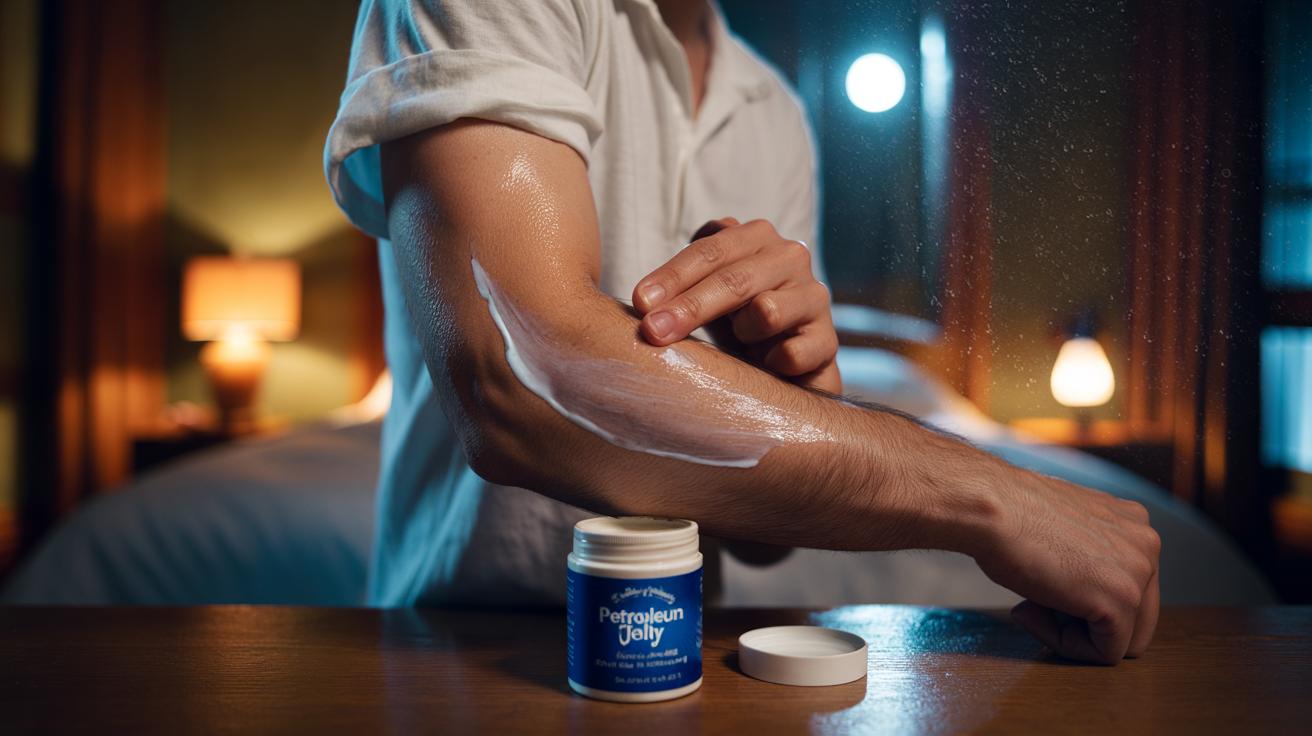
- 🧴 Vaseline slugging on elbows forms a semi-occlusive seal that reduces transepidermal water loss (TEWL), rehydrating the stratum corneum and softening rough, hyperkeratotic skin overnight.
- 🧩 Why it works: Occlusion traps existing moisture, plumps corneocytes, supports barrier enzymes, and boosts humectants/emollients beneath, leading to smoother, less sensitive elbows by morning.
- 🛠️ Routine: Cleanse, apply a humectant (glycerin or low-dose urea 5–10%), then a thin layer of petrolatum; cover with breathable cotton, sleep 6–8 hours, and moisturise in the morning; repeat 2–3 nights weekly.
- ⚠️ Safety: Do not occlude over open wounds, weeping eczema, or infection; patch test strong actives under occlusion; consider dimethicone or lighter layers if prone to folliculitis or if greasiness bothers you.
- 🧪 Smart picks: Petrolatum gives the strongest seal; lanolin, dimethicone, and ceramide balms are alternatives; layer glycerin or urea first and avoid harsh acids to prevent irritation.
Dry, rough elbows are a classic British winter complaint, worsened by hard water, central heating, and constant friction from knitwear and desks. Enter the viral practice of slugging with Vaseline—an old-school remedy repackaged with modern insight. By creating a breathable seal, petrolatum prevents water escaping from skin, allowing the elbow’s tough stratum corneum to rehydrate, loosen, and soften overnight. This is not a trendy miracle; it is basic skin physics used by clinicians for decades. When done correctly, a single night can turn chalky, snag-prone elbows into visibly smoother skin. Here’s how occlusion works, who benefits most, and the precise steps to get results by morning without mess or irritation.
Why Occlusion Works on Stubborn Elbows
The elbow is a high-pressure hinge, prone to hyperkeratosis—thickened, scaly build-up from friction and microtrauma. Water evaporates quickly from this area, a process known as transepidermal water loss (TEWL). Petrolatum, the hero in Vaseline, forms an inert, semi-occlusive film that can reduce TEWL by up to 98%. Occlusion does not add water; it keeps the water you already have locked in long enough for skin to repair itself. That water retention plumps desiccated corneocytes, softens the “glue” between them, and restores the enzymes that trim excess keratin.
As the barrier rehydrates, microfissures close, sensitivity declines, and textures even out. Occlusion also enhances the performance of humectants and emollients beneath it, making a simple formula behave like a far pricier treatment. Crucially, petrolatum is non-comedogenic and chemically inert, reducing the risk of reactions on most skins. The end effect is mechanical: by minimising water loss for several uninterrupted hours, elbows are given time to remodel into a smoother, more flexible surface by morning.
Step-by-Step Nightly Slugging Routine
1) Cleanse with lukewarm water and a mild, fragrance-free wash. Skip scalding showers that strip lipids. Gently pat to leave a whisper of dampness. Apply occlusion on slightly damp skin for best results.
2) Optional boost: smooth on a thin layer of a humectant serum or lotion (glycerin, hyaluronic acid) or a low-strength urea cream (5–10%) for extra softening. Be cautious with acids; under occlusion they act stronger.
3) Seal with a pea- to fingernail-sized amount of Vaseline per elbow. Spread thinly and evenly—grease is not the goal; a light film is. Slip on a breathable cotton sleeve or long-sleeved pyjama top to prevent transfer. Comfortable fabric coverage keeps product in place and protects bedding.
4) Sleep 6–8 hours. In the morning, wipe any residue, cleanse lightly if needed, and apply a non-occlusive moisturiser for daytime. Most people see a visible jump in softness after one night; do it 2–3 times weekly to maintain results without feeling sticky.
Safety, Skin Types, and When to Avoid
Most people tolerate petrolatum well, including sensitive and eczema-prone skin, because it is inert and fragrance-free. That said, do not occlude over open wounds, weeping eczema, or suspected infection; see a GP or pharmacist for care first. Those prone to folliculitis or with very hairy forearms may notice clogged follicles if using thick layers nightly—taper to 1–2 times per week or switch to a lighter occlusive like dimethicone.
If you have a known lanolin sensitivity, avoid lanolin-rich balms. People with diabetes or poor circulation should inspect elbows for unnoticed cracks before occlusion. Avoid pairing strong actives (high-percentage acids or potent retinoids) directly under petrolatum on the first attempt; test on a small patch to gauge response. If redness, stinging, or bumps appear, stop, revert to plain moisturiser, and reintroduce slowly. For most, careful slugging is a low-cost, low-risk intervention with outsized benefits, especially in harsh weather or hard-water regions.
Choosing Products and Smart Combinations
For straightforward slugging, Vaseline (petrolatum) is reliable, cheap, and widely available. To refine feel and performance, pair a humectant and emollient beneath the seal. A simple urea (5–10%) cream loosens rough build-up, while ceramides support barrier lipids. Keep the underlayer simple and fragrance-free to minimise irritation under occlusion. Below is a quick comparison to guide choices:
| Occlusive | Occlusion Level | Pros | Cons | Best Use |
|---|---|---|---|---|
| Petrolatum (Vaseline) | Very high | Inert, cheap, effective overnight | Greasy feel, fabric transfer | Severe dryness, quick softening |
| Lanolin | High | Emollient + occlusive, flexible film | Allergy risk for some | Very rough, flaky patches |
| Dimethicone ointment | Moderate | Lighter feel, less messy | Less dramatic overnight change | Maintenance slugging |
| Ceramide balm | Moderate–high | Barrier-supporting lipids | Costlier | Weekly repair with fewer layers |
Layering tip: apply glycerin or low-dose urea first, then the occlusive. If using lactic acid, try 1–2 nights weekly only. The aim is softening, not exfoliation burn under a seal.
Elbow slugging works because it respects biology: lock in water, allow enzymes to work, then maintain. After one night, the shift in feel is obvious; after a week of sensible use, roughness often fades into memory. The method is accessible, inexpensive, and low effort—ideal for busy routines and cold snaps alike. Consistency beats intensity: thin layers, smart pairings, and breathable fabric are your allies. What’s your plan—will you keep it classic with petrolatum, or test-drive a lighter occlusive and humectant duo to see which pairing delivers your smoothest elbows yet?
Did you like it?4.5/5 (26)