In a nutshell
- 🧪 The peel’s citric acid (AHA) loosens corneodesmosomes for gentle exfoliation, creating a subtly “whiter” look by removing dead skin—not by bleaching; low pH and citrus flavonoids add a minor antioxidant boost.
- 🧦 Method: clean, dry feet; apply a light moisturiser; place a small peel (pith to skin) on calluses; secure with cotton socks; start with 1–3 hours, then rinse, gently pumice, and moisturise; use petroleum jelly as a buffer and avoid drenching with juice.
- ⚠️ Safety first: patch test, avoid use on broken skin, and skip if you have diabetes, neuropathy, poor circulation, or citrus allergy; take care if using retinoids or other acids to prevent cumulative irritation.
- 🔄 Alternatives: regulated AHA foot creams, urea (10–25%) for keratolysis and moisture, and cautious mechanical filing offer more predictable results; balance chemical and mechanical care for the least trauma.
- 🧼 Practicalities: wrap peels in gauze to protect linens, manage scent with a bicarbonate rinse, prefer unwaxed fruit, and keep sessions modest—consistent, gentle care beats aggressive one-offs for smoother, brighter soles.
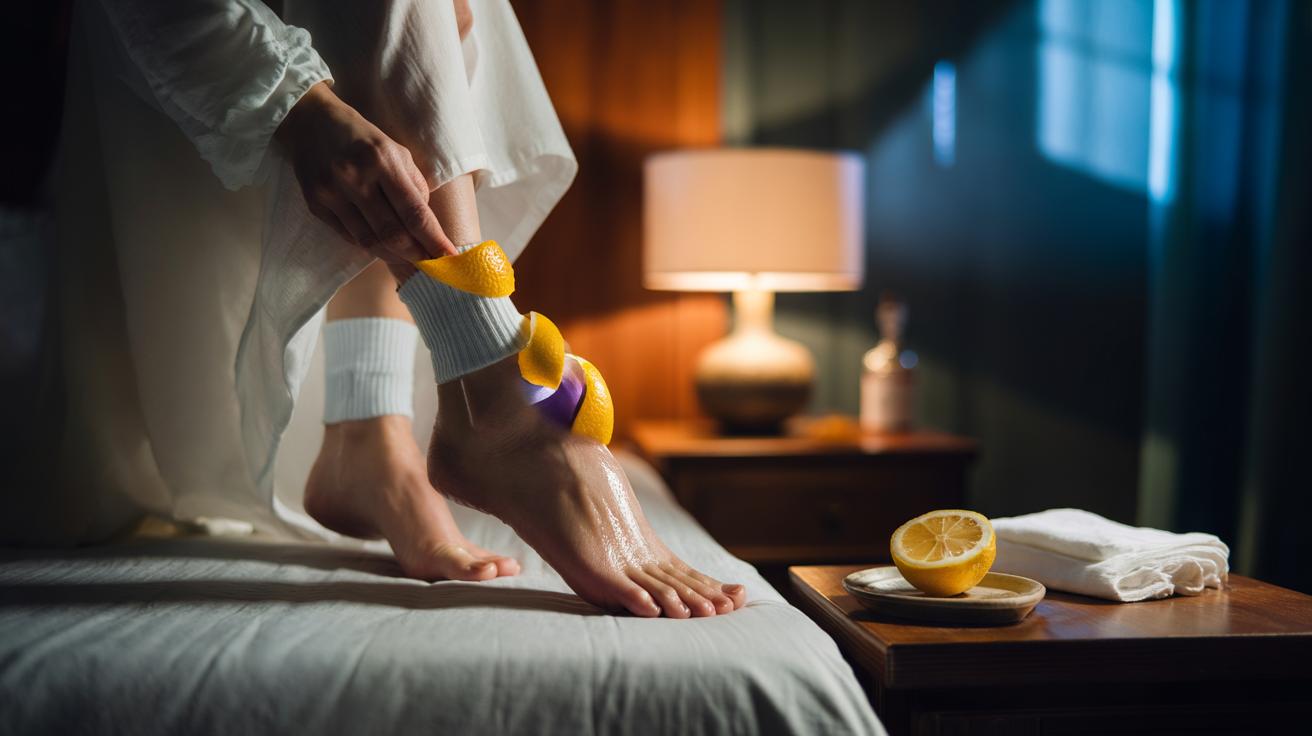
Lemon peels tucked into socks have become a homespun trick for achieving brighter soles by morning. The idea is simple: let the peel’s citric acid sit against dry, discoloured skin overnight to lift dullness and loosen rough patches. Enthusiasts swear by the citrus-sock ritual; sceptics worry about irritation. Between them lies a kernel of science and a few practical rules. The acid in lemon helps dissolve the glue-like bonds that hold dead skin cells together, accelerating natural exfoliation while the peel’s oils offer a brief emollient effect. Here’s how the chemistry works, where caution is warranted, and how to try it without wrecking your feet—or your linens.
How Citric Acid Targets Stains and Calluses
Lemon peel is rich in citric acid, an alpha-hydroxy acid (AHA) that softens the topmost layer of the skin, the stratum corneum. AHAs break down corneodesmosomes—the protein bridges that keep dead cells latched together—so scuffed, yellowed areas lose their grip more quickly. On feet, where thickened skin and minor hyperpigmented patches can accumulate from friction, this mild chemical nudge can yield a subtly whiter, cleaner look. The effect is not bleaching; it is controlled exfoliation. Because citric acid operates best at a low pH, lemon’s natural acidity provides the environment needed to loosen keratin bonds, especially on cracked or chalky heels. Add light overnight pressure from a sock and you improve contact—but too much friction or a soggy occlusive wrap can tip the balance from helpful to harsh.
There is also a modest antioxidant dimension. Citrus peels contain flavonoids that may help mop up free radicals generated by UV exposure and daily wear. While this is not a substitute for sunscreen or clinical treatments, it can complement the superficial brightening from exfoliation. If you see fast, dramatic whitening, suspect over-exfoliation rather than miracles. True pigment lightening takes time; what changes overnight is scale removal and surface optics, not deep melanin.
The Overnight Sock Method, Step by Step
To minimise risk and mess, think measured contact, not a citrus clamp. Start with clean, dry feet. Rub a thin film of a bland moisturiser (such as a light urea or glycerin cream) over intact skin, skipping open cuts. Place a small piece of fresh lemon peel—pith side against the sole—on the toughest area, like a callused heel. Pull on a breathable cotton sock to keep the peel in place. Limit contact to 1–3 hours the first time; only extend toward “overnight” once you know your tolerance. In the morning, rinse, pat dry, and use a gentle pumice or soft file to lift loosened skin.
Two small but crucial tweaks reduce irritation. First, avoid squeezing juice directly onto skin; the peel’s controlled acidity is kinder than a drenching splash. Second, apply petroleum jelly as a barrier around delicate areas like the toes and instep to prevent acid creep. If tingling becomes stinging, remove the peel. Do not use on eczema, athlete’s foot, fissures, or freshly shaved skin. Finish with a soothing, fragrance-free moisturiser to restore lipids after exfoliation, and rotate treatments to no more than two or three nights per week.
Benefits, Limits, and Who Should Avoid It
The chief benefit is superficial exfoliation that makes soles look cleaner and feel smoother without harsh scraping. Some users notice a reduction in dark scuff marks caused by grime lodging in micro-cracks. It is inexpensive, uses kitchen scraps, and—done conservatively—can be folded into a weekly maintenance routine. That said, lemon peel is variable: acidity, oil content, and peel thickness differ by fruit and freshness, so results fluctuate. This is not a clinical depigmenting treatment; stubborn hyperpigmentation from post-inflammatory causes or melasma on the feet requires professional guidance.
Avoid the method if you have diabetes, neuropathy, poor circulation, or a history of contact dermatitis—sensory blunting can mask damage, and healing may be impaired. Those taking isotretinoin, using topical retinoids, or already applying AHAs or salicylic acid should tread carefully to prevent cumulative irritation. People with citrus allergies should skip it altogether. If you prefer predictability, consider regulated AHA foot creams with stated percentages, which allow you to track concentration and exposure more safely than a variable lemon.
Safety Benchmarks and Dermatology Perspective
Dermatology guidance favours consistent formulations, short contact times, and careful barrier support. Below is a quick comparison for context—not a prescription. Patch test any new routine on a small area for 24 hours, and stop if you see redness or blistering. Keep acids away from nails and broken skin; nail plates can become brittle with repeated exposure. If you experience persistent pain, seek advice from a pharmacist or GP. For many, a blend of light chemical exfoliation and mechanical smoothing provides the most even results with the least trauma.
| Option | Acid/Agent | Typical Strength or pH | Suggested Contact Time | Key Risks | Notes |
|---|---|---|---|---|---|
| Lemon peel in sock | Citric acid (AHA) | Low pH (~2–3), variable | 1–3 hrs test; up to overnight if tolerated | Irritation, photosensitivity, dermatitis | Do not use on broken skin; rinse and moisturise |
| AHA foot cream | Lactic/glycolic acid | 5–12% stated | Leave-on as directed | Stinging, over-exfoliation | Predictable formulation, patch test first |
| Urea cream | Urea | 10–25% | Leave-on | Mild irritation | Keratolytic and moisturising |
| Pumice/foot file | Mechanical | N/A | 1–2 mins on damp skin | Microtears if overused | Gentle, steady strokes |
Smell, Stains, and Sustainability: Practical Considerations
Citrus is aromatic, which can be pleasant—until it is not. To keep sheets safe, wrap the peel in a thin layer of gauze before slipping on your sock, and avoid white linens that might pick up oils. The sticky lemon scent dissipates after a wash; add a bicarbonate-of-soda rinse for stubborn odours. Consider sourcing unwaxed, organic fruit if you are sensitive to surface coatings. From a sustainability standpoint, repurposing peel you would otherwise bin is a simple win, but remember: consistency trumps novelty. A small, regular routine beats an aggressive one-off. If you need faster, uniform results ahead of an event, combine a brief peel session with careful pumicing and a rich overnight moisturiser in a clean pair of cotton socks.
Lemon peel in socks is a folk fix with a scientific thread: AHAs loosen dead cells so soles appear cleaner and lighter by morning. Treat it like a mild chemical treatment, not a magic wand, and protect your skin barrier as diligently as you polish it. If you enjoy the ritual and respect the limits, it can fit neatly into a weekly foot-care plan. What balance of chemical and mechanical care keeps your feet at their best—and which small tweak will you try next to perfect your own routine?
Did you like it?4.5/5 (21)