In a nutshell
- ✨ The 10-minute effect comes from albumin protein denaturing and forming a tightening film, delivering a temporary lift that smooths fine lines without rebuilding collagen.
- 🥚 How-to: whisk one egg white, apply a thin coat for 8–10 minutes, rinse, then use a fragrance-free moisturiser; optional add-ins include aloe vera, glycerin, or cornstarch; patch test and limit to 1–2 times weekly.
- ⚠️ Safety first: avoid if you have an egg allergy, keep away from broken skin, mind Salmonella hygiene, skip harsh add-ins (lemon, essential oils), and use broad-spectrum SPF after.
- 🎯 Manage expectations: results last hours, not weeks; for lasting firmness, prioritise retinoids, vitamin C, and daily SPF; modern film-formers like pullulan can mimic the instant effect.
- 🔬 Context matters: it’s an event-day quick fix, while pro options—radiofrequency, ultrasound, microcurrent, and injectables—target deeper change over time.
It’s the sort of thrifty beauty tip that flits from backstage sets to bathroom mirrors: whisk an egg white, paint it on, wait 10 minutes, and watch your face seem to lift. The appeal is obvious—fast, affordable, and a little bit old-school. But beyond the viral allure lies a genuine cosmetic effect rooted in chemistry. As egg white dries, its protein matrix tightens into a translucent film, creating a short-lived but striking smoothing of fine lines. This is a visual, temporary lift—not a replacement for long-term skincare or clinical treatments. Here’s what’s really happening on your skin, how to do it safely at home, and when to skip it.
The Science Behind the 10-Minute Lift
The star of the show is albumin, a water-soluble protein abundant in egg whites. When exposed to air, albumin denatures and rearranges into a tighter network, forming a light, shrink-wrapping film over the skin. As moisture evaporates, that film contracts, creating a noticeable sensation of tautness. The apparent “lifting” is mechanical, not structural: it does not rebuild collagen or reverse sagging, but it can temporarily reduce the look of fine lines and enlarged pores by smoothing the skin’s surface and diffusing light more evenly.
Egg whites also contain lysozyme, an enzyme with mild antibacterial action, and trace minerals. These may assist in leaving the skin feeling cleaner, though the effect should not be oversold. The tightening can slightly reduce surface oil and transiently curb shine, useful before makeup. Yet the same mechanism may accentuate dryness on sensitive complexions. If your skin stings, flushes, or feels overly tight while the mask dries, rinse immediately. Think of the mask as a cosmetic quick fix—handy for camera days or events—rather than a treatment with cumulative results.
How to Make and Apply a 10-Minute Egg White Mask
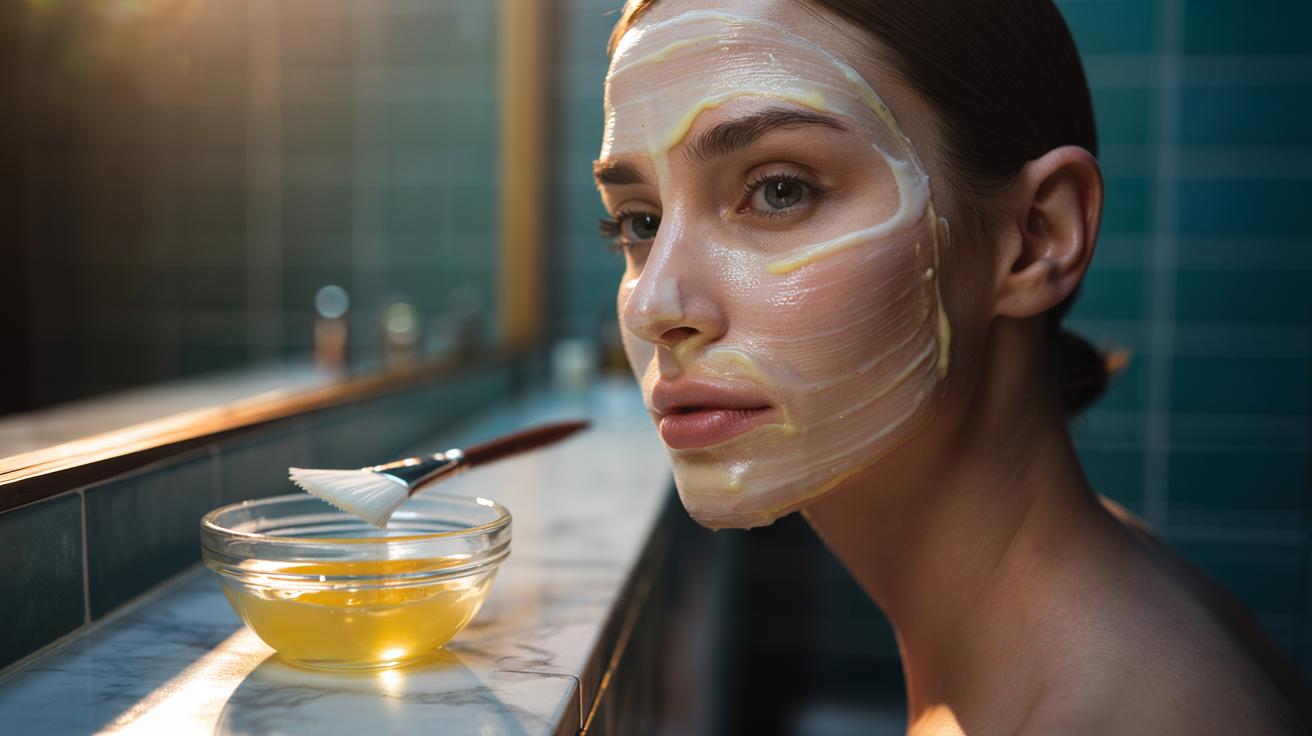
Start with one fresh egg. Crack and separate carefully; place the egg white in a clean bowl and whisk until lightly foamy. On freshly cleansed, dry skin, apply a thin, even coat with a brush or clean fingers, avoiding eyes and lips. Sit still as it dries for 8–10 minutes; smiling or frowning can cause micro-cracking of the film. Rinse with lukewarm water, pat dry, and follow with a fragrance-free moisturiser. Always perform a patch test on the jawline 24 hours beforehand if you have reactive skin. Limit use to 1–2 times a week to prevent dryness.
You can tweak the base to suit your skin. A teaspoon of aloe vera gel softens the finish; a drop of glycerin offsets tightness; a pinch of cornstarch makes the film more uniform for oily T-zones. Skip acidic kitchen add-ins like lemon, which can irritate and destabilise your barrier. Those on retinoids or recent peels should tread carefully, spacing the mask away from active treatment nights.
| Add-in | Why Use It | Notes |
|---|---|---|
| Aloe vera gel | Soothes and reduces tight feel | Look for >95% pure gel |
| Glycerin | Boosts hydration during dry-down | 1–2 drops only to avoid tackiness |
| Cornstarch | Smoother film, oil control | ¼ tsp whisked well to prevent clumps |
Safety, Sensitivities, and Who Should Skip It
Raw eggs carry a small risk of Salmonella contamination. Keep the mask away from broken skin, avoid the nose and mouth, use clean tools, and wash hands thoroughly. People with a known egg allergy should not use this mask—contact with egg proteins can trigger hives or swelling. Those with eczema, rosacea, or very dry skin may find the tightening uncomfortable; consider a gentler hydrating mask instead. If you’re using prescription exfoliants or retinoids, spacing out the egg white mask reduces the risk of barrier irritation.
Hygiene matters. Use a fresh egg each time, mix only what you need, and discard leftovers. Avoid harsh “add-ins” like lemon juice or undiluted essential oils, which can cause photosensitivity or dermatitis. Post-mask, restore balance with a ceramide-rich moisturiser and, during the day, apply broad-spectrum SPF. If you’re acne-prone, note that the film can feel occlusive as it dries; rinse at the first sign of prickling or redness. When in doubt, consult a pharmacist or dermatologist—especially if you have a history of contact allergies.
What Results to Expect and How It Compares to Pro Options
Results are immediate but short-lived. Expect a brief “airbrushed” look, a crisper jawline, and calmer shine that lasts a few hours, depending on humidity and your skin type. The mask does not stimulate collagen or deliver lasting firmness. For long-term tautness, focus on proven actives—retinoids for collagen support, vitamin C for brightening and antioxidant defence, and daily SPF to slow photo-ageing. Film-formers in modern skincare, such as pullulan or certain peptides, can mimic some instant-tightening without the raw-egg drawbacks.
Compare this quick fix with in-clinic treatments: radiofrequency and ultrasound devices target deeper tissues for gradual tightening; microcurrent can sculpt temporarily via muscle stimulation; injectables adjust volume and fine lines rather than “lift” skin outright. Think of the egg white mask as a zero-cost, event-day trick to momentarily refine texture. If you like the look, build a routine that marries instant cosmetics with long-game science—your skin will thank you for the strategy.
Used thoughtfully, an egg white mask can be a clever, budget-friendly way to refresh skin before a big moment, especially when balanced with gentle hydration and sunscreen. Its power is in optics, not in deep remodelling, which is why expectations matter as much as technique. If you try it, keep hygiene tight, patch test first, and pay attention to your barrier. What events—or skin concerns—would you want a quick 10-minute lift for, and how might you pair it with longer-term skincare to maximise results?
Did you like it?4.6/5 (20)