In a nutshell
- 🦟 Mosquitoes track CO₂, lactic acid, and skin microbe volatiles; a dab of vanilla extract acts as scent camouflage, masking human odours rather than repelling outright.
- 🧪 The key molecule vanillin works as a fragrance fixative, enabling odour “overshadowing” and possible receptor interference; effectiveness varies with weather and skin chemistry.
- 🧴 Practical use: dilute pure vanilla extract (1 tsp in 100 ml water), patch test, dab on pulse points or clothing; protection lasts ~30–60 minutes; choose DEET or picaridin in higher-risk settings.
- 🔄 Pros and cons: pleasant, cheap, and accessible but short-lived and inconsistent; combining essential oils with vanillin may extend coverage; consider permethrin-treated clothing when exposure is heavy.
- 📊 Key takeaways: a quick comparison shows vanilla for short masking, oils + vanillin for moderate duration, and DEET/picaridin for robust, multi-hour protection—layer methods according to context.
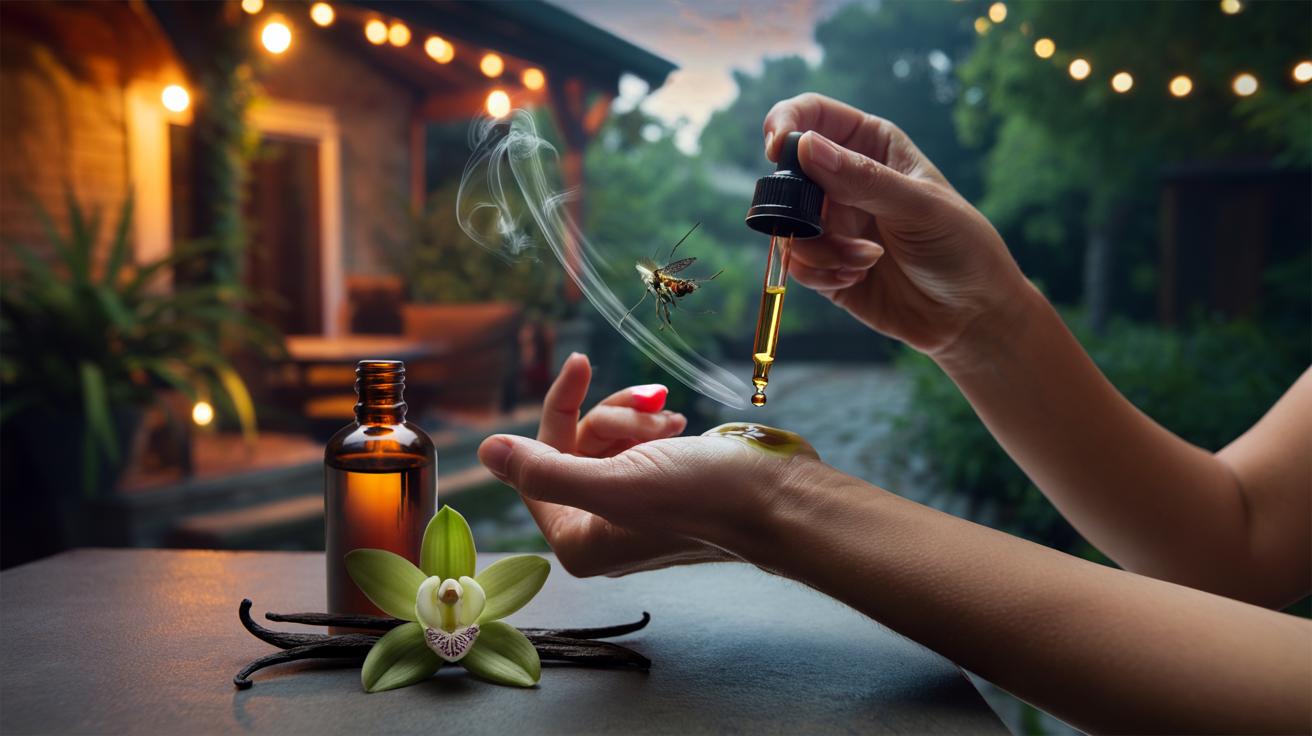
Sweet, familiar, and tucked in most kitchen cupboards, vanilla extract has acquired an unlikely reputation as an off-duty mosquito shield. The idea is simple: a dab of the sugary scent might hide the human signals that biting insects hunt. Scientists have long known mosquitoes track carbon dioxide, lactic acid, and skin microbe volatiles. When those cues are blurred by a powerful background aroma, landing rates can fall. Think of it as scent camouflage rather than armour. Vanilla’s star molecule, vanillin, also acts as a fixative in perfumery, potentially keeping other masking scents around for longer. That all makes vanilla a curious, low-tech tactic for gardens and patios, though not a replacement for proven repellents in high-risk settings.
Why Mosquitoes Home In on Humans
Mosquitoes are guided less by sight and more by smell. They smell us before they see us. Species such as Aedes and Anopheles detect exhaled CO₂ plumes from metres away, then lock on to short-range cues: lactic acid, ammonia, and a bouquet of compounds produced when skin microbes digest sweat. Warmth and moisture seal the deal. The scent map we carry is individual, which explains why some people seem tastier than others. Disrupting this map can make it harder for mosquitoes to make a confident approach. This is the logic behind masking: saturate the immediate airspace with a dominant smell that competes with or overwhelms human odours. Vanilla’s sweet phenolic profile is potent, easy to recognise, and pleasant to people, which is why it has become a popular candidate for casual, short-term cover in gardens, outdoor suppers, and dusk dog walks.
Vanilla, Vanillin, and the Science of Scent Camouflage
Natural vanilla extract is a complex mixture: alcohol, water, and hundreds of aromatics including vanillin, p-hydroxybenzaldehyde, and traces of phenols. The headline act is vanillin, a molecule valued by perfumers as a fixative that slows the evaporation of other scents. In repellent research, vanillin has been shown to extend the longevity of essential oil blends such as citronella and clove by reducing volatility. While pure vanilla extract is not a registered insect repellent, its chemistry makes it a plausible odour mask. A pleasant kitchen aroma can double as an olfactory smokescreen. Two mechanisms are at play: competitive odour “overshadowing,” where a strong non-host scent dominates, and interference at mosquito olfactory receptors, which can muddle the detection of host cues. Results vary with temperature, wind, and an individual’s skin chemistry, which is why some users report clear benefit and others little change.
How to Mix and Apply a Safe Vanilla Dab
For low-stakes evenings, many readers swear by a simple dilution. Use pure vanilla extract (not syrup): mix 1 teaspoon into 100 ml of cool water, shake, and dab lightly on wrists, ankles, and collarbone, or mist onto clothing from a short distance. Always do a small patch test on the inner forearm first and avoid eyes, lips, and broken skin. The scent softens human odours for about 30–60 minutes; reapply if the aroma fades. For a longer-lasting layer, add a few drops of glycerin, which helps the scent cling without feeling greasy. If you prefer fragrance-free skin, apply the solution to hat brims or the outside of cuffs. In areas with mosquito-borne disease risk, switch to a proven active such as DEET or picaridin, and treat this vanilla tactic as a complement for social gardens, not a frontline defence.
Strengths, Limits, and Smart Alternatives
Vanilla’s chief strengths are comfort, cost, and availability. It’s friendly to social noses and unlikely to irritate when properly diluted. The trade-offs are shorter protection time and variable impact in windy conditions or heavy sweat. It masks; it does not deter with the consistency of registered repellents. Pairing vanillin with essential oils like citronella or clove can extend performance, though sensitivity varies and pets may dislike clove. If you’re travelling, camping in midge-thick glens, or out at dawn by water, evidence-backed actives win out. DEET and picaridin offer multi-hour protection, and clothing treatments with permethrin add a useful barrier. For everyday UK patios, the vanilla dab is a charming stopgap that buys time at twilight and smells like pudding rather than a laboratory.
| Option | Active/Key Compound | Mode | Typical Duration | Notes |
|---|---|---|---|---|
| Vanilla extract dab | Vanillin | Odour masking | 30–60 minutes | Pleasant scent; reapply often |
| Essential oils + vanillin | Citronella, clove, vanillin | Mask + mild deterrence | 1–2 hours | Patch test; avoid pets’ exposure to clove |
| DEET (20–50%) | DEET | Repellent | 4–8 hours | Gold standard in high-risk areas |
| Picaridin (20–30%) | Picaridin | Repellent | 4–8 hours | Low odour; fabric-friendly |
Vanilla’s sweet veil will not rewrite entomology, yet it can gently tip the odds in your favour when the sun dips and the midges muster. Keep the tactic in its lane: a comfortable mask for garden parties, not a substitute for certified repellents when disease risk is present. The smartest strategy layers scent masking, protective clothing, and proven chemistry according to context. If you try the vanilla dab, track what works: time of day, reapplication interval, and where you apply it. What blend or routine would you design to keep mosquitoes guessing while keeping your evening plans sweetly on track?
Did you like it?4.4/5 (21)