In a nutshell
- ⚡ The rubber glove trick works via static electricity and the triboelectric effect, letting pet hair leap into clumps in a near one-pass swipe.
- ✋ Technique: ensure seats are dry, wear a textured nitrile or latex glove, prime the charge with light rubs, then sweep slowly in straight lanes and vacuum the gathered piles.
- 🌫️ Conditions matter: high humidity bleeds charge, so dry the cabin first; woven cloth and microfibre excel, while leather benefits mainly at seams; avoid anti-static softeners.
- 🧤 Glove picks: nitrile for durability, latex for grip, silicone for trims; choose a snug fit, ridged palm, and keep the glove clean to maintain charge.
- 🧹 Smart workflow: use the glove to mobilise and corral hair, then vacuum; for stubborn sheds, blend with a pet-hair brush or pumice block, saving lint rollers for delicate areas.
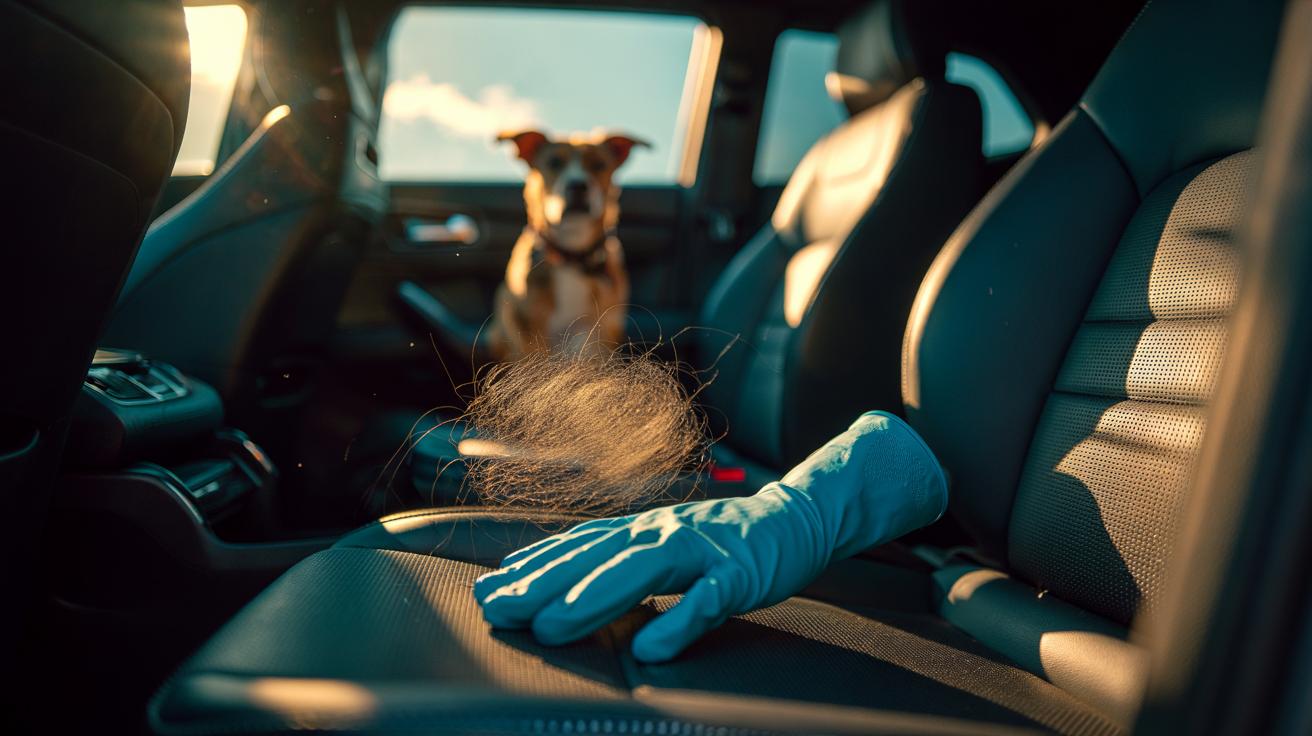
It’s the detailer’s party trick: pull on a rubber glove, swipe the car seat once, and watch a stubborn pelt of dog hair leap into neat clumps. The secret is static electricity, not brute force. Synthetic seat fabrics, pet fur, and rubber all sit at different points on the triboelectric scale; rub them together and charges separate, creating an irresistible attraction. In the right conditions, a single, confident pass can clear an entire bolster. This quick method saves time, keeps lint rollers for last resort touch-ups, and spares the hoover’s nozzle from endless passes. Here’s how the trick works—and how to make it work every time.
Why Rubber Gloves Beat Lint Rollers for Pet Hair
Sticky tapes and lint rollers are convenient, but they’re consumables: every strip costs and they clog quickly on dense shedding. A textured rubber glove converts the surface of your hand into a reusable hair magnet. As you sweep, small arcs of static accumulate between glove and fabric, pulling fibres and fur into visible ropes you can lift in one go. The glove’s flexibility lets you contour into seat bolsters, stitching lines, and the tight gaps where roller handles simply won’t reach. You get speed, control, and a cleaner finish with fewer passes.
Vacuuming remains essential for crumbs and dust, yet pet hair often mats into fabric and resists suction. The glove breaks that bond first. Use the swipe to gather hair into clumps, then vacuum the piles in seconds. Because the glove is washable and tough, it’s ideal for weekly tidies and full valets alike. Think of it as the pre-vac step that turns a chore into a swift routine.
The Science: How Static Electricity Grips Stray Fur
When rubber moves across upholstery, electrons migrate according to the triboelectric effect. Rubber tends to hold a negative charge; keratin-based pet hair and many seat fabrics end up relatively positive. Opposite charges attract, so the hairs are pulled toward the glove and bunch as you drag the charge front along the seat. That’s why one deliberate sweep can shift what a hoover leaves behind.
Humidity is the spoiler. Moist air leaks charge away, reducing the electrostatic pull. If the car’s damp, run the heater with air-con engaged for a few minutes, or crack the doors on a dry breeze. Dry surfaces deliver the dramatic “one-pass” effect; wet or misted fabrics shift the method from static to mere friction.
Fabric type matters too. Woven cloth and microfibre respond brilliantly; Alcantara and velour also oblige with light pressure. Leather doesn’t build much charge, but the textured glove still corrals shed hair from seams and stitching where it collects. For stubborn mixes—short double coats or undercoat fluff—build charge with a brisk primer rub, then make a single slow pass to maintain attraction.
Step-by-Step: The One-Pass Swipe Technique
Prep the space. Remove loose mats and toys, then ensure the seat is dry. Slip on a nitrile or latex glove with a textured palm. Prime the static: rub the glove lightly across the seat in small circles, then lift off to avoid discharging the build-up. The magic lies in a steady, deliberate stroke rather than fast scrubbing. Place your palm flat on the upper backrest, apply gentle pressure, and sweep in a straight line toward the seat base, collecting hair as a moving ridge.
Pause to pinch the clump and pull it free, or funnel it toward an open palm for a quick lift. Work in overlapping lanes, top to bottom, then outwards across bolsters and seams. Maintain contact so the charge front stays coherent and keeps dragging hair forward. Finish by vacuuming the gathered piles and giving a final light pass to catch strays. If charge fades, re-prime with a few brisk rubs and continue.
Common pitfalls are speed and moisture. Rushing creates turbulence that scatters hairs; go slow and smooth. If hands sweat, wear a thin liner or switch to a glove with raised ridges for better airflow. Avoid fabric softeners or anti-static sprays before cleaning: they neutralise charge and blunt the effect.
Choosing the Right Glove and When to Use Alternatives
Any clean, textured rubber glove works, but material and finish change the feel. Nitrile resists tears and allergies; latex offers excellent grip; silicone excels on leather piping and plastic trims. Prioritise a ridged palm, a snug fit, and a thickness that lets you feel contours without tiring your hand. Keep one glove strictly for interiors to avoid oil transfer, and wash it with mild soap so residues don’t smear upholstery or dampen charge.
| Glove Type | Best For | Pros | Watch-outs |
|---|---|---|---|
| Nitrile | Cloth and microfibre seats | Durable, allergy-safe, good texture | Can feel stiff in cold weather |
| Latex | General use | High grip, excellent tactility | Allergy risk; degrades with solvents |
| Silicone | Trims, leather seams | Flexible, easy to clean | Lower static; relies on friction |
If humidity won’t play ball, blend methods: create clumps with a rubber pumice block or a dedicated pet-hair brush, then finish with the glove to sweep the last fibres. Reserve lint rollers for ultra-fine hairs on headlining or delicate fabrics. The goal is always the same: mobilise, corral, remove—quickly and without damage.
The rubber glove swipe is a tiny intervention with outsized impact: a few seconds of charge-building, a confident pass, and the cabin looks freshly detailed. It economises on consumables, shortens vacuum time, and sidesteps the frustration of hairs that bury themselves in fabric. The trick scales, too—great on boot liners, dog blankets, even household sofas. Master the static and you master the mess. What’s your next experiment to make pet-friendly motoring cleaner—different gloves, a pre-warm routine on winter mornings, or a new pattern of passes for your particular seats?
Did you like it?4.5/5 (27)