In a nutshell
- 🔬 Heat unlocks spice oils like cinnamaldehyde and eugenol, boosting vapour release and olfactory masking that distracts from musty or bin odours.
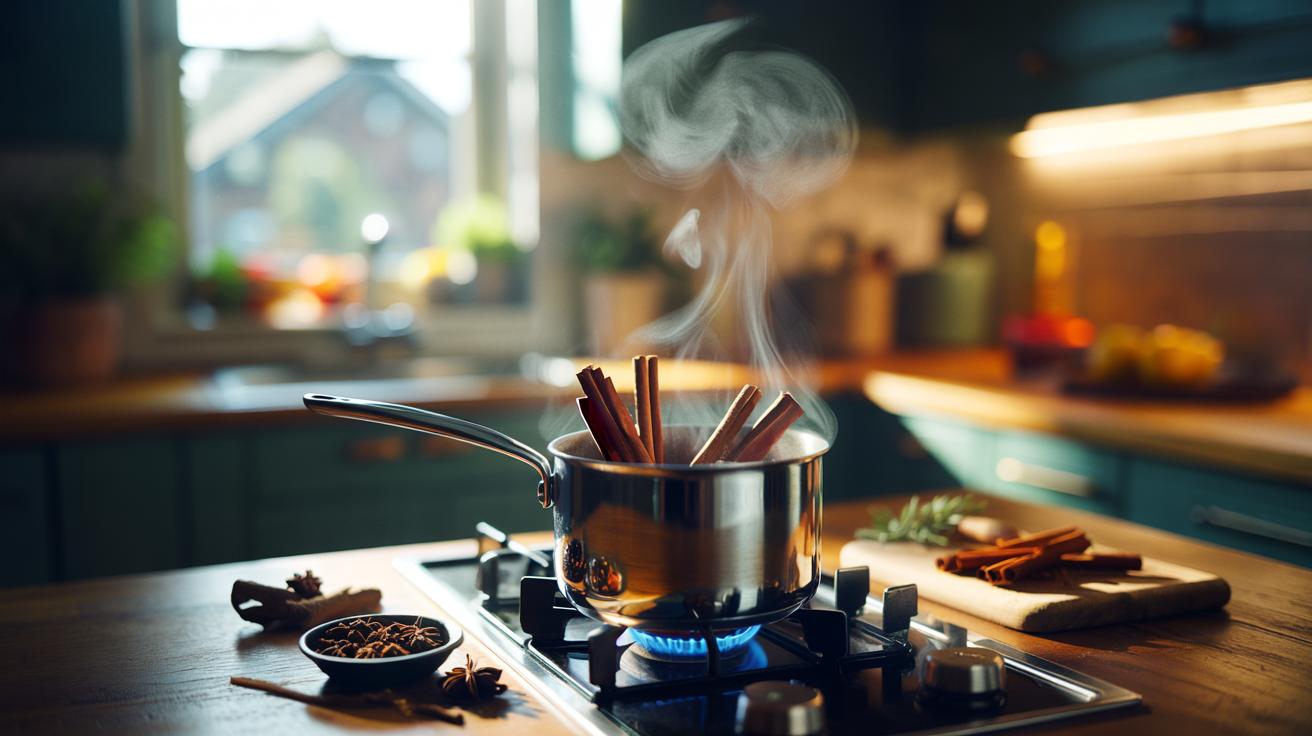
- 🍳 Simmer method: 3–5 cinnamon sticks in ~1L water; break sticks, boil then low simmer 20–45 minutes, top up water, position pan centrally.
- ⚠️ Safety: Never leave the hob unattended, maintain water level, ventilate, and consider fragrance sensitivities; it’s a scent aid, not a substitute for cleaning.
- 🐾 Refreshes stale rooms, pet corners, and post-cooking air; cinnamon’s sweet-woody note plus citrus peel often outcompetes domestic malodours.
- 🌿 Blend smart: base (cinnamon) + accent (clove/star anise) + top (citrus); use whole spices, avoid ground, reuse peels, and let residual heat diffuse.
Open a window and the British weather may do little to banish a stubborn, stale smell. A gentler fix simmers on the hob: a handful of cinnamon sticks in water, releasing a warm, bakery-like cloud that refreshes rooms without chemical sprays. As the water heats, the sticks release volatile aromatic compounds that mingle with indoor air and distract your nose from lingering bin, pet, or musty cupboard odours. It’s quick, inexpensive, and surprisingly effective after cooking or a damp day. Here’s how the cinnamon stick boil works, why spices excel at scenting air, and how to do it safely at home.
The Chemistry of Spices in the Air
Spices bristle with essential oils—complex blends of small, volatile molecules that easily evaporate. In cinnamon, the star is cinnamaldehyde; in clove, it’s eugenol. When heated gently, these compounds gain energy, their vapour pressure rises, and they lift off the surface into room air. Water acts as a courier, carrying the vapours as steam that condenses and disperses. Heat is the catalyst that unlocks aroma from whole spices. Because the molecules are hydrophobic, they cling to tiny airborne particles and furnishings, subtly scenting soft surfaces while the pan simmers.
Odours compete in our noses rather than in the air. The cinnamon plume reaches receptors quickly, crossing the odour threshold earlier than many stale-room chemicals such as amines, aldehydes, and sulfur notes from bins or damp towels. Pleasant, sweet-spicy volatiles bias perception and induce olfactory masking: your brain prioritises the cinnamon signature and tunes down background malodours. Some spice oils also provide mild antimicrobial action on surfaces, but their main effect here is perceptual—creating a warm, familiar headspace that feels newly clean.
A Step-by-Step Cinnamon Stick Boil
Fill a small saucepan with about 1 litre of water. Add 3–5 cinnamon sticks (broken to expose more surface), bring to a boil, then drop to a bare simmer. Within minutes, the room warms with scent; after 20–45 minutes the aroma deepens. Top up water as it evaporates, keeping the sticks covered by at least 2–3 cm. For a brighter lift, add a strip of orange peel or 2 whole cloves; for calmer notes, include a bay leaf. Place the pan centrally or near a doorway so the plume drifts through the flat as air circulates.
Safety and thrift matter. Never leave the hob unattended, and always keep enough water in the pan. Use a wide, shallow pan for faster aroma or a narrow pot for slower, steady release. Try a portable induction hob in a hallway for whole-home diffusion. Switch off and let residual heat continue perfuming to save energy. Old sticks still work, though fresh ones deliver stronger fragrance. When finished, let the liquid cool; it can be reheated once or twice, but discard if cloudy or sour.
Why It Works on Stale Rooms, Bins, and Pet Corners
Mustiness often stems from low-level volatile fatty acids, damp aldehydes, and traces of amines—molecules with sharp, high-impact edges that feel “tired” in the nose. Cinnamon’s sweet-woody profile wraps those edges with a familiar bakery warmth, raising the perceived “cleanliness” of the space. The sweet note of cinnamaldehyde pairs cleverly with limonene from citrus peel, producing a fuller fragrance that outcompetes many domestic malodours. There’s also psychology at play: the scent of spiced kitchens signals comfort, directing attention away from pet baskets or overworked bins.
There are limits. This is a fragrance fix, not a cleaning substitute. If the source is mould growth, smoke residue, or saturated textiles, tackle the cause: wash fabrics, ventilate, and dry thoroughly. Simmer scent works best after basic housekeeping and a quick airing, when odour intensity is low to moderate. Humidity from the pan can briefly help perfume cling but may not suit already damp rooms; keep a window cracked. Use the boil as a finishing touch, not a cover-up for ongoing issues.
Choosing and Combining Spices for Aroma and Effect
Different spices throw different aromatic “shapes.” Cinnamon supplies body; clove adds a spicy backbone; star anise brings lift; cardamom freshens; citrus peel brightens. Blend sparingly—two or three elements prevent muddle and keep the scent transparent. Think in roles: a base (cinnamon), a accent (clove or star anise), and a top (citrus). For post-fry smells, a greener profile with bay and cardamom reads cleaner. For cold, musty rooms, lean richer with cinnamon and a touch of clove. Adjust heat to control intensity and keep the simmer soft, not rolling.
| Spice | Key Volatile | Aroma Note | Best For |
|---|---|---|---|
| Cinnamon stick | cinnamaldehyde | warm, sweet-woody | general mustiness; cosy ambience |
| Clove | eugenol | spicy, slightly medicinal | bin odours; pet corners; post-roast |
| Star anise | anethole | liquorice-bright | fishy after-smells; smoky kitchens |
| Cardamom | 1,8-cineole; terpinyl acetate | fresh, resinous | stale corridors; shoe cupboards |
| Citrus peel | limonene | zesty, sparkling | post-cooking lift; winter stuffiness |
| Bay leaf | eucalyptol | green, camphoraceous | after frying; heavy kitchen air |
Use whole spices where possible; they’re stable and release slowly. Ground spices cloud the water and can singe. Keep combinations simple, test for 10 minutes, then tweak. Scent strength depends on water volume, pan width, and heat. If someone in the home is sensitive to fragrance, run a shorter simmer in a well-ventilated space and avoid clove-heavy blends. For a greener footprint, repurpose citrus peels and switch off early; the pot will still perfume as it cools.
The cinnamon stick boil is an old-fashioned trick with modern merit: it’s low-cost, low-tech, and instantly shifts the emotional feel of a room. When you understand how volatile oils behave, you can tailor heat, water, and spice to the moment—bright on a wet Tuesday, richer after a Sunday roast. Keep it safe, keep it subtle, and let the air breathe again. Which spices will you reach for first, and how will you blend them to suit the season and the smells you face?
Did you like it?4.6/5 (30)