In a nutshell
- 🧪 Activated charcoal works via adsorption, using vast micropores and Van der Waals forces to trap sulphur and amine odours; cooler fridge temps aid capture while excess moisture can clog pores.
- 🌬️ Optimal placement is in moving airflow—near (but not blocking) rear/top vents, on a central shelf, and in hotspots like crisper drawers or the door; give bags 360° exposure and keep them off damp walls.
- 📏 Get the sizing right: use roughly 50–100 g per 100 L of fridge volume; deploy 2–3 smaller bags across zones, choose coconut- or bamboo-based carbon, and avoid perfumed pouches that only mask smells.
- ♻️ Routine maintenance matters: regenerate monthly in sunlight or in the oven at 100–110°C for 45–60 minutes, cool fully before returning, and replace worn or dusty pouches after 6–12 months.
- 🛡️ Practical hygiene: charcoal neutralises odours—not bacteria—so still cover leftovers, wipe spills promptly, keep bags dry and breathable, and store safely away from children and pets.
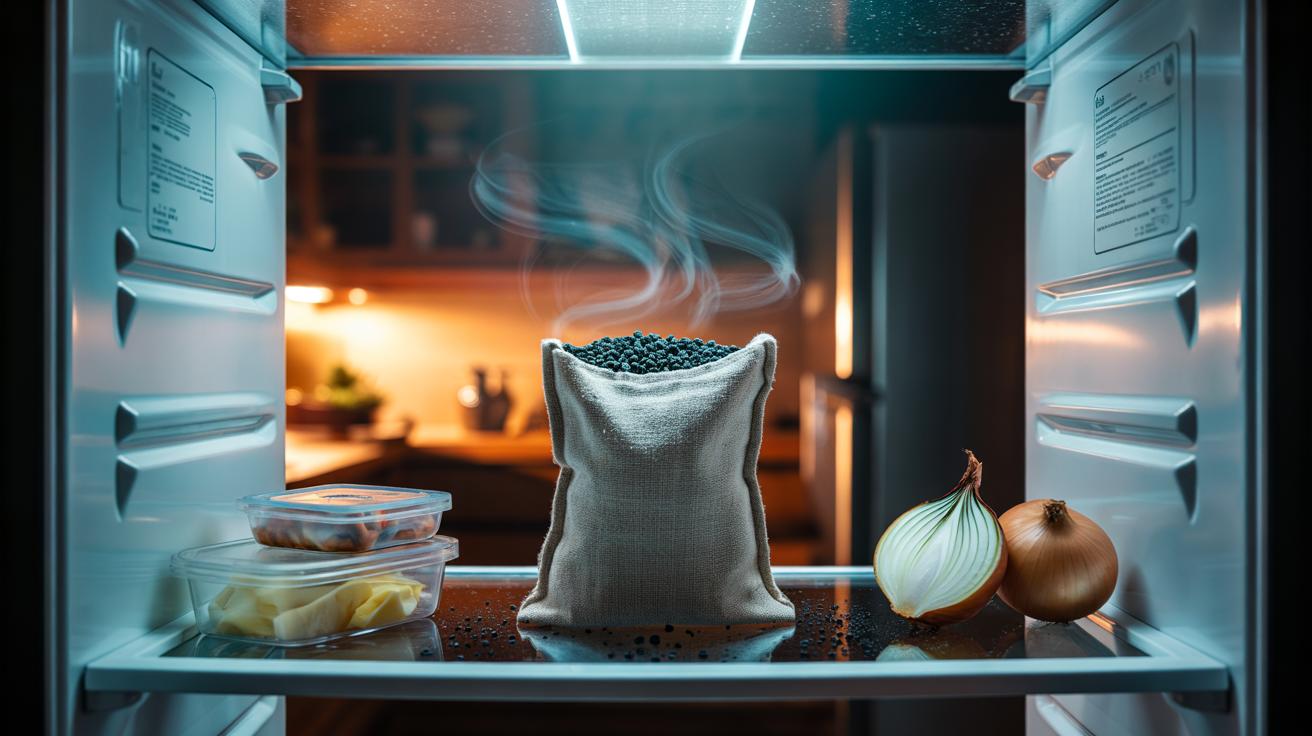
Open your fridge and you’ll often meet a fug of mingled meals: onion from last night’s curry, fish from Friday, a whiff of cheese on the turn. A simple, inexpensive fix is a charcoal bag, but its performance depends on where you place it. Get the position right and the porous material will quietly trap smells before they spread; get it wrong and it sits there doing little. This guide explains the science of adsorption in cold, humid conditions and shows the smart spots to deploy charcoal in a busy British kitchen. A little knowledge about airflow and moisture goes a long way to restoring genuinely fresher storage.
Why Charcoal Bags Work in the Fridge
Activated charcoal is carbon processed to create vast micropores—tunnels so small they corral odour molecules, from sulphur compounds in onions to amines from fish. Unlike absorption, which soaks up liquids, adsorption draws gases and vapours onto surfaces via weak Van der Waals forces. A single gram can present 800–1,200 m² of surface area, giving remarkable capacity in a compact sachet. Cooler temperatures in a fridge help many compounds settle on carbon, boosting efficiency without any added chemicals.
Moisture matters. Water competes for pore space, yet a balanced level assists by ferrying volatile organic compounds to the carbon. That’s why placement is critical: the bag should sit in moving air, not pressed against a damp wall. When a charcoal bag can “breathe” on all sides, its porous network captures more odours, faster. Remember, carbon removes smells; it doesn’t sterilise. Strong odour sources still benefit from being sealed or covered.
Best Placement for Maximum Odour Control
Fridges rely on a circulation loop between vents, shelves and drawers. The sweet spot is where air passes frequently: near, but not blocking, the internal fan or return vents, typically at the rear or top. Place a breathable charcoal bag with 360° exposure—never wedged behind jars or against the back wall. Use two or three smaller bags rather than a single bulky one so each can intercept air flows across different zones. One bag on a central shelf handles general odours; another in the cheese or leftovers zone neutralises specific offenders.
Target hotspots. The fish shelf, a pungent cheese box, or a crisper brimming with brassicas merit dedicated carbon. Keep the bag off wet surfaces and away from spills to stop pores clogging prematurely. Door compartments face warm air with every opening; a slim sachet there cushions sudden whiffs. Rule of thumb: one 50–100 g bag per 100 litres of fridge volume, spaced so none obstruct vents.
| Location | Why It Works | Practical Tip |
|---|---|---|
| Near rear/top air return | Captures odours in moving air | Keep 2–3 cm clear from the vent |
| Central shelf, mid-depth | Intersects general circulation | Use a mesh or linen pouch for airflow |
| Crisper drawer | Controls veg sulphur notes | Place on a dry tray to avoid condensation |
| Door compartment | Buffers frequent warm-air bursts | Choose a slim, sealed-dust sachet |
Choosing the Right Bag and Sizing for Your Fridge
Look for activated charcoal made from coconut shell or bamboo; both deliver high surface area, but coconut-derived carbon often shows tighter micropore distribution ideal for small odour molecules. Granular fill in a woven or linen pouch balances durability and breathability. Avoid perfumed variants—fragrance masks rather than removes smells. The hallmark of quality is plain, inert carbon with a breathable, food-safe pouch. For compact fridges, a 100–150 g bag suffices; family-sized units benefit from 200–300 g distributed in two or three pouches.
Right-size by capacity: allocate 50–100 g per 100 litres as a starting point, adjusting for cooking habits. Fish lovers or cheese enthusiasts may need the higher end of the range or an extra bag in the problem zone. Baking soda still helps, but charcoal is faster on pungent sulphur and amine compounds. Choose resealable bags if you plan to recharge them, as sturdier stitching stands up to repeated use.
Maintenance and Regeneration for Lasting Freshness
As pores fill, performance tapers. Restore capacity by driving off adsorbed vapours. In summer, place the bag in direct sunlight for 2–3 hours; warmth and dry air purge the carbon. UK weather not playing ball? Oven-regenerate at 100–110°C for 45–60 minutes on a clean tray. Regenerate monthly, or immediately after a strong-spill incident, to keep adsorption brisk. Let the bag cool fully before returning it to the fridge to avoid condensation.
Inspect the pouch for damp spots or frayed seams; replace if fabric degrades or charcoal dust escapes. Most quality bags last 6–12 months with regular recharging. Do not wash with soap—it clogs pores. Keep charcoal out of reach of children and pets, and never open the pouch near food. If you need to retire a bag, check the manufacturer’s guidance; some use natural fabrics suitable for household waste, while others mix synthetics that are not compostable. Consistency beats quantity when it comes to maintenance.
A well-placed, well-sized charcoal bag harnesses the quiet power of porous carbon to tame fridge odours at their source. By positioning in live airflow, keeping pouches dry and breathable, and recharging on a simple monthly rhythm, you turn a low‑cost sachet into a reliable freshness engine. You’ll still want lids on leftovers and clean shelves, but the right carbon in the right spot changes the daily experience every time the door opens. How will you map your fridge’s airflow and hot spots to decide where your first charcoal bag should sit—and what will you notice after a week?
Did you like it?4.4/5 (26)