In a nutshell
- 🧪 The science: activated carbon works by adsorption (not absorption), using vast micropores to trap sulphur compounds, amines, and VOCs without adding fragrance.
- 🧊 Choosing and placing: Pick a food-safe bamboo or coconut-shell charcoal bag (100–200 g for most fridges), keep it dry, avoid scented additives, and place near vents or odour hotspots.
- ♻️ Longevity: Expect 2–3 months between refreshes; recharge in sunlight and reuse for 12–24 months, then sprinkle spent carbon into houseplants to improve soil.
- ⚖️ Comparison: Activated charcoal captures a broader range of smells and is reusable (£6–£15), while baking soda is cheap but limited and odour gels tend to mask scents and require frequent replacements.
- 📌 Practical cues: It’s time to replace when odours rebound quickly and recharge intervals shrink; choose breathable fabric and avoid ovens or microwaves that can damage the pouch.
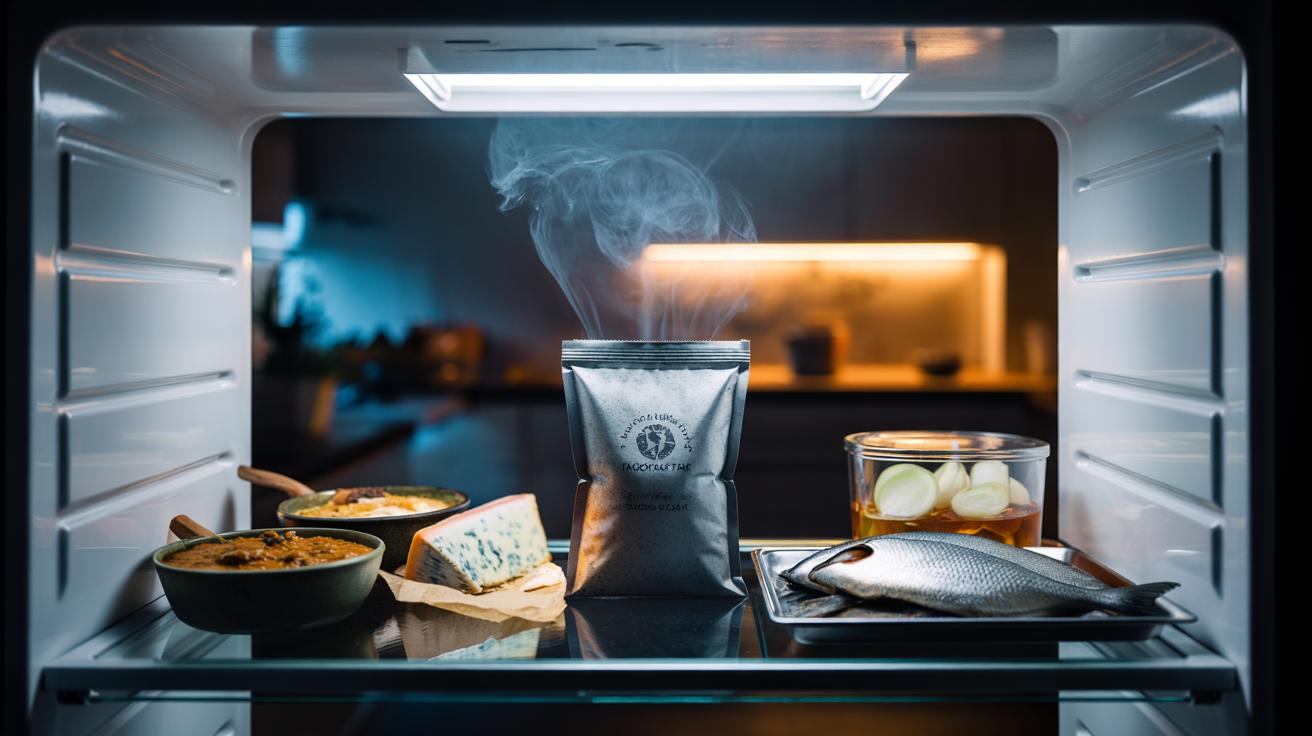
Open a crowded fridge and you’re often greeted by a confusing blend of leftovers, cheese rinds, and last night’s curry. A simple charcoal bag promises an elegant fix: it quietly captures odours for months, without chemicals or perfume. Unlike sprays that mask smells, activated carbon draws in the tiny molecules that make your eyes water and your appetite wobble. Pop a pouch on a shelf, leave it to work, and your groceries taste as they should. This is a passive, low-cost way to keep food aromas in their place and your fridge pleasantly neutral. Here’s the science, the practical tips, and the comparisons that matter.
How Activated Carbon Stops Fridge Odours
The magic is adsorption, not absorption. Activated carbon is riddled with micropores and mesopores, creating a mind-bending surface area — often over 1,000 m² per gram. Odour molecules such as sulphur compounds, amines from fish, and certain volatile organic compounds (VOCs) wander through the fabric and become trapped on those internal surfaces via weak electrostatic attractions and van der Waals forces. The result is a steady, silent clean-up that doesn’t add fragrance or moisture.
Fridges help the process along. Air circulates as doors open and close, and the relatively low humidity keeps the carbon effective. Because it captures odour molecules rather than masking them, a good charcoal bag can keep a family fridge smelling fresh for months. Look for breathable outer fabric, so air reaches the pores. The technology is simple, but the geometry — countless tiny cavities — is what does the heavy lifting.
Choosing and Using a Charcoal Bag
Not all pouches are equal. Pick a food-safe bag made with activated bamboo or coconut-shell carbon; both offer high porosity, but coconut-shell variants often excel at trapping smaller VOCs. Aim for 100–200 g for an average fridge; a 50 g mini pouch suits a compact larder or cheese drawer. Ensure the weave is sturdy yet breathable. Avoid scented additives — you’re after clean air, not a perfume cloud that mingles with your Stilton.
Placement matters. Put the bag near a vent or at the back where airflow is strongest, away from spills. If your fridge has aromatic culprits — fish, onions, strong cheeses — place the pouch on the same shelf. Keep the exterior dry and wipe condensation from nearby walls. Do not slit the bag; the fine granules must stay contained to prevent dust and reduced performance. One bag per compartment is a simple rule for large appliances or American-style fridge freezers.
How Long It Lasts and How to Recharge
Expect two to three months of strong performance before a refresh. Many manufacturers suggest “recharging” the pouch in sunlight for a few hours. The gentle warmth and UV exposure help release trapped molecules from the carbon’s surface, restoring capacity. In the UK, a bright window or a sheltered spot outdoors on a dry day usually suffices. If winter weather is uncooperative, use a warm, ventilated spot indoors; avoid direct high heat.
Always follow the maker’s guidance. Ovens and microwaves can damage stitching or overheat the carbon, so treat those methods with caution. After multiple cycles, capacity gradually declines; most bags last 12–24 months. When retired, the contents can be sprinkled into houseplant soil to improve aeration. Signs it’s spent include odours returning quickly and shorter intervals between recharges. It’s a low-maintenance tool: reset, replace when needed, and let physics do the work.
Charcoal vs Baking Soda vs Odour Gels
Each option tackles smells differently. Baking soda neutralises acidic odours but struggles with diverse VOCs and needs regular stirring or replacement. Odour-absorbing gels often rely on moisture and fragrance, which can mask more than they capture and add ongoing costs. Activated charcoal targets a wider spectrum of molecules, works without scent, and is reusable. The table below summarises the trade-offs for a typical UK household.
| Method | What It Targets | Lifespan per Unit | Maintenance | Typical Cost (UK) |
|---|---|---|---|---|
| Activated Charcoal Bag | Broad VOCs, sulphur, amines | 12–24 months (with recharges) | Sunlight recharge every 1–3 months | £6–£15 |
| Baking Soda (Bicarb) | Acidic odours, limited VOCs | 1–3 months | Stir/replace regularly | £1–£3 |
| Odour Gels/Beads | Masking + some absorption | 1–2 months | Replace when dried | £3–£8 |
If you want neutral air without added fragrance, charcoal is the clear winner. It’s reusable, silent, and tidy. Gels suit those who prefer a scent; bicarbonate is cheap but limited. For busy families, the “set and forget” nature of a charcoal pouch is hard to beat.
For many UK kitchens, a charcoal bag in the fridge is a modest purchase with outsized impact: cleaner air, truer flavours, and fewer awkward whiffs when you open the door. The science is settled — adsorption beats masking — and the routine is gentler on your wallet and the planet. If you try one, note how it handles your strongest weekly offenders, from fish pie to kimchi. What combination of size, placement, and recharge routine will make your own fridge feel freshly aired every single day?
Did you like it?4.5/5 (20)