In a nutshell
- 🧪 Blisters start when friction and shear build on stiff, new shoes; a small amount of Vaseline on day one lowers the skin–fabric coefficient of friction and stops hotspots forming.
- 🛡️ Vaseline acts as an occlusive barrier, smoothing micro-roughness, reducing heat and tearing, and keeping skin pliable so it resists damage.
- 🧭 Apply with precision: clean, dry heels; a pea-sized, thin layer; secure with moisture-wicking socks; reapply every 3–4 hours; avoid over-lubrication and never use on open skin.
- 🧰 Use alternatives when needed: silicone balm for long wear, hydrocolloid patches for hotspots, and powders for humidity; pair with good fit and moisture-wicking socks, and avoid cotton.
- 📊 A quick comparison shows methods, mechanisms, best uses, and drawbacks—choose based on distance, sweat rate, and shoe fit for reliable day-one comfort.
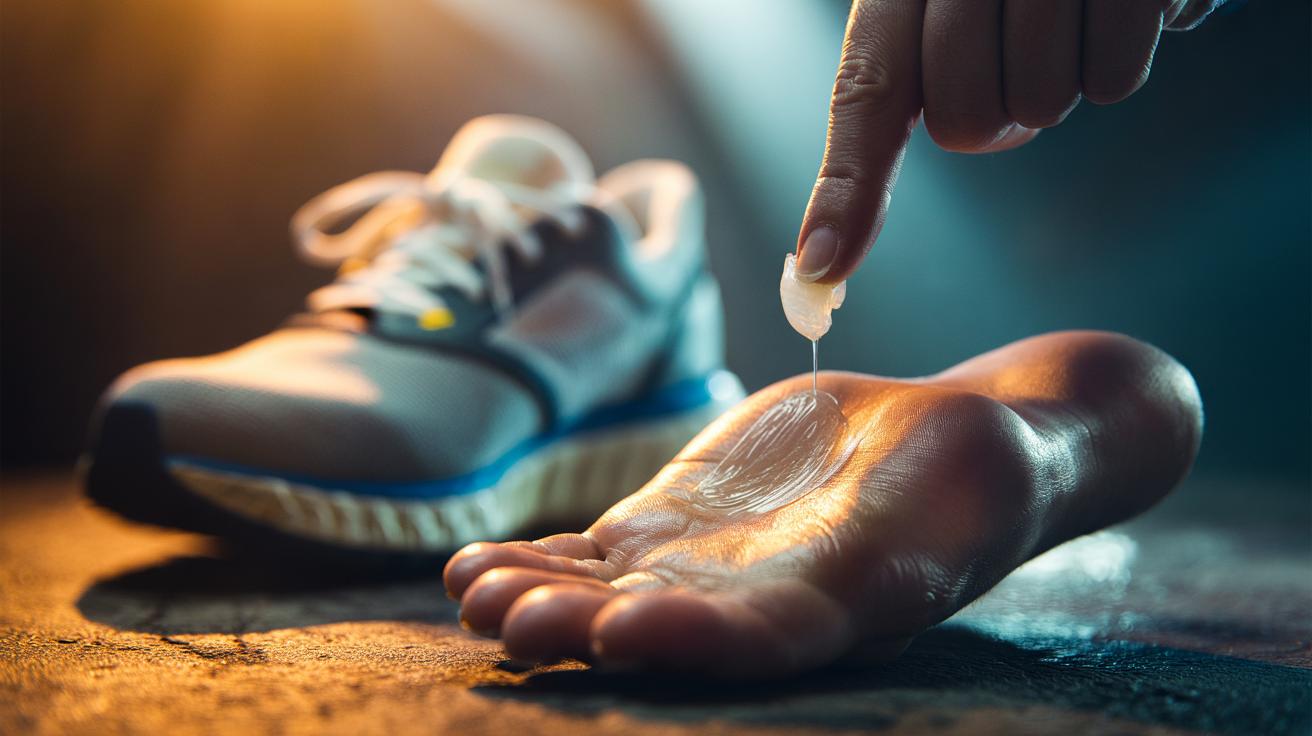
New shoes, long commutes, or a sudden hike can turn your first day in fresh footwear into a blister lottery. The quickest defence at home is surprisingly simple: a fingertip of Vaseline on the heel. By reducing friction where skin rubs, it halts the chain reaction that leads to raw hotspots. Apply early, and you can stop a blister before it begins. As a practical, low-cost fix, petroleum jelly creates a slick, protective layer that helps your heel glide rather than grate. Here’s how it works from a science and street-level perspective, and how to use it safely for immediate, day-one comfort.
Why Friction Breeds Blisters on Day One
Your heel endures repetitive rubbing where shoe lining, sock fibres, and damp skin meet. That micro-rubbing produces heat and shear forces that separate the upper layers of skin, allowing fluid to pool and form a blister. Day one is risky because materials are still stiff, your stride adapts, and sweat has yet to mellow the contact points. New shoe stiffness plus moisture is the perfect storm for skin breakdown. Even a short walk can create a hotspot if the heel counter bites or your sock bunches. Once the epidermis lifts, pain quickly escalates, pushing you into an awkward gait that strains knees and hips.
Moisture matters. Humid skin increases the coefficient of friction, while dry-but-rough surfaces grab at fibres. Temperature swings inside a shoe amplify both effects. The result is high shear on the heel’s bony ridge and Achilles insert, especially in trainers and boots. Interrupt the rub, and you interrupt the blister.
How Vaseline Creates a Low-Friction Barrier
Vaseline (petrolatum) is an occlusive that sits on the surface of skin, forming a thin, semi-occlusive film. That film lowers the skin–fabric coefficient of friction so your heel slides smoothly rather than drags. By evening out micro-roughness and filling tiny gaps, it spreads contact forces and reduces shear. The result is less heat, less tearing, and no fluid pocket forming beneath the skin. It also slows transepidermal water loss, keeping the stratum corneum pliable, which resists cracking under load. Used sparingly, it prevents sock fibres from gripping without making your foot swim inside the shoe.
Think of it as a dynamic buffer: the jelly moves with each step, lubricating high-pressure zones like the posterior heel, lateral collar, and Achilles. Friction drops, and the hotspot never gathers enough momentum to blister. For most people, that’s effective from the first minute of wear.
Step-by-Step Application for Immediate Relief
Start with clean, dry feet. Dab a pea-sized amount of Vaseline on each heel, focusing on the exact spot where rubbing starts. Spread a thin film—shiny but not greasy—over the back of the heel and slightly up the Achilles. Thin layers work better than gobs. Pull on snug, moisture-wicking socks to hold the lubricant in place and prevent slip inside the shoe. If your shoe lining is rough, apply a second micro-layer after the sock at the hotspot only.
Reapply every 3–4 hours for long days, or after heavy sweating. For races or hikes, prep during training to find the right amount. Avoid coating the entire foot; keep toes and forefoot dry to preserve traction. Do not apply to open skin. If you feel warmth or a hot spot mid-walk, pause and add a pinpoint layer immediately—early intervention often saves the day.
When to Use Alternatives and What to Avoid
Petroleum jelly excels for day-one breaks in, commutes, and short runs. If you need longer wear or prefer a drier feel, consider silicone-based anti-friction balms or hydrocolloid patches for pre-existing hotspots. Choose the method that matches distance, sweat rate, and shoe fit. Pair any option with well-fitted footwear and seamless, synthetic or merino socks. Skip cotton, which traps moisture and raises friction. If you have diabetes or neuropathy, prioritise blister prevention with structured insoles and regular checks, and consult a clinician for persistent rubbing.
Avoid slathering; over-lubrication can cause heel lift and new rub points. Never apply petrolatum under plasters that need adhesive grip. If skin looks pale and soggy, reduce frequency to prevent maceration. Keep an eye on stitching, heel counters, and sock wear—addressing the root cause preserves comfort and reduces the need for constant reapplication.
| Method | Mechanism | Best For | Drawbacks |
|---|---|---|---|
| Vaseline | Lubricates; lowers skin–fabric friction | Day-one wear, short to medium outings | Needs reapplication; can feel greasy |
| Silicone balm | Dry, durable slip layer | Long runs, hot weather | Costlier; may build up on fabric |
| Hydrocolloid patch | Cushions; redistributes shear | Hotspots and tender skin | Adhesive may lift with heavy sweat |
| Powder | Moisture control; reduces tack | Humid days, mild rubbing | Short-lived; messy in shoes |
Used with a smart sock choice and decent fit, a fingertip of Vaseline can turn a blister-prone first day into a non-event. The trick is precision: target the rub, keep layers thin, and reapply before discomfort returns. If hotspots persist, upgrade to a longer-lasting balm or add a protective patch while you address the shoe’s pressure points. That blend of quick fix and prevention keeps you moving without the sting. Where does your heel tend to rub most, and which combo—lubricant, sock, or patch—will you try on your next day-one outing?
Did you like it?4.6/5 (30)