In a nutshell
- 🌙 The core mechanism is auditory masking: steady nature sounds raise the acoustic floor, blunt sudden peaks, increase the arousal threshold, and reduce micro‑awakenings for deeper, more consolidated sleep.
- 🎧 Build the playlist intentionally: start with gentle wind/surf, settle into rain on leaves or a brook, then lighten towards dawn; use seamless loops and slow crossfades, avoid sharp transients, and keep levels at roughly 35–50 dB(A)—aim for veil, not volume.
- 🌊 Choose textures by spectrum: pink noise for warm masking, ocean surf for low‑mid cadence, rain to hide treble clinks, brook for conversational murmur, and low, crack‑free distant thunder for depth; layer sounds and prioritise high‑quality files to avoid digital harshness.
- 🛠️ Practical setup matters: place a small speaker 1–2 m away for diffuse sound, set a 60–90 minute fade‑out, avoid all‑night earbuds, pair audio with basic sleep hygiene, and carry your mix when travelling; earplugs can complement masking in noisy areas.
- 👂 Personalise thoughtfully: for tinnitus, add a gentle high‑frequency shimmer over a low bed; shift workers may prefer darker textures; parents benefit from re‑masking rain; calibrate with an SPL meter, keep under ~50 dB(A), use mild EQ (tame 3–6 kHz), and tweak seasonally.
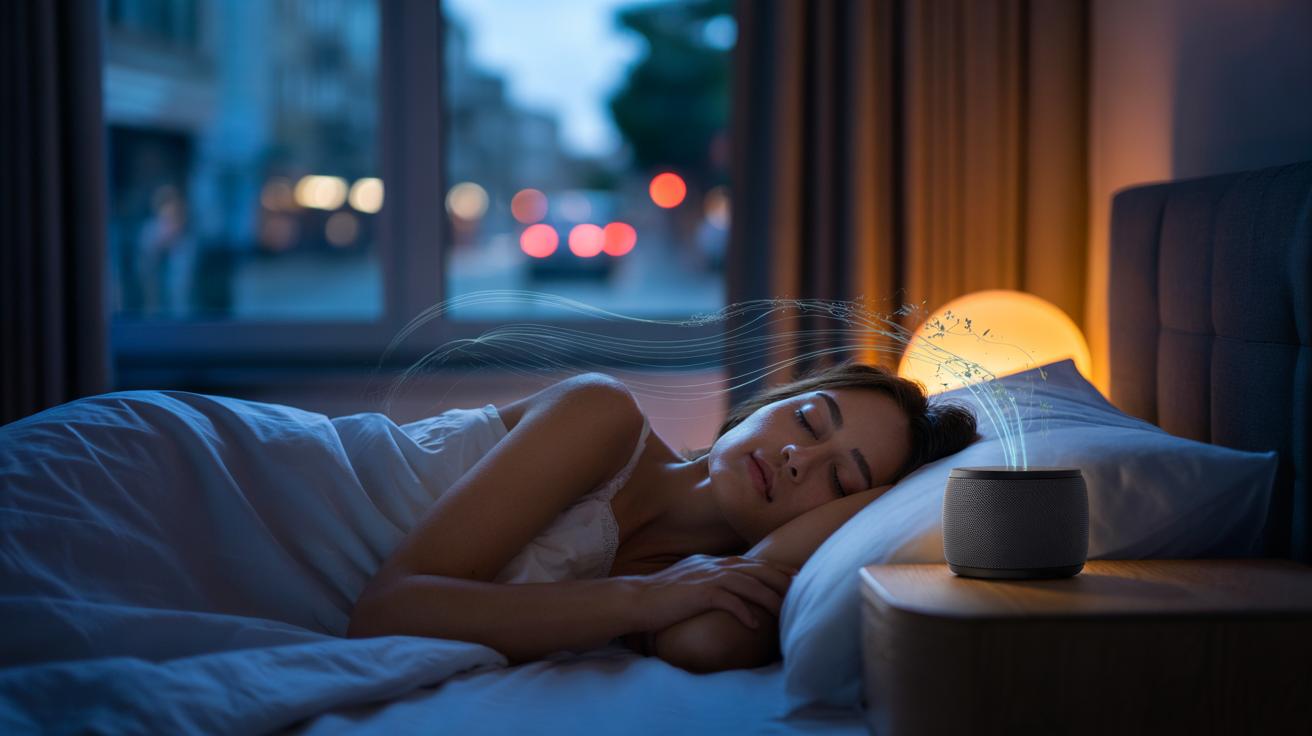
British nights are rarely silent. From taxis rattling past terraced houses to foxes arguing outside the window, tiny interruptions creep into the bedroom and tug at attention just as the body drifts off. A carefully curated nature sound playlist can turn that chaos into calm, deepening rest by smoothing the acoustic environment. Consistent, low-level ambience masks peaks and helps the brain ignore trivia. Think of it as acoustic wallpaper: unobtrusive, natural, and designed to steady breathing and settle thoughts. With the right textures—rain, surf, a soft breeze—these ambient noises can increase the arousal threshold, reduce micro-awakenings, and support more stable sleep cycles without feeling clinical or artificial.
The Science of Auditory Masking
At the heart of this approach lies auditory masking: a constant, gentle sound makes it harder for abrupt noises—doors, sirens, a boiler firing—to stand out. The brain’s salience detector prioritises change; steady backgrounds reduce contrast, so a passing lorry blends into the wash rather than jolting you awake. When the acoustic floor is raised slightly and consistently, spikes carry less significance. Nature sounds do this elegantly because they mimic environments our nervous system recognises as non-threatening: wind through leaves, distant surf, rainfall on a tent. These textures promote relaxed breathing rhythms, nudging the body towards quieter heart rates.
Different spectra play different roles. Pink noise—with more energy in lower frequencies—sounds softer than stark white noise and is often perceived as warmer. Low-mid energy (around 100–500 Hz) can soothe, while carefully filtered high frequencies help cover sudden treble intrusions such as clinks and coughs. The aim is not volume, but veil. By preventing intermittent intrusions from grabbing cortical attention, these sounds are associated with more consolidated sleep and fewer brief awakenings, crucial for reaching deep, restorative stages without drama.
Building a Nature Sound Playlist
A strong playlist moves like a tide. Start with a gentle wind or distant surf to settle pre-sleep nerves, glide into rain on leaves or a soft brook for the first sleep cycle, and end with an even lighter texture to avoid rousing you as dawn nears. Avoid sharp transients—no cracking thunder, no shrill birdsong at 4am. Keep tracks free of melody to prevent the brain from anticipating phrases. Aim for seamless loops with slow crossfades, set to 40–50 dB(A) at the pillow—quiet conversation level or lower. Longer tracks (60–90 minutes) match early cycles without demanding interaction.
| Sound Type | Frequency Emphasis | Primary Benefit | Suggested Night-time Level |
|---|---|---|---|
| Pink noise | Balanced 1/f spectrum | Masks variable urban noise; feels warm | 40–45 dB(A) |
| Ocean surf | Low-mid (100–500 Hz) | Encourages steady breathing cadence | 35–50 dB(A) |
| Rain on leaves | Soft hiss (2–6 kHz, filtered) | Hides sudden treble clinks | 35–45 dB(A) |
| Distant thunder roll | Very low (40–120 Hz), no cracks | Grounds anxiety, adds depth | 35–40 dB(A) |
| Stream/brook | Mid burble (300–1,200 Hz) | Covers conversation murmur | 40–50 dB(A) |
Keep file quality high to avoid digital harshness; a low bit-rate hiss is fatiguing. If you live under a flight path or near nightlife, blend two textures—say, pink noise under rain—to fill gaps across frequencies. Consistency matters more than novelty. Once you find a mix that feels invisible, stick with it so your brain learns the cue: these sounds mean sleep.
Practical Tips for Nightly Use
Place a small speaker a metre or two from the bed, angled so the sound reflects off a wall for diffuse coverage. Smart speakers work, as do dedicated noise machines; keep them below half volume. If you share a room, consider a pillow speaker for directional masking that won’t wake a partner. Avoid in-ear buds overnight unless they’re designed for sleep; comfort and safe levels are issues. Set a 60–90 minute timer with a gentle fade-out to match early cycles and prevent abrupt silence. A dawn ramp-up can soften morning waking.
Combine sound with basic sleep hygiene: dim the room, cool the air slightly, and reduce caffeine late in the day. In urban flats, pair ambient audio with soft earplugs to tame the highest peaks without full isolation. Travelling? Record your home mix and bring it along; hotels often have unpredictable acoustics. The goal is a familiar auditory cocoon that follows you, shrinking the gap between home and away.
Personalising for Different Sleepers
Insomniacs often prefer pink noise or surf, which carry weight without insistence. Tinnitus sufferers may need a gentle high-frequency “shimmer” layered over a low bed to reduce perceived ringing; avoid piercing tones. Shift workers benefit from darker textures—thicker rain or distant thunder—to counter daytime neighbourhood bustle. Parents juggling night feeds might choose rain, which re-masks after brief interruptions. Pick textures that feel ignorable, not entertaining. If you fixate on a gurgle or gull, swap it out immediately.
Hearing sensitivity varies. Use a smartphone SPL meter to calibrate at the pillow; aim for quiet and smooth, not loud. If partner snoring is the villain, try a broader spectrum blend and move the speaker closer to the snorer’s side. EQ can gently roll off harsh 3–6 kHz edges. Keep levels conservative—under about 50 dB(A) is usually sufficient—and prioritise comfort over coverage. A weekly tweak helps as seasons change; summer windows invite seagulls, winter radiators click. Let your playlist evolve with the soundscape.
Nature-based ambience doesn’t cure every restless night, but it steadily chips away at the small disruptions that keep sleep shallow. By lifting the acoustic floor, a well-crafted playlist lowers the brain’s urgency response and helps deep stages arrive with less struggle. Think of it as a kinder form of silence—one that forgives a slammed taxi door or a late-night laugh outside the pub. If you tried a single track and gave up, consider a layered, intentional mix tuned to your room and routine. What textures would anchor your nights, and how might you tailor them to the sounds that most often wake you?
Did you like it?4.5/5 (20)