In a nutshell
- 🍌 The banana peel rub offers only a superficial polish, not true bleaching; there is no clinical evidence it whitens teeth “better than whitening strips.”
- ⚗️ Peroxide-based whitening (OTC strips and dentist-supervised gels) oxidises stains within enamel; banana peels lack an oxidising agent and can’t match proven results, though strips may cause temporary sensitivity.
- 🛡️ Safety first: excessive rubbing risks enamel micro‑abrasion and gum irritation; avoid adding acids or abrasives (e.g., lemon, baking soda), limit trials to once or twice weekly, and stop if sensitivity persists.
- 🦷 Know your stains: extrinsic (surface) vs intrinsic (within the tooth). Effective options include a hygienist’s clean, tailored whitening, microabrasion or resin infiltration for mottling, and veneers for deeper discoloration.
- 📋 Smart strategy: if you try the peel, keep it gentle, rinse, and brush with fluoride after 20–30 minutes; for real change, pursue an evidence-led plan that aligns results, sensitivity, and budget.
It’s the viral dental hack that refuses to die: rub the inside of a banana peel over your teeth and watch them turn sparkling white—“better than whitening strips,” the headlines promise. The claim comes bundled with a conspiratorial aside that dentists “hate this”. As a UK journalist steeped in health reporting, I set out to examine the science, the safety and the psychology behind the trend. Does a banana peel rub genuinely bleach enamel, or is it the latest gloss on a long line of natural remedies that overpromise? The short answer: the evidence is thin, the risks are real, and the story is more interesting than a simple yes or no.
What Is the Banana Peel Rub, Really?
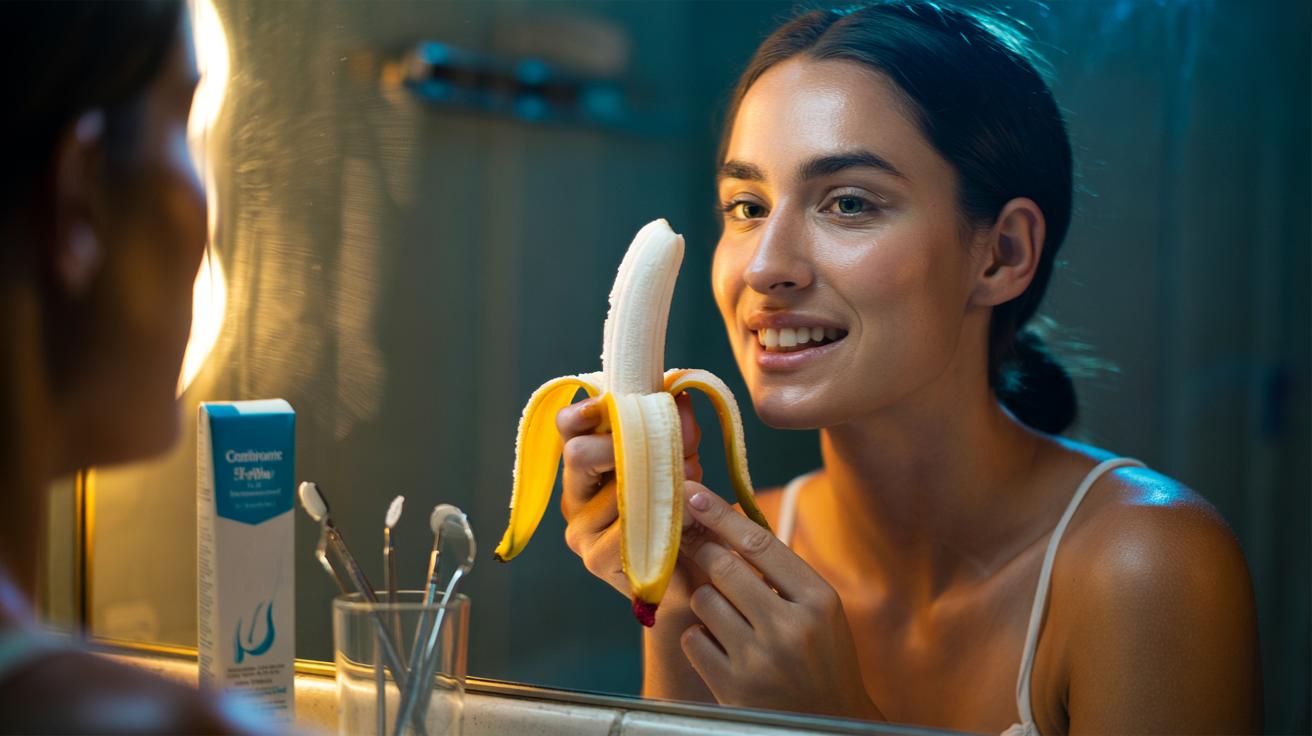
The method is simple: take a fresh banana peel, use the inner side to massage your teeth for a minute or two, then leave the residue briefly before rinsing. Proponents say minerals such as potassium, magnesium and manganese bind to enamel and “lift” stains. It sounds plausible, but chemistry begs to differ. Whitening demands an oxidising agent—typically hydrogen peroxide—that can penetrate enamel and break down pigmented molecules. Polishing with a peel may dislodge surface film, yet that’s not the same as bleaching.
There is no robust, peer‑reviewed clinical evidence that banana peels whiten teeth beyond transient surface cleaning. A small glow-up after rubbing often reflects saliva, smoother plaque, and better lighting in “after” photos. Even the peel’s gentle abrasiveness risks micro-scratching if you scrub too hard, which can make teeth look duller over time. The appeal is obvious—natural, cheap, accessible—but the mechanism doesn’t match how proven whitening works.
How It Compares With Whitening Strips and Gels
Over-the-counter whitening strips and gels use low concentrations of peroxide to oxidise stains within enamel. Results vary with exposure time, saliva flow, and the type of discoloration. Sensitivity can flare, usually temporarily, and uneven coverage is a common gripe. By contrast, a banana peel offers negligible bleaching potential. Any short-term brightening likely stems from removing pellicle and plaque, similar to a gentle polish. If you’re expecting peel rubs to match the chemistry of peroxide-based products, you’ll be disappointed.
Professional whitening prescribed by a dentist employs higher-strength gels in custom trays with safety protocols, addressing sensitivity and gum protection. It’s pricier but monitored, and the results tend to be more predictable. Before any method, a dental exam helps sort external stains from internal causes like enamel thinning or trauma, which bleaching may not fix.
| Method | Evidence for Whitening | Typical Speed | Key Risks | Approx. Cost (UK) |
|---|---|---|---|---|
| Banana Peel Rub | Minimal; no clinical bleaching | Immediate but superficial | Enamel micro-abrasion if over-rubbed | ~£0 (household) |
| OTC Whitening Strips | Moderate; peroxide-based | 7–14 days | Sensitivity, gum irritation | £15–£40 |
| Professional Whitening | Strong; dentist-supervised | 1–3 weeks (home trays) or faster in-chair | Sensitivity, requires suitability check | £200–£600+ |
Trying the Trend Safely: A Step-by-Step Reality Check
If curiosity gets the better of you, treat the peel as a gentler version of a polishing cloth, not a miracle agent. Choose a fresh, clean banana peel, wipe the inner side lightly over teeth for no longer than one to two minutes, and avoid scrubbing the gums. Wait a short while, then rinse thoroughly. After 20–30 minutes, brush with a fluoride toothpaste to protect enamel. Limit experiments to once or twice a week to reduce abrasion risk. Stop immediately if you feel persistent sensitivity or see gum irritation.
Tempted to upgrade results by adding baking soda or acidic fruit? Don’t. Acids soften enamel, and abrasives can erode it, leaving teeth more yellow as underlying dentine shows through. People with receding gums, active decay, or lots of restorations should steer clear and seek personalised advice. This trend is no substitute for a professional clean, stain mapping, and a suitability check for whitening.
Why Teeth Look Yellow—and What Actually Works
Discolouration falls into two camps. Extrinsic stains cling to the surface from tea, coffee, red wine, tobacco and plaque biofilm. Intrinsic stains live within the tooth—from ageing, enamel thinning, medication history, or trauma. Banana peels may shift superficial film, but they can’t oxidise internal pigments. Real improvements usually come from a hygienist’s scale and polish, stain-targeting pastes with mild abrasives, or peroxide-based whitening tailored to your sensitivity and lifestyle.
For banded or mottled enamel, a dentist may suggest microabrasion or resin infiltration; for deep intrinsic discolouration, veneers become the aesthetic option. On the NHS, whitening is typically cosmetic and not routinely available; private care offers supervised protocols with desensitising gels and custom trays. The most cost-effective start is a professional clean, dietary tweaks, and impeccable home care—then whitening if appropriate. A banana peel can be a harmless curiosity, but it’s not a shortcut to a brighter smile.
So does the banana peel rub whiten better than strips? The romance of a natural fix is powerful, yet the science points to superficial polish, not true bleaching. If you enjoy the ritual and keep it gentle, fine—but don’t expect it to replace proven treatments. The smart route is evidence-led care: understand your stain type, protect enamel, then choose a method that matches your goals, budget and tolerance for sensitivity. What’s your priority—quick results, minimal sensitivity, or the most natural routine—and how will you balance that with what actually works?
Did you like it?4.7/5 (20)