In a nutshell
- 🥚 Crushed eggshells act as a mechanical deterrent: sharp calcium carbonate shards irritate slugs and snails, forming a physical barrier rather than a poison.
- 🛠️ Safe prep and use: rinse, bake at 120–150°C for 10–15 minutes, crush into 3–6 mm flakes, and lay a 5–8 cm band around plants, leaving a stem gap; hygiene minimises Salmonella risk and copper tape boosts pot protection.
- 🌦️ Works best in dry conditions; rain compacts and smooths shards, so reapply after wet weather. Avoid repeated use around acid-loving plants; treat shells as a barrier, not a soil amendment.
- 📊 Evidence is mixed but promising under light to moderate pressure; with GB’s ban on metaldehyde, shells offer a child- and pet-friendly option with negligible immediate pH change.
- 🤝 Pair with integrated pest management: beer traps, night hand-picking, wildlife allies, and nematodes for larvae; monitor weekly and close any gaps in the rim.
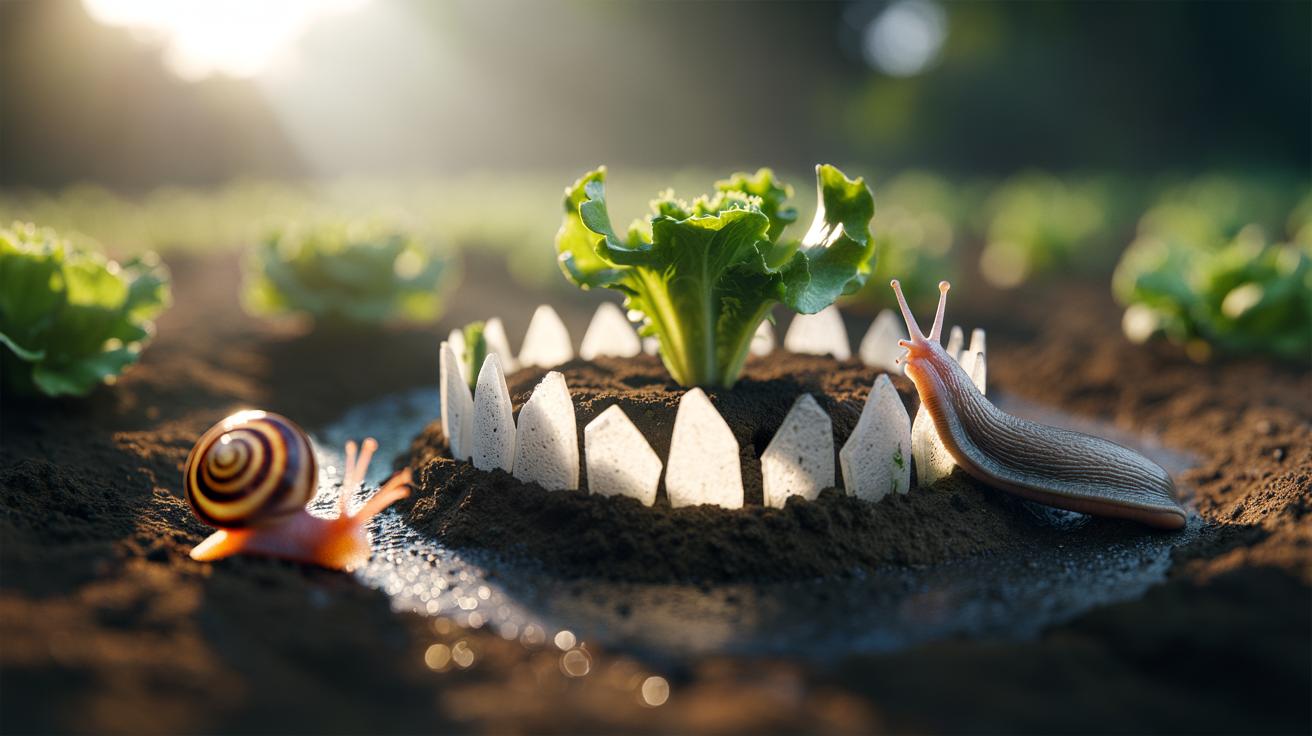
Gardeners across the UK are rediscovering a low-cost, low-waste tactic against slugs, snails, and other nibblers: scattering crushed eggshells as a protective rim around vulnerable plants. The premise is simple and clean. Hard, irregular calcium carbonate fragments create a prickly perimeter that soft-bodied pests prefer to avoid, reducing feeding without resorting to chemicals. Think of it as a miniature dry-stone wall built from yesterday’s breakfast. While not a silver bullet, it’s a smart, circular approach that turns kitchen waste into garden defence. Success depends on preparation, placement, and maintenance, especially after rain. Here’s how to make eggshell scatter work, what limitations to expect, and how to combine it with other nature-friendly strategies.
How Calcium Shards Work as a Defensive Perimeter
Crushed eggshells function as a mechanical deterrent. The angular shards abrade and irritate the foot of slugs and snails, increasing the effort and risk of crossing. This tactile discomfort, rather than any notable chemical reaction, is the heart of the method. The shards also create a dry, uneven texture that undermines the moist glide these pests rely on. When laid in a continuous band, the rough rim acts as a mini rampart, especially effective against small, soft-bodied intruders near seedling stems and leafy greens. Eggshell scatter acts primarily as a physical barrier, not a poison.
Chemically, shells are mostly calcium carbonate. In garden soils they break down slowly, offering only modest, long-term buffering in acidic beds. Any immediate pH shift is negligible. That reality underscores the point: you’re building a gritty barrier, not feeding the plant. In dry, still conditions, the deterrent effect is strongest. Rain compacts and smooths shards, while heavy footfall or mulch can bury them. Used judiciously, though, the method supports a wider integrated pest management plan.
Preparing and Applying Eggshell Scatter Safely
Clean, dry shells are essential. Rinse to remove membranes and reduce odours that can attract rodents. Bake shells at 120–150°C for 10–15 minutes to reduce pathogens and make them brittle. Once cool, crush them into sharp flakes roughly 3–6 mm across—think cornflake size. Avoid pulverising to dust if your goal is abrasion. Do not crush into a powder when you need a barrier. Store the flakes in an airtight jar until needed, keeping them dry to preserve their gritty profile.
Apply the shells as a continuous band 5–8 cm wide around target plants, leaving a small gap from the stem to discourage rot. Top up after rain or irrigation because water softens edges and collapses the rim. Wear gloves to prevent cuts from sharper fragments. Keep shards off edible leaves and fruit. For households, reduce any Salmonella risk by thorough washing and baking, and never place raw shells on crops close to harvest. In pots, complement shells with copper tape at the rim for two-tier protection. Regularly inspect the perimeter—gaps invite intruders.
Evidence, Limits, and Smart Combinations
Garden trials show mixed but promising results: light to moderate pressure from slugs and snails can be curbed, especially in drier spells, yet persistent rainfall and mature snails reduce efficacy. Large gastropods sometimes bulldoze through, and moist organic mulches can bridge the rim. The method works best as part of a layered strategy rather than a standalone fix. Avoid using heavy shells around ericaceous plants; while short-term pH shifts are minimal, continual additions are unhelpful to acid lovers. Since metaldehyde slug pellets are banned in Great Britain, gardeners are leaning into physical and biological options to keep pressure down.
| Pest | Interaction with Shell Shards | Best Conditions | Notes |
|---|---|---|---|
| Slugs | Abrasion deters crossing; small species most affected | Dry soil, low mulch bridging | Reapply after rain; pair with traps at night |
| Snails | Less responsive when large or in damp conditions | Warm, breezy days | Add copper rings for improved results |
| Cutworms | Rough barrier can slow surface movement | Dry surface, shallow cultivation | Use collars on stems alongside shells |
| Vine weevil | Adults may avoid jagged layer | Container rims kept clear | Combine with nematodes for larvae |
Combine eggshell rims with beer traps, wildlife habitat (frogs, toads, hedgehogs), and night-time hand-picking. Nematodes target larvae below ground, while tidy edging reduces slug harbours. Coffee grounds and salt are risky near crops; shells are gentler and biodegradable. Think layers: a gritty ring, vigilant checks, and predators at work. Track damage and tweak tactics weekly to match weather and pressure.
Eggshell scatter won’t make your borders invincible, yet it offers a tidy, circular way to harden the line around seedlings, lettuces, and strawberries. Prepared properly, applied generously, and refreshed after rain, calcium shards provide a visible, child- and pet-friendly barrier that complements biological controls and good hygiene. The method turns waste into resilience—a small ritual that teaches you to read moisture, traffic, and pest habits with a keener eye. As spring growth surges, where could a simple ring of shells make the biggest difference in your garden, and how will you measure its impact over the season?
Did you like it?4.4/5 (27)