In a nutshell
- 🍋 Lemon juice keeps avocado green for up to 8 hours by lowering pH, providing antioxidants, and limiting oxygen exposure.
- 🧪 Browning is driven by polyphenol oxidase (PPO); acidity and citrate can chelate copper and slow pigment formation.
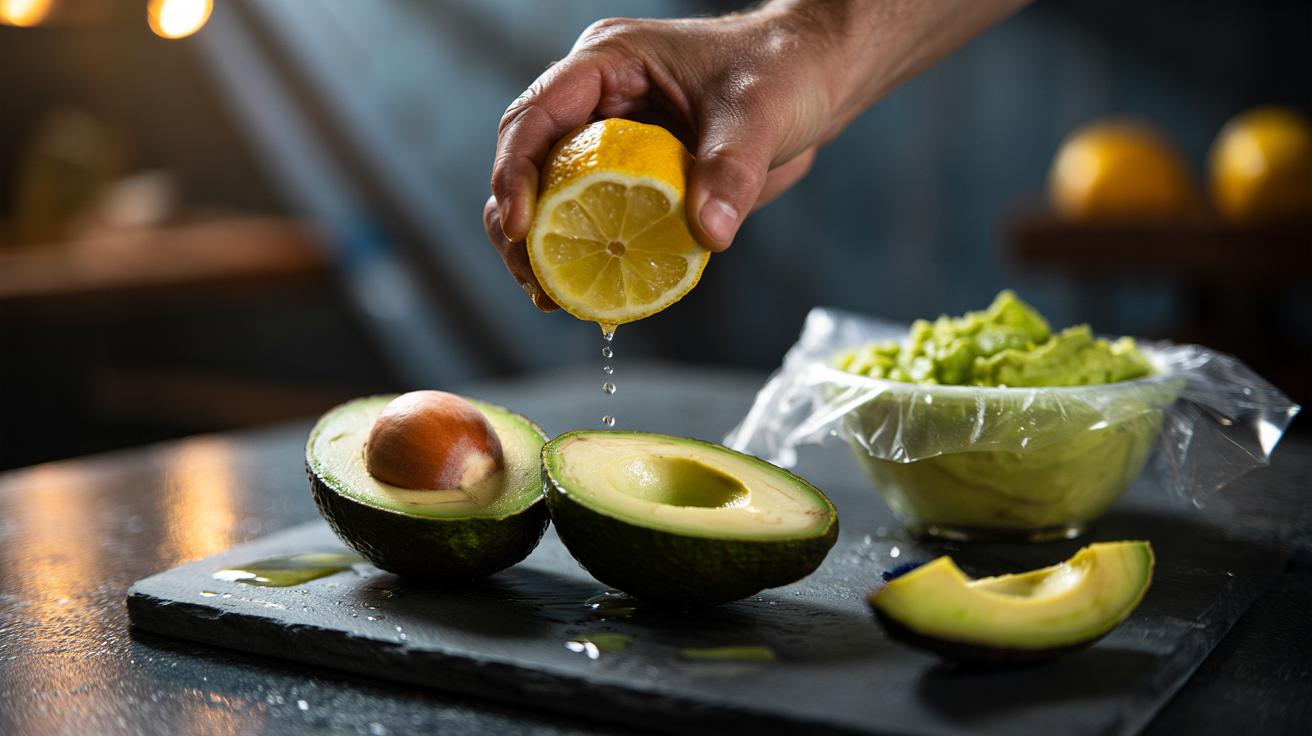
- 🥑 Step-by-step: coat all cut surfaces with 5–10 ml fresh lemon juice per avocado, press cling film directly on the surface, and refrigerate at 0–4°C.
- 📦 For guacamole: mix ~15 ml lemon juice per avocado, smooth the surface, mist with juice, apply contact wrap, then chill; keeping the pit in doesn’t halt oxidation.
- 🔬 Alternatives: lime offers similar protection; vinegar lacks vitamin C so is weaker; ascorbic acid works with precise dosing—best results pair acid with an oxygen barrier.
Avocado lovers know the frustration: vivid green turns murky brown before the guests arrive. The culprit is rapid enzymatic oxidation, yet a humble squeeze of lemon juice can hold that colour at bay for a working day. By dropping the fruit’s surface pH, adding fast-acting antioxidants, and limiting oxygen exposure, lemon juice can keep slices, cubes or guacamole appealing for up to eight hours in the fridge. Applied correctly, acid can arrest visible browning during a typical serving window. Here’s the science of why it works, the practical method to make it reliable, and a quick comparison with other anti-browning tricks so you can choose the right approach for lunchboxes, buffets and photo-ready toast.
Why Avocado Browns So Quickly
Once an avocado is cut, cells rupture and the enzyme polyphenol oxidase (PPO) meets oxygen. PPO converts natural phenolic compounds into brown melanin-like pigments, a reaction that is fastest around neutral pH and room temperature. The enzyme’s copper-containing active site catalyses this cascade efficiently, which is why even tidy cuts darken quickly. Texture damage accelerates the process: mashing increases surface area, invites oxygen deeper into the tissue, and spreads PPO everywhere. Brownness is chemistry, not spoilage, yet it affects flavour because quinones can bind to proteins and dull the fruit’s buttery notes. Cold slows the enzyme but does not stop it; the key to long-lasting green is to target PPO’s environment and the reactants it needs—oxygen and phenols—rather than simply chilling and hoping for the best.
Humidity and storage setup also matter. Exposed surfaces dry, concentrating substrates and hastening dark patches. Salting helps slightly by drawing water and limiting free oxygen, but without acidity, the effect is short-lived. That is where lemon juice excels: it changes the conditions PPO requires. A lower pH shifts the enzyme outside its comfort zone, oxygen is limited by better barriers, and antioxidants interrupt the pigment-forming chain. The result is slower chemistry you can control during serving.
How Lemon Juice Curtails Enzymatic Browning
Lemon juice protects in three complementary ways. First, citric acid lowers surface pH to around 3–4, dramatically reducing PPO activity. Second, lemon’s ascorbic acid (vitamin C) is a sacrificial antioxidant: it preferentially reacts with oxygen and reduces newly formed quinones back to harmless phenols, buying time before pigments accumulate. Third, citrate can chelate copper at the enzyme’s active site, weakening catalysis. When acidity, antioxidant power and oxygen control act together, visible browning can be postponed for up to eight hours under refrigeration. This is not mere tartness—it is targeted chemistry that throttles multiple steps of the browning pathway.
It is important to coat every exposed area thoroughly. Uneven application leaves “tide lines” where oxidation proceeds unchecked. Contact barriers multiply the benefit: cling film pressed directly on the surface blocks oxygen diffusion, while the lemon juice defends the microscopic gaps air could reach. In practice, this dual defence performs far better than either tactic alone. The flavour impact is modest if you use fresh juice and the right dose, and it blends naturally with avocado’s richness, especially in salads and guacamole.
Step-By-Step Method To Keep Avocado Green For 8 Hours
For halves and slices:
– Use a sharp knife to minimise bruising.
– Brush or toss with 1–2 teaspoons (5–10 ml) of fresh lemon juice per avocado, ensuring full coverage.
– Optionally add a pinch of salt to balance acidity.
– Press cling film directly onto the fruit’s surface, excluding air.
– Refrigerate at 0–4°C. This combination typically keeps colour for an eight-hour serving window. For plating, remove wrap just before serving and dab excess moisture with kitchen paper.
For guacamole:
– Mash the avocado, then immediately stir in 1 tablespoon (15 ml) lemon juice per large avocado, plus salt.
– Smooth the surface flat, lightly mist with lemon juice, and cover with cling film pressed to touch.
– Chill until service. Keeping the pit in only reduces volume, not chemistry; what matters is contact cover and acidity. If you prefer a softer citrus note, blend lemon with a little lime juice for aroma while maintaining pH control. Adjust seasoning after chilling, as cold suppresses perceived acidity and saltiness.
Comparing Acids and Storage Strategies
The right tool depends on format and flavour. Lemon balances effectiveness and taste, but alternatives can help. Lime juice performs similarly, often with a brighter aroma. Distilled vinegar lowers pH but lacks ascorbic acid’s reducing power, so colour holds less convincingly. Food-grade ascorbic acid powder (0.1–0.2%) is potent and neutral in flavour but needs accurate dosing. Physical barriers—oil films, water seals, vacuum containers—limit oxygen yet do nothing to enzyme activity if pH remains high. Pairing acid with an oxygen barrier is the most reliable formula for all-day colour.
| Method | Key Mechanism | Expected Browning Delay | Notes |
|---|---|---|---|
| Lemon juice + contact wrap (fridge) | Low pH, antioxidant, oxygen block | 6–8 hours | Best balance of flavour and control |
| Lime juice + contact wrap (fridge) | Low pH, antioxidant, oxygen block | 6–8 hours | Brighter aroma; similar efficacy |
| Vinegar + contact wrap | Low pH | 3–5 hours | Sharper flavour, no vitamin C |
| Ascorbic acid solution (0.1–0.2%) | Antioxidant, mild pH drop | 5–7 hours | Clean taste; measure carefully |
| Oil film only | Oxygen barrier | 2–4 hours | Can feel greasy; no pH change |
| Vacuum container | Reduced oxygen | 4–6 hours | Combine with acid for best results |
With a few drops of lemon juice and an airtight surface cover, you can serve avocado that stays bright and appetising through a long lunch, a commute, or an evening spread. The trick is not a secret chef’s hack but disciplined control of pH, antioxidants and oxygen. Apply acid evenly, seal out air, and keep it cold, and browning becomes a problem you schedule rather than suffer. For your kitchen and your palate, which combination suits you best: classic lemon, aromatic lime, or a near-invisible ascorbic acid blend paired with precision wrapping?
Did you like it?4.5/5 (24)