In a nutshell
- 🧊 Freeze stock in perfect portions for consistent seasoning, quick use, and near-zero waste—drop in exactly what a recipe needs.
- 🧪 Choose smart design features: food‑grade silicone, tight lids, embossed fill lines, and stackable trays for clean pouring, odour protection, and easy release.
- 🍳 Go freezer to pan: enrich sauces, risottos, grains, and soups with measured cubes; faster thawing boosts food safety and keeps flavours balanced.
- 💷 Cut costs and carbon: turn scraps into broth, replace packaged stock, reduce energy with small-volume reheats, and minimise plastic packaging.
- 🗂️ Build a kitchen flavour library: label types, salt levels, and dates; customise cubes for kids, allergies, or diets to streamline weekly meal prep.
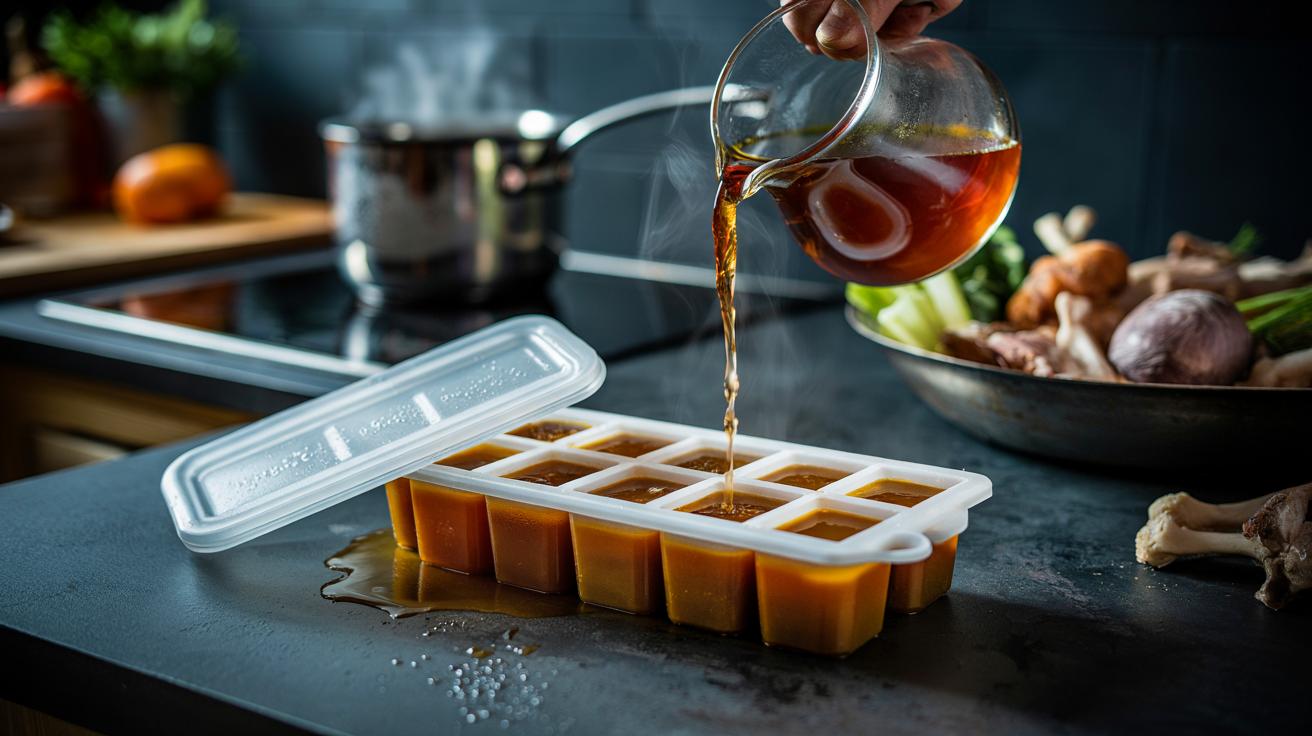
Home cooks and chefs share the same lament: wasting good stock because recipes rarely use a whole tub. Enter the humble but ingenious ice cube tray designed for perfect portions of stock. By freezing broth in measured cubes, you control flavour and cost while keeping your freezer tidy and your meals deeply savoury. One cube equals predictable taste, no guesswork, and zero waste. Whether you simmer bones at the weekend or save vegetable trimmings for broth, this small piece of kit transforms leftovers into a ready reserve of culinary power, always on hand and portioned to the drop.
Why Portioning Stock into Cubes Changes Everything
Stock cubes made at home aren’t bouillon tablets; they’re frozen measures of your own rich broth. Portioning into 30–60 ml servings gives you precision, the essential ingredient for consistent results. A risotto wants subtle depth, not a deluge; a gravy needs intensity without dilution. When each cube equals a known volume, recipes scale cleanly and flavours stay balanced. You drop in what you need, when you need it, without thawing a whole container or compromising texture by rapid reheats.
This discipline pays back in waste reduction and food safety. Smaller portions thaw faster, so you’re not leaving large tubs in the danger zone. The result is fewer leftovers going off and less pressure to reorganise the week around using stock. For anyone cooking for one or two, cubes are liberation: add a cube to sautéed mushrooms, finish pan sauces, or enrich grains—always just enough, never too much.
Design Features that Make Cubes Practical
The best trays solve mess, spillage, and stubborn release. Look for food-grade silicone with a rigid frame for stability, a tight lid to keep out freezer odours, and embossed fill lines at 30, 45, and 60 ml. Stackable lids turn a sloshy liquid into a neat, space-saving archive of flavour. Flexible wells pop cubes out cleanly, saving your wrists and preserving edges that help you measure accurately. A matte silicone surface reduces icy film, and a corner spout or funnel eases clean filling.
Clear labelling avoids mystery blocks. Dry-erase lids or freezer-safe labels let you mark type, salt level, and date. If you batch-cook, choose colour-coded trays—beef, chicken, veg, and shellfish—so you never cross flavours by accident. For baby food or low-salt diets, smaller wells provide fine control. Below is a quick guide to volumes, thaw times, and kitchen uses.
| Well Volume | Cubes per Tray | Typical Thaw Time (Pan) | Best For |
|---|---|---|---|
| 30 ml | 16–24 | 1–2 minutes | Pan sauces, glazing veg, deglazing steaks |
| 45 ml | 12–16 | 2–3 minutes | Risotto, soup adjustments, ramen broth tweaks |
| 60 ml | 8–12 | 3–4 minutes | Gravies, stews, batch grains, braising |
From Freezer to Pan: Techniques and Recipes
Think of cubes as culinary currency. For quick dinners, add two 30 ml cubes to a hot pan after searing chicken; whisk with mustard and butter for a glossy sauce. Stir 45 ml into sautéed onions and rice to start a weeknight risotto. Drop frozen cubes directly into simmering liquids for speed and safety—no microwave hotspots, no wasted time. For soups that need brightness, a veg-stock cube and a splash of lemon sharpen the finish without watering down seasoning.
Batch applications shine. Cook pearl barley in water, then finish with a 60 ml beef cube for savoury depth. Whizz roasted veg with a chicken-stock cube for a fast lunch purée. Freeze defatted gravy in cubes for Sunday roasts on demand. If you meal prep, keep unsalted cubes and season later; this preserves control over salt balance across dishes. Label allergens clearly, and remember: thaw in the fridge when not going straight into heat, and never refreeze thawed stock.
Economics and Sustainability of Stock Cubes at Home
Turning scraps into stock is already thrifty; freezing in cubes makes it systematic. A litre of homemade broth from bones and veg offcuts costs pennies compared with cartons. By deploying it in small portions, you avoid tossing half-used tubs—real savings across a month of cooking. One tray can replace multiple shop-bought stocks while eliminating packaging waste. Cubes also cut energy use: small volumes reheat in minutes, not the long simmer required to defrost large blocks.
Sustainability gains are tangible. You upcycle peels, trimmings, and carcasses; reduce reliance on high-salt powders; and keep plastic out of the bin. Stackable trays optimise freezer space, which improves appliance efficiency. For families, tailored cubes—low-salt for kids, rich demi-glace for special meals—mean fewer separate products and less clutter. The result is a kitchen that runs on planned leftovers, elevating flavour while shrinking your footprint and your food bill in one disciplined move.
In an era of tight budgets and time-poor evenings, a portioned stock tray offers control, speed, and remarkable flavour on standby. Cook once, freeze smart, and enjoy precision all week long. Whether you’re enriching a weeknight pasta, rescuing a bland stew, or finishing greens with a glossy glaze, those tidy cubes unlock better cooking with no waste and no fuss. Ready to rework your freezer into a flavour library—one measured cube at a time—so every meal lands just right, and nothing good goes in the bin?
Did you like it?4.5/5 (26)