In a nutshell
- 🧪 Vaseline is an occlusive: under long‑wear lipsticks it disrupts setting and increases smudging; on top it adds comfort but does not make colour permanent, even with “48-hour” claims.
- 💄 Longevity comes from film-formers and dye-based stains: dyes tint the superficial lip layer and films resist friction, so the “48 hours” is residual tint plus slower exfoliation—not a tattoo.
- 🧴 Application method: prep lightly, blot, apply thin layers of liquid matte, let set 60–90 seconds, then dab a tiny amount of Vaseline in the centre only; use a perimeter buffer to prevent feathering.
- ⚠️ Safety first: overusing occlusives can trap irritants and trigger cheilitis; avoid heat or harsh solvents, and patch test new formulas, stopping use if tingling, swelling, or persistent dryness occurs.
- 🧽 Smart removal and aftercare: use a biphasic remover or cleansing oil (press 30s, don’t scrub), then restore with petrolatum or ceramides and wear SPF; seek advice if stain persists beyond 48 hours.
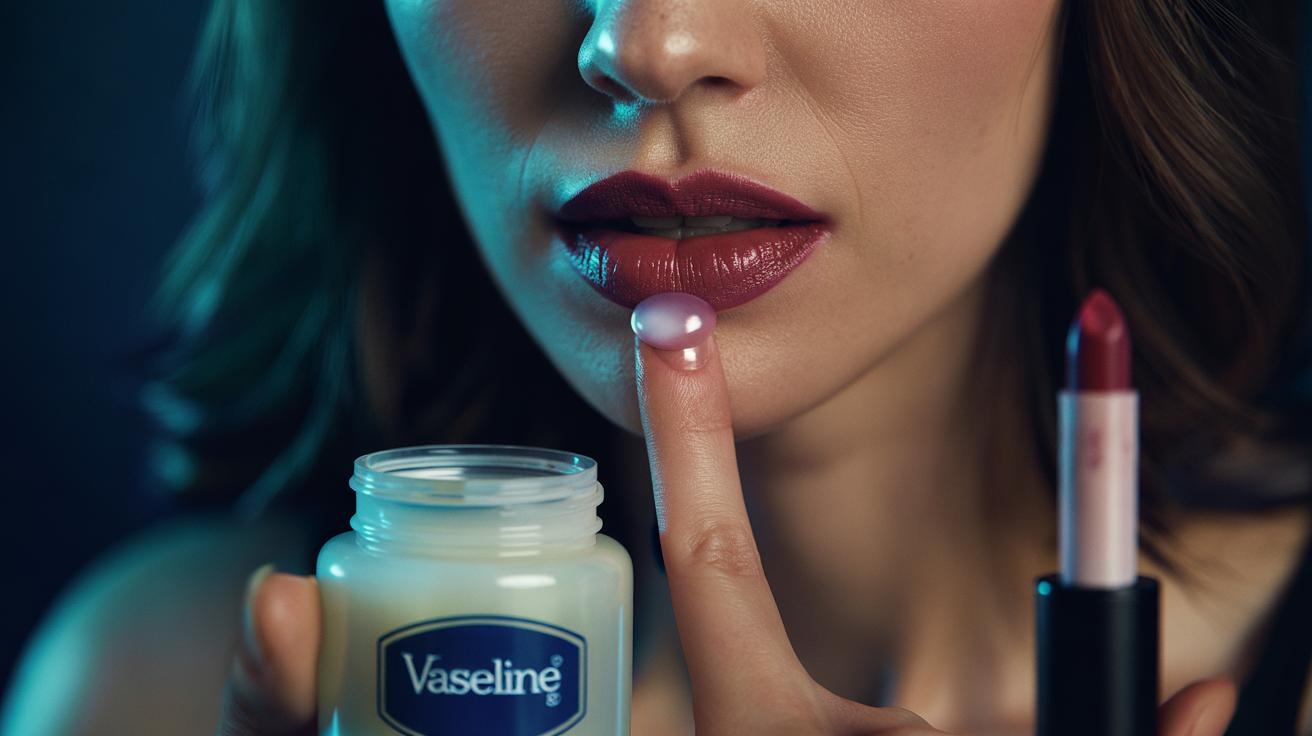
Beauty forums are buzzing with a hack that pairs Vaseline and a lipstick that stains for 48 hours, promising “near-permanent” colour. It sounds ingenious: a slick of petrolatum to lock in pigment, a long-wear formula to do the heavy lifting. Yet longevity on lips is chemistry, not magic, and small tweaks can make colour either stick or slip. Here’s what actually happens when you combine petrolatum with modern film-forming lipsticks, why some stains linger, and how to get vivid colour that lasts without compromising your skin. Temporary makeup cannot be transformed into a permanent tattoo by petrolatum, but there are smart ways to extend wear, protect your lips, and remove colour cleanly.
How Vaseline Interacts With Long-Wear Lipstick
Vaseline (petrolatum) is an occlusive—it forms a semi-occlusive barrier that slows water loss and softens the stratum corneum. On lips, that film can change how a lipstick sets. Many long-wear formulas rely on volatile solvents to evaporate, leaving a network of film-formers (such as trimethylsiloxysilicate) that lock pigment in place. If you apply a generous layer of petrolatum underneath, you hinder evaporation and dilute waxes and resins, creating slip. That often shortens wear and increases smudging. In other words, Vaseline rarely “glues” colour; it can behave more like a gentle makeup remover.
A thin veil post-application is different. After a liquid matte lipstick fully sets, a whisper of petrolatum can add comfort and shine, acting like a cushion against cracking. It may slightly reduce transfer by smoothing micro-cracks, but it also softens the film, which can lift pigment during eating and drinking. With true dye-based stains, petrolatum won’t make the dye penetrate deeper; it simply seals in moisture, which can make colour appear more saturated while it lasts. It does not make pigment permanent.
The Science of Stain: Dyes, Binders, and Skin
Why do some colours linger for 24–48 hours? Thin lip skin absorbs certain lip dyes—water- or oil-soluble colourants designed to tint the uppermost layers of the stratum corneum. Long-wear liquids add binders and silicones that form a flexible film on top, resisting friction. The “48-hour” effect usually reflects residual dye after the film wears down, plus reduced exfoliation. Petrolatum may maintain hydration and slow natural flaking, making residual tint appear longer. That is still a temporary superficial stain, not a tattoo.
Two caveats matter. First, some reds contain pigments that can migrate; petrolatum can increase mobility if applied thickly beneath, causing feathering. Second, dehydrated lips hold colour unevenly. A well-hydrated, gently exfoliated surface improves uniform uptake, then a precise, fully dried film-former locks it in. If you want extended wear without the mess, treat petrolatum as a comfort topcoat or perimeter buffer rather than a base. Choose formulas labelled with film-formers and dyes in the ingredients, and give them the full drying time they need.
| Lip Product Type | Main Mechanism | Effect of Vaseline Layer | Longevity Impact |
|---|---|---|---|
| Cream bullet lipstick | Waxes/oils for slip | Dissolves and increases slip | Shorter wear, more smudge |
| Matte bullet lipstick | Higher wax, less oil | Softens structure | Moderate decrease |
| Liquid matte long-wear | Solvent + film-formers | Underneath: disrupts set; On top: comfort, slight breakdown | Varies; often slight decrease |
| Dye-based lip stain/tint | Dye tints upper skin | Seals moisture; no deeper dyeing | Appears longer; not permanent |
Safe Application Method and Longevity Tips
Start with gentle prep: use a soft cloth or a mild scrub, then apply a light, fast-absorbing balm. Wait five minutes, blot, and ensure lips are dry. Outline with a long-wear lip liner to resist feathering. Apply a thin coat of liquid matte lipstick, let it set fully (60–90 seconds), then add a second thin coat only if needed. Avoid heavy petrolatum underneath. After setting, tap the tiniest amount of Vaseline in the centre for comfort, leaving the edges bare to protect the seal. Thin layers and patience outperform thick coats every time.
To prevent staining where you don’t want it, buffer the lip line with a minute ring of petrolatum on the surrounding skin—never on the lip surface before colour. Keep drinks to cups with lids to reduce friction. Choose shades known for reliable stain (berries, deep roses) if longevity matters. Always patch test new formulas on the inner arm 24 hours beforehand. If tingling, persistent dryness, or swelling occurs, discontinue use immediately.
Risks, Removal, and Aftercare
Overusing occlusives under colour can trap irritants and fragrance, raising the risk of cheilitis (lip inflammation). Some lakes and dyes can provoke sensitivity; retinoids or acids on the lips can worsen reactions. Do not attempt to “set” lip colour with heat, glue, or harsh solvents. For removal, reach for a biphasic remover or a cleansing oil rich in esters. Press a soaked cotton pad on closed lips for 30 seconds to dissolve the film, then wipe gently. Repeat rather than scrubbing. A mild lip-safe micellar water can clear residue without stripping.
Post-removal, apply a thin layer of petrolatum or a ceramide balm to restore the barrier. In daylight, use a lip balm with SPF, as UV can intensify residual staining and contribute to hyperpigmentation. If a stain persists beyond 48 hours or you notice cracking, oozing, or dark patches, consult a pharmacist or GP. Temporary stains should fade as the superficial layer naturally sheds. Treat the trend as a comfort tweak, not a permanence hack, and your lips will thank you.
The viral mix of Vaseline and long-wear lipstick can feel transformative, but its power lies in comfort and optics, not permanence. Think in terms of films, dyes, and skin health: prep lightly, layer thinly, let formulas set, and use petrolatum sparingly on top or around the lip line. Invest in dye-rich shades if you love a lasting tint, and remove them patiently with oil-based removers. Safe habits deliver consistent results without compromising your lip barrier. What’s your ideal balance between all-day impact and comfort, and which formulas have genuinely earned a place in your long-wear arsenal?
Did you like it?4.4/5 (27)