In a nutshell
- ✨ Vaseline + highlighter suspends pigment in petrolatum, transforming powder into a cream that smooths texture and delivers a slick, “wet” cheekbone sheen.
- 🧪 Method matters: mix on a clean palette; use ratios from 3:1 (sheer dew) to 1:1 (editorial glass); tap on high points and blend edges, applying last to preserve clarity.
- 🎨 Shade and finish: match undertones (champagne, rose-gold, icy pearl) and choose micro‑pearl over glitter; tailor placement for skin type—keep oily skins to bone points and powder the perimeter.
- ⏳ Longevity and photography: expect some transfer; blot first, “ring‑fence” with translucent powder, and pick pearl over metallic to minimise flash hotspots; avoid the T‑zone and hairline.
- 🧼 Safety and hygiene: decant with a spatula, make single‑use batches, cleanse thoroughly; patch test if acne‑prone, avoid broken skin, and pause strong actives if sensitivity occurs.
The “wet cheekbone” has migrated from backstage to bathroom shelves, and there’s a clever shortcut powering the glow: blending Vaseline with highlighter so it behaves like cream. The alchemy is simple, the effect editorial. Done well, it creates a slick, mirror-like sheen that reads expensive rather than oily. The trick lies in texture transformation, smart placement, and respecting ratios so light bounces rather than blinds. Whether you’re chasing glass-skin radiance for a night out or a daytime veil that flatters under grey skies, this mix delivers. A tiny amount goes a long way, and once you master the method, you can tailor the finish from subtle dew to runway gloss without buying another compact.
Why Vaseline Turns Powder Highlighter Into Cream
Vaseline’s base is petrolatum, a semi-solid blend of hydrocarbons with a low melt point that softens at skin temperature. When you blend a fine powder highlighter into it, the particles suspend in a waxy, emollient matrix. That changes the highlighter’s behaviour from dusty to glide-on, creating a cream highlighter on demand. Petrolatum is an occlusive, sealing in moisture and smoothing micro-texture; the result is a reflective surface that softens pores and fine lines rather than catching on them. Its relatively high refractive index also boosts the “wet” illusion, because light skates across a continuous film instead of scattering off dry pigment.
Because petrolatum is inert and clear, it lets the highlighter’s undertone show true while amplifying shine. This mixture behaves like a true cream highlighter because the waxy base traps and diffuses pigment evenly. Compared with oils, petrolatum is less runny and more controllable, so the glow stays where you place it. That control is the difference between tasteful dew and greasy slip.
Step-By-Step Method for a Glassy, Wet Cheekbone
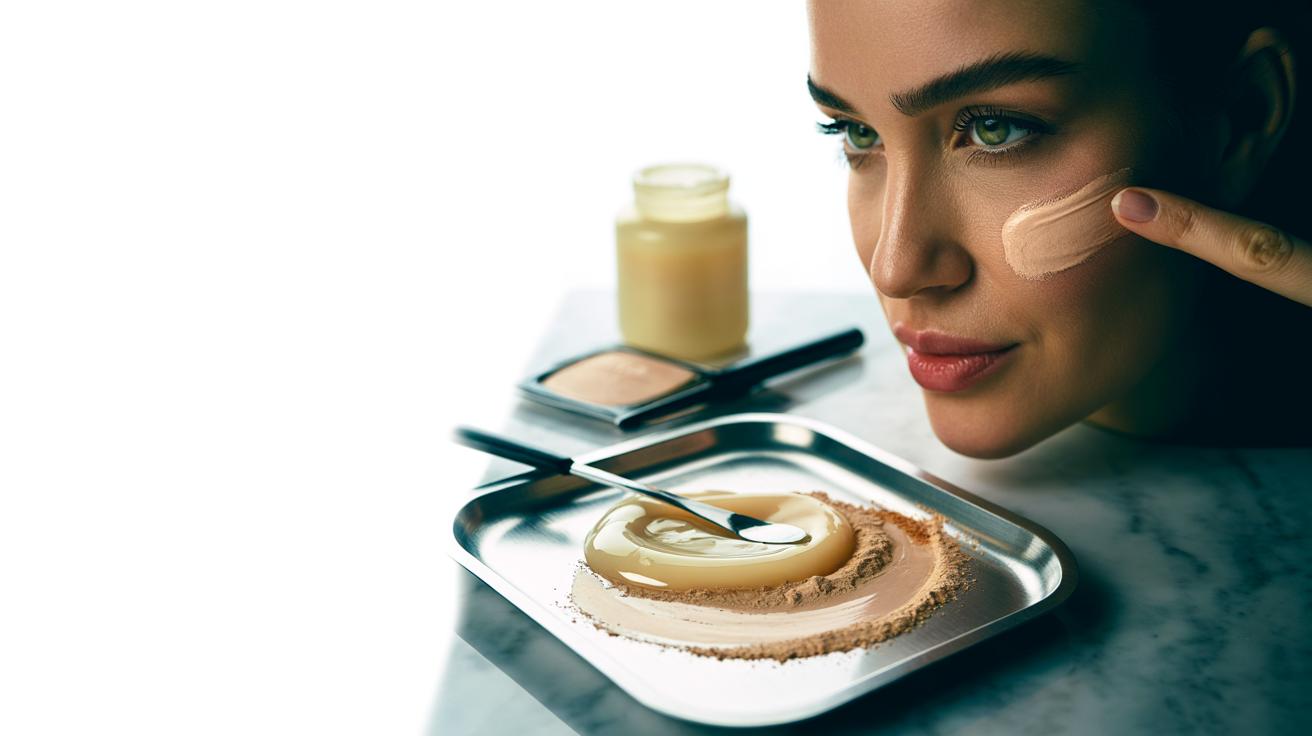
Start with hydrated skin and a thin layer of base. Choose a finely milled powder or loose highlighter—pearlescent over chunky glitter. On a mixing palette (foil or the back of a clean hand), press a rice-grain of Vaseline and add highlighter in pinhead amounts. Aim for a ratio of 3:1 (Vaseline to powder) for sheer dew, 1:1 for high-impact gloss. Blend until uniform; you’re creating a micro-emulsion of sorts, not a streaky paste. Never scoop product directly from the compact; shave a little onto the palette to protect the pan and keep oils out.
Tap the mix onto the highest points of the cheekbone, then blur edges with a clean fingertip or a damp sponge so it melts into base. Keep glow below the outer eye socket to avoid creasing. If needed, frame the cheek with a whisper of translucent powder to control migration without dulling the center sheen. Apply last, as the finishing stroke, to preserve clarity and shine.
| Mix Ratio | Visual Finish | Best Use | Tip |
|---|---|---|---|
| 3:1 (Vaseline:Highlighter) | Sheer dew | Daylight, textured skin | Pairs well with skin tints |
| 2:1 | Wet glow | Evening, photography | Powder edges lightly |
| 1:1 | Editorial glass | Runway, shoots | Keep off T‑zone |
Shade, Finish, and Skin Type: Getting It Right
Match undertone to your skin: champagne or soft gold brightens most complexions; rose-gold flatters medium to deep tones; icy pearl best suits cool and fair skin. Opt for micro-pearl finishes; sparkly particles can appear gritty once suspended. Avoid chunky glitter that reads as texture under daylight. On dry or mature skin, the occlusive layer can look beautifully plush, especially over a thin veil of moisturiser. Combination or oily skin benefits from strategic placement—keep glow high on the cheekbone and skip the centre face.
Petrolatum is generally non-comedogenic, but it can feel heavy. If you’re acne-prone, patch test and limit the blend to bone points, keeping clear of active breakouts. For long wear on humid days, lay down a thin layer of liquid highlighter first, then tap your Vaseline blend on top for a “grip and gloss” sandwich. Oily T‑zones may need targeted powdering to keep the look intentional, not shiny.
Longevity, Photography, and Safety Considerations
Gloss transfers—accept it, manage it. To increase wear, blot the area first, apply your blend sparingly, then ring-fence the cheek with a soft-focus powder. Masks and scarves will lift product; re-tap rather than smear to refresh. In photos, the mix looks luxe under soft light but can hotspot with flash. Choose pearl, not metallic, for events that involve flash, and avoid SPF-heavy, white-cast powders around the highlight zone. Keep the blend away from hairline and fringe to prevent sticky flyaways.
Hygiene matters. Decant Vaseline with a spatula, scrape powder to a palette, and make single-use batches—no jar double-dipping. Remove with a gentle cleanser; the occlusive film can lock in heat if layered over strong actives, so pause retinoids on application nights if you’re sensitive. Contact lens wearers should avoid using this mix on lids. Do not use near broken skin, and if you notice congestion, scale back to special occasions.
This simple blend turns a familiar staple into a bespoke cream highlighter with editorial payoff and drugstore pricing. Master the ratio, choose the right pearl, and respect placement, and you’ll get that coveted “wet” cheekbone that reads expensive in real life and on camera. It’s adaptable, quick, and forgiving, provided you keep hygiene tight and application light. Ready to experiment—what finish, from sheer dew to glassy gloss, will you dial in for your next night out, and where will you place it to catch the light just so?
Did you like it?4.7/5 (30)