In a nutshell
- 🌟 Overnight brightening is mostly optical: used coffee grounds smooth away buildup for better light reflection, while caffeine gives a temporary “tightening” look rather than bleaching melanin.
- 🧴 Safe routine: mix damp used grounds with honey or aloe and a few drops of oil, massage for 30–60 seconds, rinse, then apply a moisturiser with urea (5–10%) or lactic acid (5%); don’t sleep with the gritty paste on skin.
- 🔬 Evidence and expectations: exfoliation is well supported; caffeine offers antioxidant and vasoconstrictive benefits but limited lightening data; visible pigment change takes weeks—pair with daily SPF 30+.
- ⚠️ Precautions: patch test, avoid broken or irritated skin, keep pressure light to prevent micro-abrasions; consult a GP if dark patches are thick or velvety (possible acanthosis nigricans).
- ♻️ Smart extras: repeat 2–3 times weekly, reduce friction from clothing, consider niacinamide (2–5%) alongside the scrub, and track progress with consistent lighting in photos.
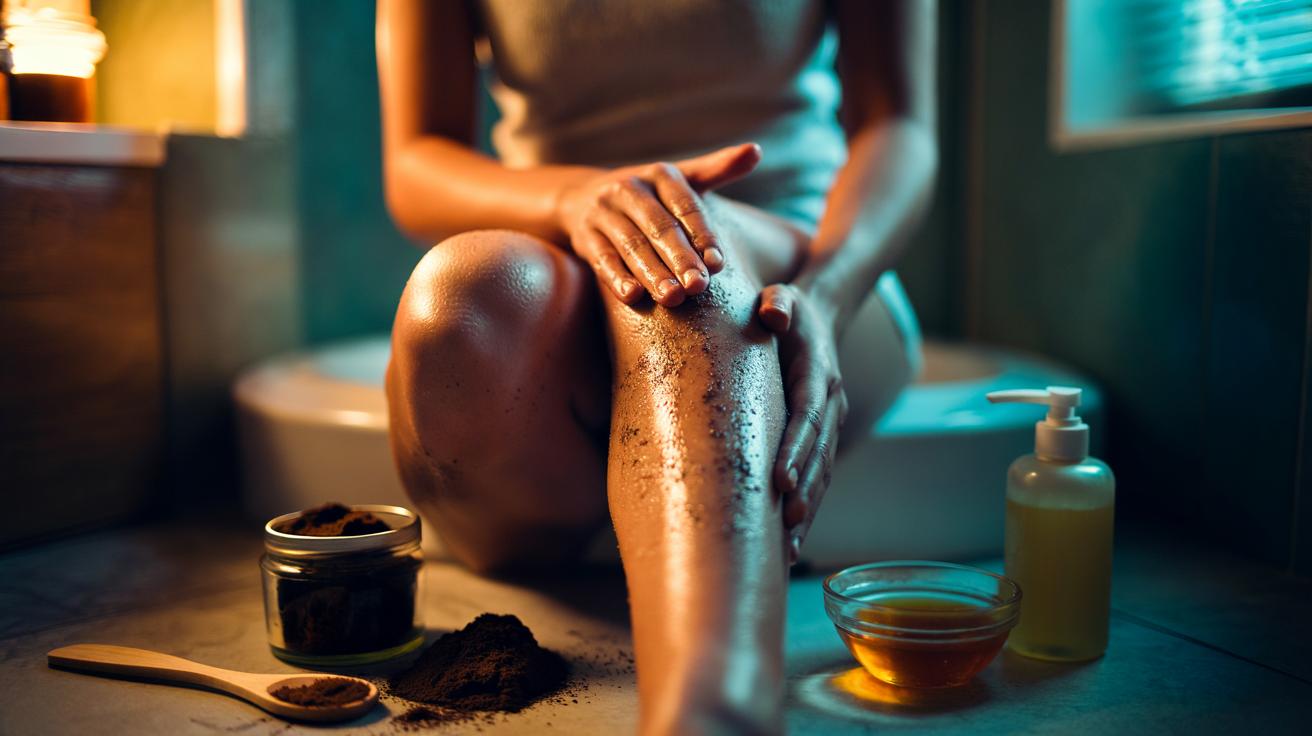
Across Britain’s bathrooms, a jar of used coffee grounds is getting a second life as a budget beauty fix for dark knees. Fans say caffeine can brighten the area by morning, while the grains buff away dull build-up. The idea isn’t pure myth, but it isn’t magic either. The brightness you see overnight usually comes from exfoliation, surface smoothing, and better light reflection rather than true pigment change. Set expectations: improvements are subtle, cumulative, and depend on skin type. Here’s how this eco-friendly upcycling can fit into a smart routine, what science suggests, and how to stay on the right side of safety.
Why Coffee Grounds May Help Dark Knees
Knees often look darker because of friction, pressure, and a build-up of compacted dead skin that exaggerates shadow and dryness. Used coffee grounds act as a gentle mechanical scrub, loosening that keratin build-up in the stratum corneum. Once the top layer is smoothed, the skin reflects light more evenly and the colour appears more uniform. A rinse and a rich moisturiser help seal in water so fine surface lines flatten, creating a visible “brighter” effect. This is why some people describe an “overnight” change: the knee looks less ashy immediately after buffing and hydrating, even though melanin has not shifted.
Coffee also contains antioxidants such as chlorogenic acids and a dose of caffeine, which may reduce the look of dullness by gently constricting vessels and fending off oxidative stress. Caffeine does not bleach melanin, but it can have an optical tightening effect that makes texture appear smoother. Any real pigment correction is slower and relies on consistent care. Because spent grounds are less acidic and less scratchy when well-drained, they offer a milder polish than fresh beans. Pairing the scrub with humectants keeps micro-flakes from returning by morning.
How to Use Spent Grounds Safely Overnight
Reserve a tablespoon of used coffee grounds, then pat them dry on kitchen paper so they’re damp, not dripping. Stir with a teaspoon of honey or aloe gel plus a few drops of olive oil to cushion the grains. Patch test inside the elbow for 24 hours. On clean, damp knees, massage the paste in light circles for 30–60 seconds per side. Rinse thoroughly and pat dry.
For an “overnight” brightening routine, focus on the follow-up. Apply a leave-on moisturiser with urea (5–10%) or lactic acid (5%) to keep the surface supple and help ongoing desquamation. A thin layer of a caffeine body serum can add a temporary tightening look. Slip on a dark knee sleeve or wrap a soft cloth to prevent staining. Do not sleep with gritty paste against the skin; it can create friction and micro-abrasions while you move.
Repeat the polish two to three evenings a week. Skip if skin is broken, sunburnt, or eczematous. Mild tingling can occur with acids, but stop if you experience persistent stinging, redness, or swelling. In daylight, use SPF 30+ on exposed knees; UV exposure can deepen hyperpigmentation.
Evidence, Expectations, and When to Seek Expert Help
Laboratory and cosmetic studies link caffeine with antioxidant action and transient vasoconstriction, which may make skin look fresher. Mechanical exfoliation is well established for improving tone and texture. But robust clinical trials showing caffeine alone lightens knee hyperpigmentation are scarce. The most realistic “overnight” gain is less ashiness and a smoother feel from polishing and moisture. True pigment turnover takes weeks, so pair your coffee routine with daily sunscreen and friction control (softer fabrics, better fit for gym leggings). If you’re prone to post-inflammatory darkening, keep pressure light to avoid new irritation.
| Component | Role | Evidence Strength | Caution |
|---|---|---|---|
| Caffeine | Antioxidant, vasoconstrictive “tightening” | Anecdotal + small cosmetic studies | Not a bleach; effects are temporary |
| Grounds (grit) | Physical exfoliation | Well supported for surface smoothing | Too much pressure can irritate |
| Chlorogenic acids | Free-radical defence | Laboratory data | Limited skin-lightening evidence |
| Urea/Lactic acid | Chemical exfoliation, hydration | Dermatology-backed | Start low; avoid broken skin |
| Niacinamide | Melanin transfer moderation | Good cosmetic evidence | Use 2–5%; patch test |
If the darkening is thick, velvety, itchy, or suddenly worsening, speak to your GP. Symmetrical patches can hint at conditions like acanthosis nigricans, sometimes linked to insulin resistance. A clinician can advise on prescriptions (for example, azelaic acid or a retinoid) and rule out causes that coffee can’t touch. A gentle, steady plan—light exfoliation, rich moisturiser, daily SPF—remains the safest route to a gradually brighter look.
Used coffee grounds can deliver a quick cosmetic lift by softening rough edges, boosting hydration, and lending a subtle, tighter look—results you can notice by morning without splurging. They won’t erase pigment overnight, but they can be part of a low-cost routine that respects skin and the environment. If you try this, keep the pressure light, commit to sunscreen, and track changes weekly with photos under the same light. How will you tailor the blend—more cushion, added niacinamide, or a gentler acid—to match your skin’s needs?
Did you like it?4.6/5 (27)