In a nutshell
- 🧪 Petroleum jelly forms an occlusive, lipophilic film that slows evaporation and absorption, acting like a budget fixative to keep perfume projecting until the next day.
- 🗺️ Application matters: use unscented Vaseline on pulse points, apply a thin sheen, spray from 15–20 cm, and don’t rub; patch test if sensitive and reduce sprays because longevity increases.
- 🌼 Best matches: volatile citrus and airy EDTs, plus musks, Iso E Super, and ambroxan gain stability; dry winter skin benefits most, while strong projectors and humid days require a lighter touch.
- ⚖️ Alternatives and caveats: try a fragrance-free moisturiser, silicone primer, perfume oil layering, or clothing spritz; watch for fabric transfer, potential note skewing, and photoreactive citrus in sun.
- 💡 Key takeaway: for maximum longevity at low cost, petroleum jelly outperforms other methods, provided you keep it unscented, apply sparingly, and respect the fragrance’s intended development.
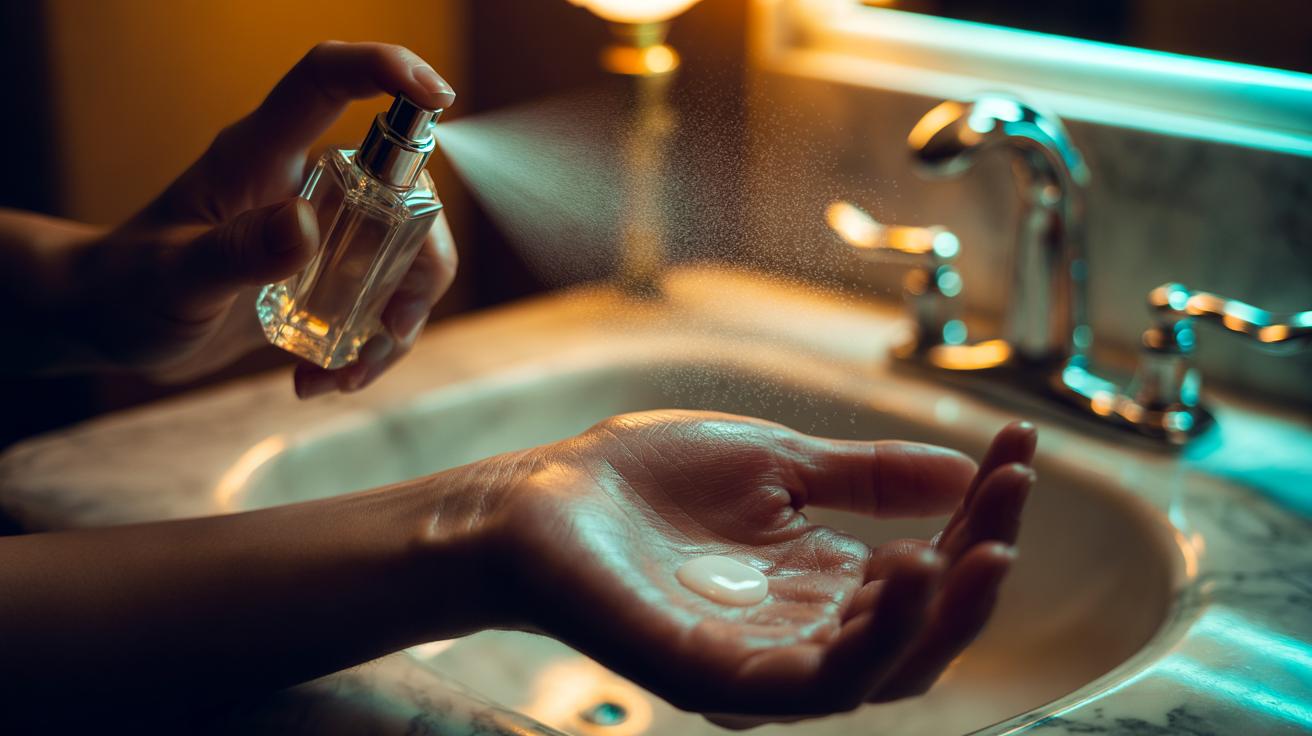
There’s a quietly effective trick doing the rounds in British bathrooms: a fingertip of petroleum jelly beneath your perfume. The premise is simple yet surprisingly scientific. Fragrance disappears as volatile molecules evaporate or absorb into skin; a waxy, oily buffer slows both routes. Apply a tiny smear of unscented Vaseline to pulse points, mist your favourite eau de parfum, and the aroma seems to cruise through the day and beyond. Used sparingly, this hack can make even bright citrus linger until tomorrow. Below, we unpack the physics, the best application technique, and when this method outperforms pricier fixes—without muting the artistry of the fragrance itself.
Why Petroleum Jelly Makes Perfume Last
Perfume fades because its volatile compounds disperse into air or sink into skin lipids. Petroleum jelly creates strong occlusion, forming a semi-occlusive film that curbs transepidermal water loss and stabilises surface humidity. That micro-environment reduces the diffusion gradient, so aroma molecules exit more slowly. Jelly is also lipophilic, so a proportion of fragrance oils preferentially partition into the jelly layer rather than disappearing into deeper skin layers. The result is moderated release rather than a burst-and-bust cycle. A thin smear can keep projection steady when your skin would normally “drink” a scent.
Think of petroleum jelly as a budget fixative. It doesn’t chemically bond to notes, but it manages volatility. Top notes such as lemon or bergamot (rich in limonene) usually flash off; in a jelly matrix, they evaporate more gradually. Heart notes like linalool-heavy florals hold their shape, while base notes—woods, musks, ambroxan, vanilla—gain extra staying power. Because less fragrance is absorbed into the skin, there’s also reduced interaction with individual skin chemistry, which often distorts delicate compositions. In simple terms: the jelly “traps” scent molecules at the surface and meters their escape.
How to Apply: A Step-by-Step, Science-Led Method
Start with clean, dry skin. If you moisturise first, choose a fragrance-free moisturiser to avoid clashes, then wait a minute. Tap on a pea-sized amount of unscented, medical-grade petroleum jelly across your pulse points—wrists, inner elbows, base of throat, behind ears—spreading it thinly until it’s just a soft sheen. Less is more; over-application can smother a scent’s natural lift. Hold your bottle about 15–20 cm away and spray once or twice over each area. Let it settle; don’t rub, as friction breaks top notes and pushes oils too deep, defeating the purpose of the barrier.
For evenings, try a pinpoint under clothing where heat builds—crook of the elbow or sternum—but beware fabrics. The jelly may transfer, so keep it off silk and suede. To avoid muddle, stick to unscented jelly; perfumed balms can skew accords. If you’re on the go, dab a solid, scentless balm stick, then spritz. Always patch test on the inner arm if your skin is reactive. Finally, resist stacking too many sprays; the barrier intensifies longevity, so you may need fewer pumps than usual.
The Chemistry of Notes: Who Benefits Most
Citrus colognes and airy eau de toilettes often vanish by lunch because their terpenes are ultra-volatile. A jelly base blunts the initial spike and slows diffusion, keeping brightness alive into the next day for many wearers. Sheer woods built on Iso E Super, modern musks, and ambergris-like ambroxan also respond well, gaining roundness and a smoother trail. Heavy orientals already last, but the method can polish their dry-down and soften rough edges. Dry, winter skin gains the biggest longevity boost, when evaporation and absorption are both high.
Skin chemistry matters. On very oily skin, the hack stabilises lift and reduces the “sour” turn that some florals suffer. On very dry skin, it acts like scaffolding, preventing notes from collapsing. Strong projector fragrances need a lighter hand to avoid bloom overpowering a room. Outdoors in wind or cold, the barrier is especially helpful; in humid heat, go sparingly to prevent cloying. Eau de parfum usually benefits more than eau de toilette, while pure perfume oils may need only a whisper of jelly.
Alternatives and Caveats
If petroleum jelly feels too waxy, there are adjacent tactics. A fragrance-free moisturiser creates a milder barrier; silicone-based primers can slow evaporation without the gloss. Layering a matching perfume oil beneath your spray anchors the composition, and misting clothing (from distance) shifts the battlefield from skin chemistry to fabric fibres. Each route has quirks: clothing can stain; oils may alter development; primers can flatten lift if overused. Whatever you choose, subtlety preserves the perfumer’s intended arc.
Safety is straightforward: white petroleum jelly is generally non-comedogenic and hypoallergenic, but patch test if you’re acne-prone or eczema-prone. Avoid broken skin, keep jelly clear of jewellery and silk, and remember that some citrus materials can be photoreactive—wear sunscreen if you’ll be in strong sun. Don’t combine with fragranced body butters unless you love the blend you’re creating. If you experience warmth, redness, or itching, cleanse the area and discontinue. Fragrance should elevate your day, not irritate your skin.
| Method | Mechanism | Pros | Caveats |
|---|---|---|---|
| Petroleum jelly | Occlusive, lipophilic film slows evaporation and absorption | Max longevity; low cost | Potential fabric transfer; go unscented |
| Fragrance-free moisturiser | Hydration reduces volatility spikes | Natural feel; everyday-friendly | Shorter boost than jelly |
| Perfume oil layering | Oil phase anchors notes | Deepens base; rich trail | May alter original balance |
| Clothing spritz | Fibres hold aroma | Excellent sillage | Staining risk; test fabrics |
| Silicone primer (unscented) | Barrier moderates diffusion | Lightweight, clear finish | Can flatten top-note sparkle |
The jelly-under-perfume trick succeeds because it respects chemistry while amplifying artistry. By managing volatility and steering partitioning at the skin’s surface, it gives radiant top notes a longer runway and lets base notes unfurl at a civilised pace. It’s a pragmatic, purse-friendly way to make a beloved bottle work harder through commutes, dinner plans, and the morning after. Used judiciously, it won’t smother nuance—it will stretch it. Which fragrance in your collection would you test with a pinpoint of petroleum jelly first, and what kind of transformation would you hope to notice by tomorrow morning?
Did you like it?4.3/5 (30)