In a nutshell
- 🧦 The Vaseline + socks method: apply petroleum jelly to slightly damp feet, then wear cotton socks to create a warm microclimate and an occlusive seal that traps moisture overnight.
- 🧪 Science of occlusion: petroleum jelly reduces trans-epidermal water loss (TEWL) while socks stabilise humidity and temperature, allowing the stratum corneum to soften and repair.
- ⏱️ Three-night timeline: night 1 eases discomfort, night 2 smooths fine cracks, night 3 restores flexibility; boost results by layering glycerin or urea 10% before the jelly.
- 🧼 Preparation and technique: cleanse, leave slight dampness, use gentle filing on thick skin (never on open fissures), and apply a morning moisturiser to maintain gains through consistent nightly use.
- ⚠️ Safety notes: avoid aggressive peeling and seek help if there’s bleeding or infection; people with diabetes or poor circulation should consult a clinician and prioritise gentle cleansers and supportive footwear.
It’s the homespun remedy beauty editors whisper about and podiatrists quietly respect: a thick smear of Vaseline wrapped under cotton socks overnight. The promise sounds almost too neat—heal cracked heels in three nights—yet the science behind this nocturnal ritual is solid. Petroleum jelly is a classic occlusive, slowing water evaporation from the skin, while socks create a gentle, warm microclimate that helps active ingredients penetrate. Used consistently, the pairing can soften callused edges, reduce pain from fissures, and restore suppleness to the skin’s outer layer. Here’s how the method works, why it delivers results while you sleep, and how to make those three nights count.
The Vaseline Sock Method Explained
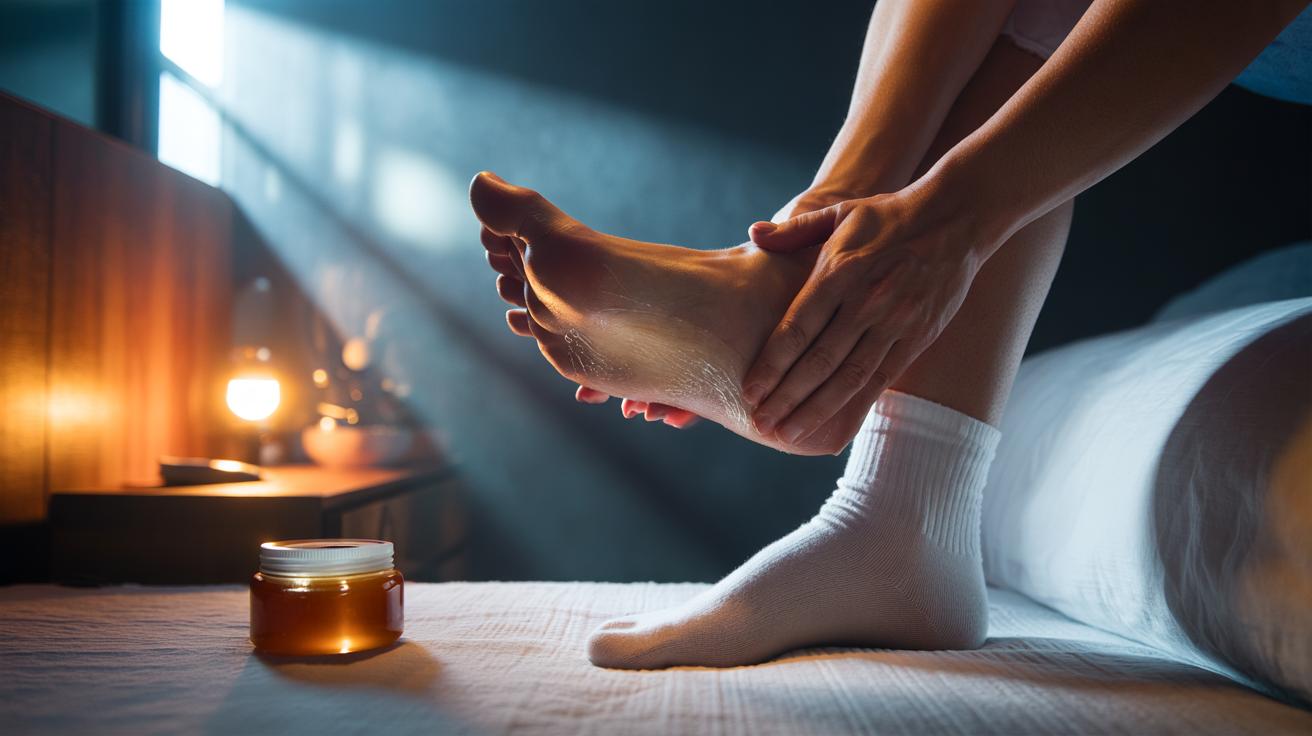
Start with clean, slightly damp feet—after a shower or a quick warm soak. Pat dry, leaving a hint of moisture on the skin. Massage a generous layer of petroleum jelly into heels and any rough patches; aim for a visible film, not a thin glaze. Slip on breathable cotton socks to hold the occlusive in place and to protect bedding. The damp-to-occlusive sequence locks in water and slows overnight evaporation, providing the conditions cracked skin needs to knit and smooth.
Preparation matters. Smooth sharp edges with a soft foot file or pumice—light strokes only, never on open fissures. Avoid harsh, aggressive scrubbing, which can trigger rebound thickening. If odour or infection is suspected, pause the routine and seek professional advice. For most dry, split heels caused by low humidity, frequent sandal wear, or soap overuse, Vaseline + socks becomes a fast track to overnight comfort.
Consistency is the secret. Apply nightly for three consecutive evenings, washing feet gently each morning. Three nights deliver cumulative hydration, not a one-off miracle. By night three, the outermost skin layer—the stratum corneum—is more flexible, fine cracks are visibly softened, and walking feels less scratchy against fabric and floors.
How Occlusion Traps Moisture While You Sleep
Cracked heels form when the skin’s barrier leaks water faster than it can be replenished. Occlusion flips that script. Petroleum jelly forms a semi-permeable film that dramatically reduces trans-epidermal water loss (TEWL), giving cells time to reorganise lipids and repair micro-fissures. The socks raise skin temperature a notch and hold the jelly in place, creating a stable, humid microclimate. This microclimate is the engine of overnight repair, softening keratin so the surface becomes pliable instead of brittle.
Think of it as scaffolding for your skin barrier. While humectants draw moisture and emollients smooth, the occlusive layer is the seal that keeps hydration where it belongs. By morning, the jelly film wipes away, but the retained water and reorganised lipids remain, revealing skin that looks and feels denser, springier, and less likely to split with pressure.
| Element | Function | By Morning |
|---|---|---|
| Petroleum jelly | Occlusive barrier reducing TEWL | Softer, more elastic skin |
| Cotton socks | Hold product, create warm microclimate | Deeper hydration, less mess |
| Residual dampness | Supplies water to be sealed in | Plumper outer layer |
Three-Night Timeline: What to Expect and How to Boost Results
Night one delivers comfort. The sting of splits eases as occlusion reduces friction and seals jagged edges. You’ll wake to visibly softer heels, though deeper lines may persist. Gently cleanse away residue and apply a light daytime moisturiser to keep gains. Skipping the day-after moisturiser slows momentum.
Night two brings visible smoothing. Fine cracks blur; thick rims around the heel soften. If skin lifts in tiny flakes, resist vigorous peeling—trim only loose, non-attached bits after bathing. A brief, mild foot file pass can tidy without trauma. Keep the Vaseline + socks ritual intact.
By night three, flexibility improves markedly. Walking pressure no longer creates scratchy drag, and chalky patches look less opaque. To supercharge results, cleanse, pat damp, then apply a humectant layer (a light glycerin or urea 10% lotion) before the jelly. Occlusion seals the humectant in, compounding hydration. Three consecutive nights are a realistic window for meaningful repair in uncomplicated dry cracking.
Simple doesn’t mean simplistic. The Vaseline and socks routine works because it respects skin physics: reduce water loss, maintain a calm, humid microclimate, and avoid aggressive abrasion. Keep heels covered in supportive footwear, choose gentle cleansers, and moisturise after every wash to prevent relapse. If cracks bleed, show signs of infection, or you live with diabetes or poor circulation, consult a clinician for tailored care. For most, three quiet nights are enough to turn sandpaper into satin. Will you give your heels that focused, occlusive pause—starting tonight—and see how your skin responds by midweek?
Did you like it?4.7/5 (21)