In a nutshell
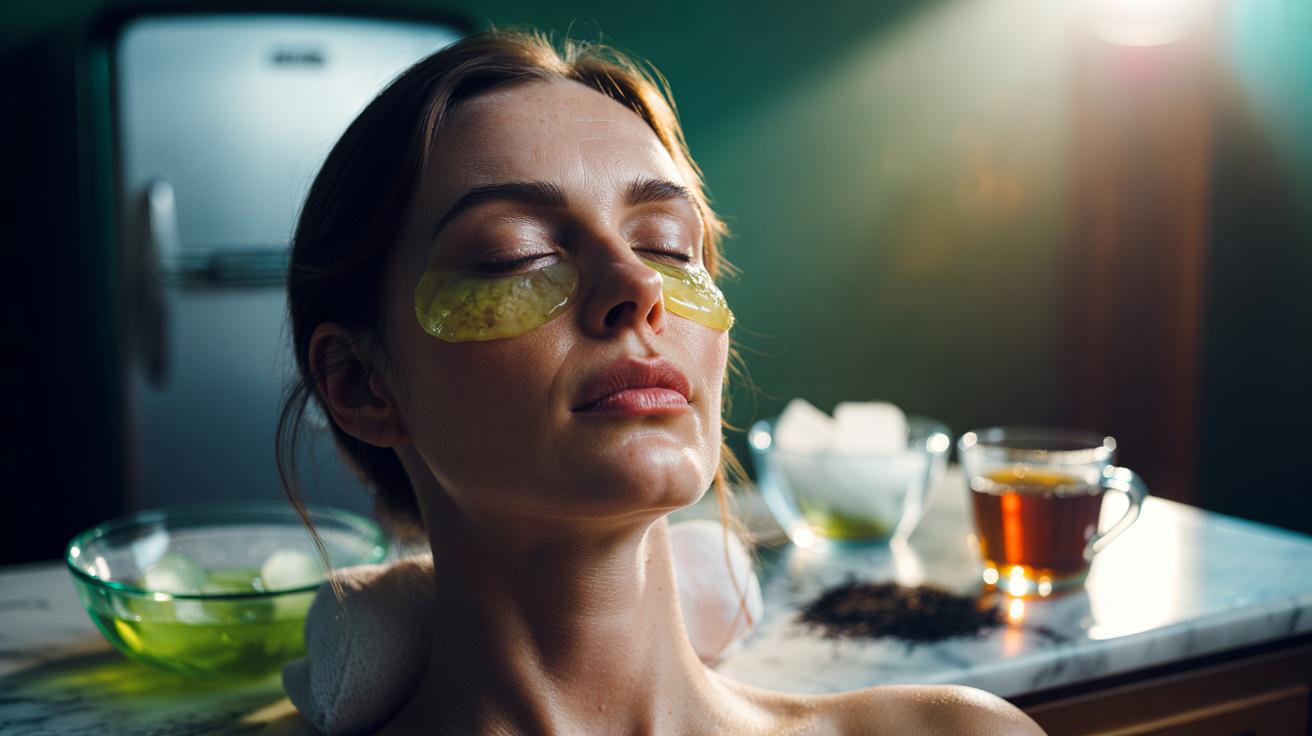
- 🌿 A chilled tea bag compress calms under-eye swelling via antioxidants (EGCG), caffeine, and tannins, with cooling acting as a classic cold compress for a fast, visible de-puff.
- 🍵 Choose wisely: Green tea (EGCG) for inflammation, Black tea for tightening, Chamomile for sensitivity; use plain, unflavoured bags and chill—not hot.
- 🧊 Simple routine: brew, refrigerate 10–15 minutes, apply 2–5 minutes (up to 10), clean hands/face, remove lenses; follow with a light hydrating gel and avoid strong actives immediately.
- 🧪 Mechanism: tea polyphenols modulate inflammation, caffeine gently vasoconstricts, and cold slows microcirculation; benefits are visible yet temporary.
- ⚠️ Safety first: do a patch test, avoid use on infections or broken skin, watch for allergies (aster family), and seek care for one-sided swelling, pain, or vision changes; results are short-lived.
For a ritual that costs pennies and takes minutes, few things beat a chilled tea bag placed gently over tired eyes. The approach sounds quaint, yet behind the old wives’ tale sits a blend of antioxidants, caffeine, and naturally astringent tannins that temporarily ease puffiness and restore a fresher look. A smart tea compress works by calming local inflammation, tightening skin’s appearance, and nudging fluid away from the under-eye area. Used correctly, it’s a fast, soothing fix for late nights, high pollen counts, or long hours in front of a screen. Here’s how the science stacks up, which tea to choose, and the safe method that delivers visible results in just a few minutes.
Why Tea Bags Reduce Eye Puffiness
Under-eye puffiness often stems from mild inflammation and pooled fluid in the delicate tissues beneath the lower lid. Tea brings a trio of helpers. First, polyphenol antioxidants such as EGCG in green tea help temper inflammatory signalling, easing the appearance of swelling. Second, caffeine acts as a vasoconstrictor, gently narrowing superficial blood vessels to reduce redness and fluid accumulation. Third, tannins offer a light astringent effect, momentarily tightening the skin’s look. The result is a short-term, cosmetic improvement that reads as calmer, less puffy eyes. Pair those actives with cooling from refrigeration and you have a classic cold compress that lessens puffiness by slowing local circulation and discouraging fluid from sitting under the eyes.
The fragile skin around the eyes benefits from subtlety, not force. A tea compress provides that. It’s non-abrasive, low-cost, and portable, making it ideal for travellers, shift workers, and allergy sufferers. The key is selecting the right tea and chilling it to the right temperature so the antioxidants and caffeine can do their work without irritation. When deployed for a brief period—think minutes, not half an hour—it gives a rested finish that makeup clings to more cleanly, without the tug of heavy creams or the sting of harsh actives.
Choosing the Right Tea and Preparing a Safe Compress
Green and black tea are the most reliable choices: both contain caffeine and a spectrum of polyphenols that target puffiness. Green tea skews higher in EGCG, prized for calming effects, while black tea’s robust tannins enhance the gentle tightening sensation. Caffeine-free chamomile can help soothe irritation for sensitive eyes, though its benefit for puffiness is less dramatic. If hay fever or skin sensitivity is an issue, perform a patch test and avoid teas with added flavours or oils. Always brew plain tea bags in freshly boiled water, then cool them thoroughly in the fridge—never apply hot or steaming bags near the eye.
Use one bag per eye to keep things hygienic, squeeze out excess water, and avoid drips that could carry tea into the eye. Aim for a chilled, not icy, temperature to dodge cold-induced redness. If you wear contact lenses, remove them first. Clean hands and a clean face prevent contamination. The method is simple: chill, place, relax. Below is a quick reference to help you choose the best option for your concern.
| Tea Type | Dominant Actives | Best For | Avoid If |
|---|---|---|---|
| Green Tea | EGCG, caffeine, polyphenols | Inflammation, mild puffiness | Caffeine sensitivity |
| Black Tea | Caffeine, tannins | Visible puffiness, quick tightening | Caffeine sensitivity |
| Chamomile | Apigenin, flavonoids | Redness, irritation-prone skin | Ragweed/aster allergies |
Step-by-Step: The Two-Minute Chill Method
1) Brew 2 plain tea bags in freshly boiled water for 3–5 minutes. Remove and let them cool on a clean plate. 2) Place the bags in the fridge for 10–15 minutes until pleasantly cool. 3) Wash your face, remove contact lenses, and dry the eye area. 4) Lie back and place one bag over each closed eye, ensuring no liquid seeps into the eye. 5) Leave for 2–5 minutes for a quick refresh, or up to 10 minutes if you prefer a deeper de-puff. Stop immediately if you feel stinging, burning, or increased redness.
After removal, pat the area dry—no rubbing. You can follow with a light hydrating gel or sunscreen if you’re heading out. Avoid layering strong actives (retinoids, acids) straight away. For a commute-friendly trick, keep pre-brewed bags in a sealed container in the fridge for up to 24 hours. An occasional compress is enough for most; daily use isn’t necessary. The secret is the cold plus caffeine: together they create a fast, visible reset for tired eyes.
What Science Says: Polyphenols, Caffeine, and Microcirculation
Inflammation signals trigger vasodilation and fluid shifts, both implicated in morning puffiness. Tea’s polyphenols help modulate those pathways by neutralising reactive oxygen species and nudging inflammatory mediators downward. Green tea’s EGCG features prominently in lab studies for its soothing profile, while black tea’s complex tannins contribute to a tightening feel. In plain terms, these molecules calm the area and make swelling less obvious. Meanwhile, caffeine gently constricts superficial vessels, reducing warmth and flushing, and can promote lymphatic drainage optics—your under-eye looks less waterlogged.
Cold temperature amplifies the effect by slowing microcirculation at the surface. That’s why a refrigerated bag outperforms one merely cooled at room temperature. Add the bag’s slight pressure and you encourage equalised fluid distribution without tugging the skin. While results are temporary, they’re repeatable and visible, making a tea compress a sound pre-meeting or pre-event tool. Think of it as a quick, science-backed tweak, not a cure for chronic under-eye concerns.
Precautions, Allergies, and When to Seek Help
Safety sits in the prep. Use plain, unflavoured tea bags to avoid essential oils and stickiness near the eye. People with pollen allergies should be cautious with chamomile, which belongs to the aster family. If you have eczema, blepharitis, or very reactive skin, test on the inner wrist first. Never apply a compress to broken skin, a stye, or an infected eye. If any tea contacts the eye, rinse with sterile saline or cool water. Pregnant individuals often tolerate green or black tea topically, but those extremely sensitive to caffeine may prefer decaffeinated varieties or chamomile.
Watch for persistent swelling confined to one eye, pain, or changes in vision; these are medical issues, not cosmetic ones. Allergic shiners and fluid retention from allergies or salty meals respond well to the cold-and-caffeine combo, but thyroid-related puffiness or severe bags require professional guidance. Results are short-lived, usually lasting a few hours—ideal for mornings and moments when you need a visible lift. If irritation occurs, discontinue and consult a clinician or pharmacist.
Used deliberately, a tea bag compress offers a clever intersection of kitchen-cupboard convenience and cosmetic science. The blend of antioxidants, caffeine, and cooling takes the edge off puffiness, eases redness, and restores a rested look, all in the time it takes to make breakfast. It won’t replace sleep, hydration, or targeted skincare, yet for busy mornings it’s a reliable reset. With your next cuppa, why not brew an extra two for your eyes and test the difference for yourself—what blend will you choose for tomorrow’s brighter start?
Did you like it?4.5/5 (22)