In a nutshell
- ✨ The rice flour + yogurt mask boosts radiance via gentle lactic acid exfoliation, soft polishing starches, and trace phytic acid, delivering an instant “camera-filter” glow.
- 🧪 Recipe & use: mix 1 tbsp rice flour + 1 tbsp plain yogurt (optional honey/squalane), apply 10–15 minutes, lightly massage before rinsing, then moisturise; use weekly to 2–3× depending on skin.
- ⚖️ Safety first: patch-test 24 hours, avoid broken skin and strong actives the same day, refrigerate if stored (use within 24 hours), and wear daily SPF due to AHA sensitivity; skip if dairy-allergic.
- 🧴 Versus vitamin C: mask offers immediate brightness and texture refinement at low cost with no oxidation risk; vitamin C excels for antioxidant defence and gradual tone evening.
- 🔁 Smart routine: alternate the mask with a stable daytime vitamin C, and consider niacinamide or azelaic acid for stubborn pigmentation to maintain glow without irritating the barrier.
There’s a quiet revolution in the bathroom cabinet: a simple mix of rice flour and yogurt that many beauty devotees say leaves their skin brighter and calmer than high-street vitamin C serums. This kitchen-made mask leans on time-tested chemistry—gentle acids, soft polishing particles, and soothing lipids—without the sting or instability that sometimes plagues bottled actives. Used consistently, it can lift dullness, refine texture, and soften the look of uneven tone. The appeal is obvious: it’s inexpensive, easy to customise, and quick to whip up before a night out. Here’s how it works, why it may rival pricey brighteners, and how to use it safely.
Why Rice Flour And Yogurt Can Visibly Brighten Skin
Yogurt brings naturally occurring lactic acid, a mild alpha-hydroxy acid that loosens dead cells to reveal a smoother, more light-reflective surface. This gentle exfoliation can reduce the appearance of dullness and patchy tone without the aggressive tingle of stronger peels. Rice flour adds ultra-fine particles for a soft, non-scratchy polish and oil-absorbing starches that immediately mattify shine. While most brightening talk centers on vitamin C, this duo works by improving light scatter at the surface and supporting a cleaner, more even stratum corneum.
Rice also contains trace phytic acid (a chelating agent with mild exfoliating benefits) and comforting compounds that can feel calming after a long day. Yogurt’s lipids help buffer lactic acid, making the experience kinder to reactive complexions, and its proteins leave a soft, conditioned finish. In practice, users often report an instant “camera filter” effect: fewer dry flakes, a less sallow cast, and refined pores. The result is not a pigment-bleach; it’s a clever reset of texture and translucency that can rival a fresh application of vitamin C for immediate radiance.
How To Make And Apply The Mask Safely
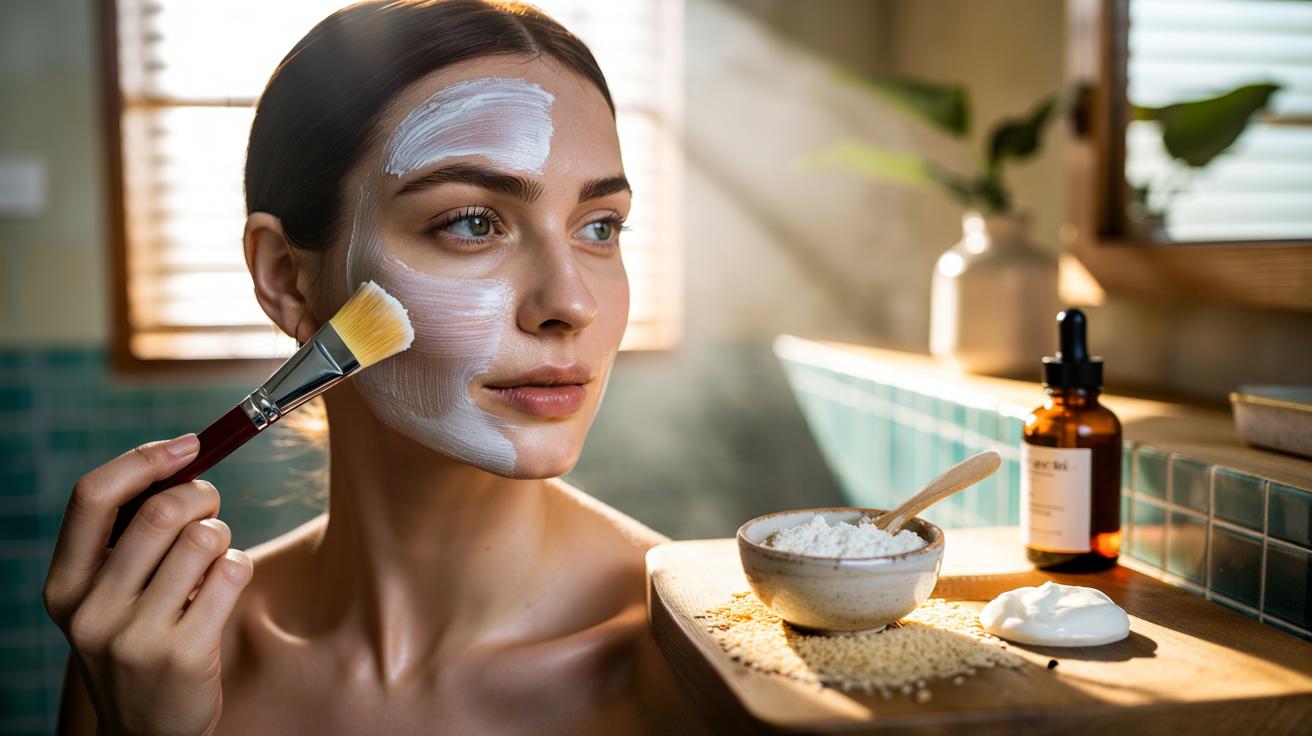
Stir 1 tablespoon rice flour with 1 tablespoon plain, unsweetened yogurt (Greek or set-style for a thicker paste). Optional add-ons: 1 teaspoon honey for extra slip and hydration or a drop of squalane if you’re dry. On clean, slightly damp skin, smooth a thin layer over face and neck, avoiding eyes and broken skin. Leave for 10 minutes if you’re sensitive, up to 15 minutes for resilient types. Before rinsing, wet fingertips and massage gently for 20 seconds to take advantage of the soft polish. Rinse with lukewarm water and follow with a bland moisturizer.
Frequency depends on skin: once weekly for sensitive or barrier-compromised, twice to thrice for oily or congestion-prone. Always patch-test on the jawline for 24 hours and stop if burning persists. Do not store the mixture at room temperature; if you must, refrigerate and use within 24 hours. Skip on days you use strong actives (retinoids, peels), and never combine with scrubs that contain sharp granules. Because AHAs can heighten sun sensitivity, apply broad-spectrum SPF daily. Those with dairy allergies should avoid; acne prone users can trial with yogurt low in added sugars.
Mask Versus Vitamin C Serums: Cost, Efficacy, And When To Use Each
Vitamin C serums—especially those with L-ascorbic acid—are proven antioxidants that help tackle free-radical damage and support collagen. Yet they’re notoriously unstable, can sting at low pH, and often cost a small fortune. The rice flour + yogurt mask shines in the real world by delivering immediate radiance through gentle exfoliation and oil control, with minimal fuss. For instant glow before a meeting or to smooth makeup application, this mask can outperform a fatigued or oxidised vitamin C bottle. For long-term protection against environmental stress, a well-formulated vitamin C still earns its place.
| Aspect | Rice Flour + Yogurt Mask | Vitamin C Serum |
|---|---|---|
| Primary Mechanism | Lactic acid exfoliation + soft polish | Antioxidant action + pigment regulation |
| Cost per Use | Very low | Moderate to high |
| Stability | Made fresh; no oxidation risk | Prone to oxidation and potency loss |
| Irritation Risk | Low to moderate; patch test | Moderate; low pH can sting |
| Speed of Results | Immediate smoothing and glow | Weeks for tone evening |
The smart move is complementarity: use the mask for texture and clarity days, and a stable vitamin C (or derivatives like sodium ascorbyl phosphate) for daytime defense. Sensitive users can alternate, keeping barriers happy while gradually brightening. If your hyperpigmentation is stubborn, consult a professional about azelaic acid, niacinamide, or prescription options.
From pantry to vanity, the rice flour + yogurt mask is a reminder that smart formulation beats flashy labels. It offers a fast track to clarity with ingredients your skin recognises, and it side-steps the pitfalls of unstable bottles and perfumed formulas. Used with sunscreen and patience, it can become a reliable cornerstone of a glow routine. If you try it, track changes with weekly photos and tweak frequency to suit your skin’s responses. Will you reserve this mask for big-event mornings, or make it a quiet Sunday ritual alongside a cup of tea and a good book?
Did you like it?4.5/5 (24)