In a nutshell
- ☝️ The one-finger rule means applying a full index-finger strip of sunscreen for the face, aligning with the lab standard of 2 mg/cm²; add another finger for the neck and ears, and choose broad-spectrum SPF 30+ with a high UK UVA star rating.
- 🛡️ Quantity beats SPF numbers: underapplying dramatically lowers real protection, letting UVA trigger wrinkles and dark spots, including indoors by windows.
- 🎯 Apply after moisturiser using the dot method, covering eyelids, hairline, ears, and creases; layer in thin coats to prevent pilling and pick textures (gel, fluid, mineral) you’ll consistently use.
- ⏱️ Reapply every 2 hours outdoors and after sweat/towel-drying; top up indoors near windows or while driving, and use powder/mist SPF over makeup; don’t forget hands and SPF lip balm.
- 🧭 Avoid pitfalls: don’t rely on low-SPF moisturisers or foundation, map missed zones, prioritise high UVA ratings, and support sunscreen with a wide-brim hat and shade habits for stubborn pigmentation.
The secret to a smoother, brighter complexion isn’t a 12-step routine—it’s a measured squeeze from a single finger. Dermatologists across the UK champion the one-finger sunscreen rule as an easy, memorable way to wear enough protection every day, even when skies are grey. A precise dose ensures you actually achieve the protection printed on the bottle, keeping UVA-driven wrinkles and hyperpigmentation at bay. Apply it daily, all year, regardless of weather or skin tone. The method suits busy mornings and sits comfortably under makeup, making consistent use far more likely. Here’s how to perfect the rule, why quantity is everything, and the common pitfalls that quietly undo even the most diligent routines.
What Is the One-Finger Rule?
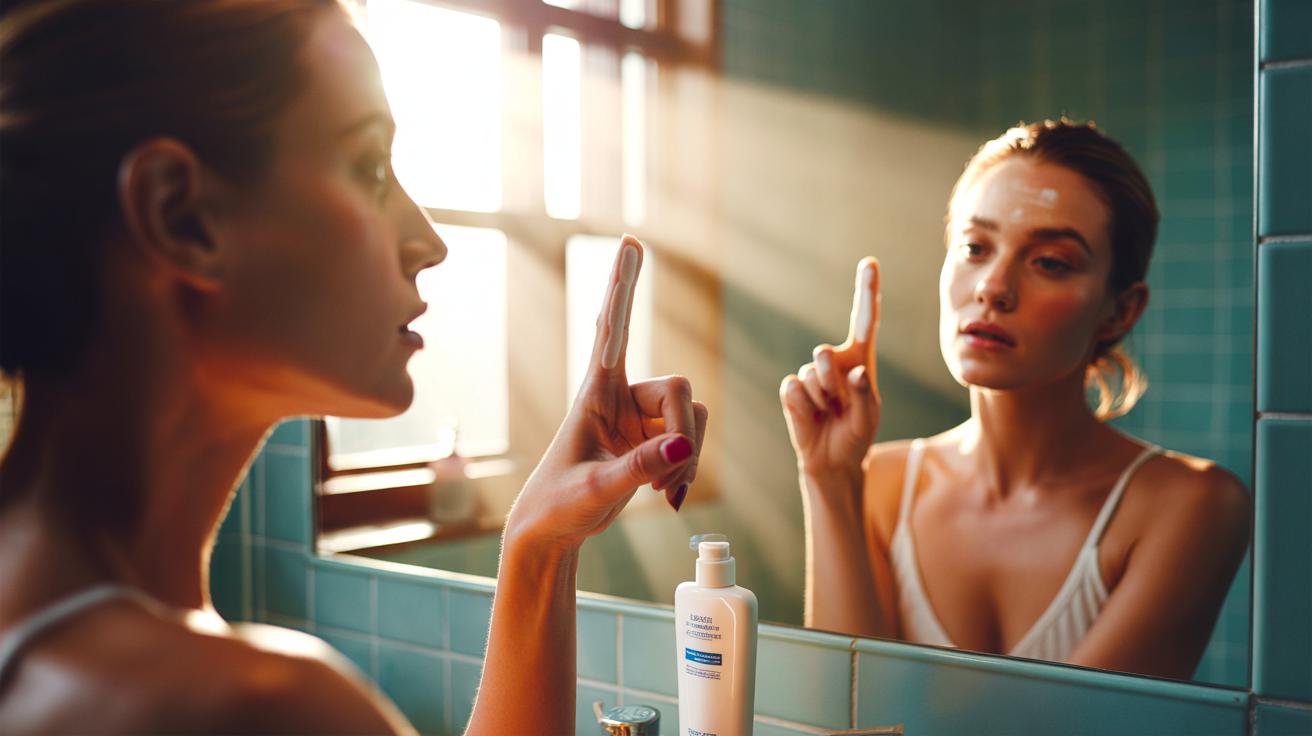
The one-finger rule means dispensing a generous strip of sunscreen along the full length of your index finger—from fingertip to base. That single line, typically around 0.5 g depending on the nozzle, is a smart daily target for the face alone. It aligns you more closely with the lab-tested application standard of 2 mg per cm², the condition under which SPF ratings are earned. Think of it as a built-in measuring spoon you always have with you. Choose a broad-spectrum formula with at least SPF 30 and, in the UK, a strong UVA star rating to shield against fine lines, blotchiness, and uneven tone.
If you’re also protecting your neck and ears, add another finger-length. For oily or makeup-heavy days, split your amount into two thinner layers to reduce pilling. Tinted mineral options can double as a light base, while modern chemical formulas offer an invisible finish on deeper skin tones. Consistency matters more than chasing a perfect texture—find a formula you enjoy, and you’ll actually use it.
| Area | Amount | Quick Guide |
|---|---|---|
| Face | 1 finger | Full index-finger strip |
| Neck + Ears | 1 finger | Add a second strip |
| Hands | Pea to marble size | Reapply after washing |
| Parted Scalp | 0.5 finger or spray | Focus on the parting |
Why Quantity Matters More Than SPF
It’s tempting to buy the highest number on the shelf and hope for the best. But the amount you apply is the real deal-maker. SPF is determined in labs using a precise quantity: 2 mg/cm². Apply far less, and real-world protection drops sharply, regardless of the advertised number. That’s why a disciplined one-finger measure for the face beats a haphazard dab of SPF 50. For pigmentation-prone skin, such as melasma, underapplying sunscreen can mean the slow return of dark patches even in winter, especially next to windows where UVA penetrates.
Quantity also affects texture and wear. A reliable dose spreads evenly, reducing missed patches that allow UV hotspots to form—prime zones for wrinkles around crow’s feet or brown spots on the cheekbones. If your skin feels greasy, swap formula types (gel, fluid, or silicone-based) rather than shrinking the amount. A comfortable formula you’ll use daily is better than a “perfect” one you avoid.
How to Apply It on Face, Neck, and Hands
After moisturiser, draw a full strip along your index finger. Dot it over the forehead, nose, cheeks, and chin, then blend until even—don’t forget the eyelids and the creases around the nose. Add a second finger-length for the neck and ears, moving from jawline to collarbones and behind the ears. If you wear makeup, allow sunscreen to settle for a minute; then apply base with a damp sponge to minimise disturbance. Use a lip balm with SPF on the vermilion border—an often-missed zone that ages faster.
Reapply every two hours outdoors, and after sweating or towel-drying. Indoors, top up at least once if you sit near windows or drive regularly. For touch-ups over makeup, use a powder or mist with documented UV protection, or pat a thin layer of your usual sunscreen with clean hands. Hands deserve their own habit: keep a travel-size tube in your bag or car and re-coat after washing. Daily diligence beats occasional heroics.
Common Mistakes and Smart Fixes
Skipping the hairline, ears, and the triangle between eyes and nose leaves classic sun “footprints” where brown spots collect. Correct it by mapping your routine: dot product methodically, then check in bright light for shine gaps. Another misstep is relying on moisturisers or foundations with low SPF—they rarely reach protective quantities. If you love hybrid products, apply your dedicated sunscreen first, then use tinted layers for finish and tone correction. Make sunscreen the non-negotiable base, not the optional extra.
Texture trouble leads many to underapply. Solve it by choosing lighter gels for oily skin, richer creams for dry types, or mineral formulas if you’re sensitive. Don’t forget UVA ratings: in the UK, look for a high star rating alongside SPF 30 or 50. If melasma or post-acne marks are your concern, pair sunscreen with a wide-brim hat and seek shade during peak hours. Small, repeatable habits build the long-term glow you actually notice.
For all the noise around skincare, the one-finger rule cuts through with clarity: a measurable dose, every morning, everywhere the light reaches. By prioritising quantity, choosing a comfortable broad-spectrum formula, and topping up with simple tools, you create a dependable shield against wrinkles and dark spots. It is a habit that suits any budget, any routine, any weather. Let the finger-length guide free you from guesswork and make protection automatic. Which small change—formula, timing, or technique—will help you commit to your one-finger sunscreen ritual starting tomorrow?
Did you like it?4.5/5 (20)