In a nutshell
- 🔬 The lemon peel + sugar scrub pairs citric acid with coarse abrasion to strip the protective pellicle and lift extrinsic stains, creating a quick but often superficial brightness.
- ⚠️ Significant risks include enamel erosion, heightened sensitivity, and gingival irritation; sugar also fuels acid-producing bacteria, accelerating wear and re-staining.
- 🎭 Results can mislead: the shine often comes from pellicle removal and surface smoothing, not true shade change; acid cannot distinguish between stain and tooth and won’t fix intrinsic discolouration.
- ✅ Safer alternatives target stains without sacrificing enamel: low-abrasive whitening toothpastes with fluoride, calibrated peroxide strips or trays, and professional cleaning/whitening.
- 🕒 Practical habits help: limit acidic sips, rinse after coloured drinks, see a hygienist, and wait ~30 minutes after acids before brushing so saliva can buffer and reharden enamel.
From kitchen-sink beauty hacks to viral clips, the lemon peel + sugar scrub promises to “whiten in days”. Adherents say the citric acid in lemon lifts discoloration while sugar crystals buff away stains, revealing a brighter smile fast. There is a kernel of science here: acid can soften surface deposits and abrasion removes them. Yet the same forces act on tooth structure, not just stains. Enamel does not regrow once it is worn away, and gums don’t appreciate harsh scrubbing either. Here’s how the trick seems to work, why results can mislead, and the safer routes to a white smile that last beyond a weekend.
What the Lemon Peel and Sugar Scrub Claims to Do
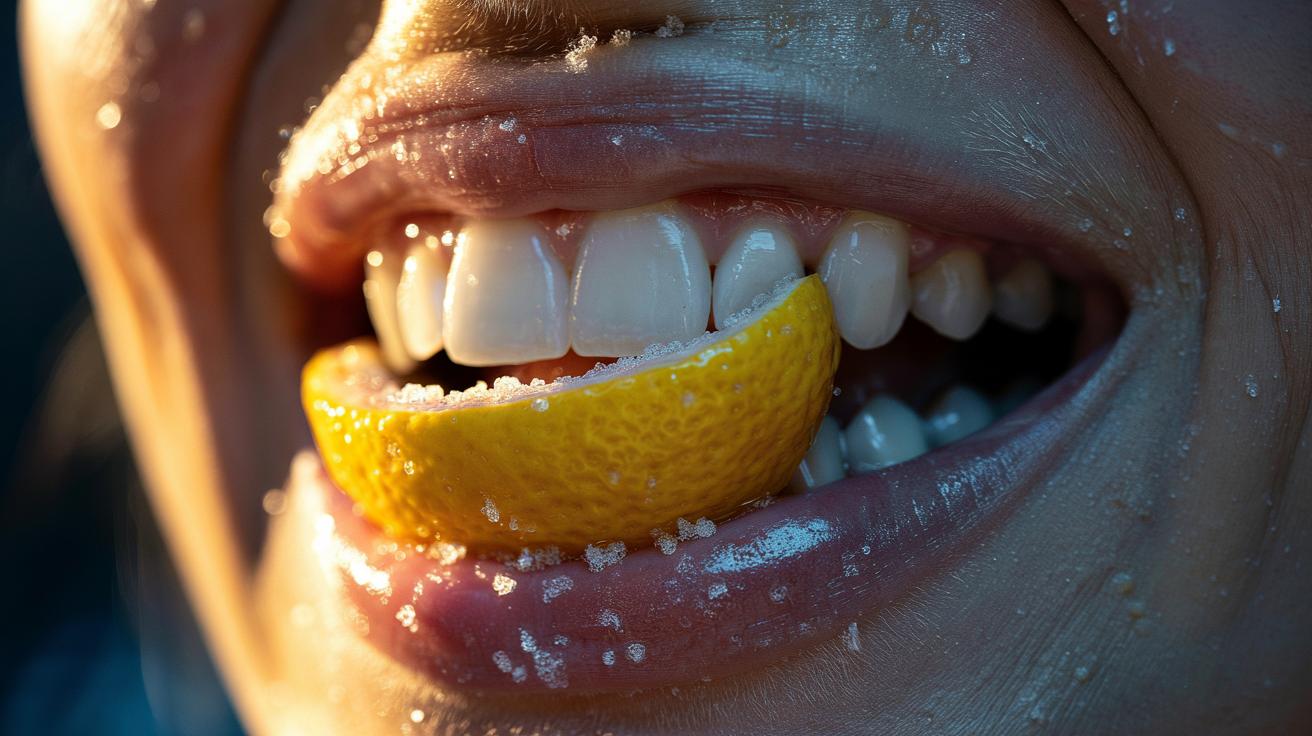
The pitch is disarmingly simple: rub lemon peel, rich in citric acid and aromatic oils, across teeth, then add a sugar scrub to sweep away the loosened stains. Fans report coffee and tea marks fading, with teeth looking a shade lighter in just a few attempts. The immediate sheen often comes from stripping the protein pellicle—the ultra-thin film that naturally coats enamel—and polishing the surface so it reflects light more evenly. That optical boost can resemble true whitening even if no deep colour change happens.
Advocates also point to a “smoother feel” and a fresher taste. Yet these sensory wins can mask what’s going on beneath. Lemon’s low pH can temporarily soften enamel and dentine, while coarse crystals scour the surface. Combined, that can dislodge pigmented residues on the outer layer, known as extrinsic stains. It is not a remedy for intrinsic discolouration caused by age, medication, or enamel thinning, which requires supervised whitening chemistry, not kitchen-shelf acids.
How Acid and Abrasion Lift Surface Stains
Tooth surfaces are coated by a salivary pellicle that quickly absorbs pigments from coffee, tea, red wine, and tobacco. Lemon’s citric acid (pH roughly 2) can demineralise the outer enamel and break down the pellicle, loosening those pigments. At the same time, sugar granules act as a crude abrasive, akin to a very high RDA (Relative Dentin Abrasivity) paste without the stabilisers and protective fluoride found in regulated toothpastes. Once the softened film is disturbed, mechanical rubbing wipes away coloured debris, making teeth look cleaner.
The catch is selectivity. Acid cannot distinguish between stain and tooth. When enamel is softened, any abrasive—especially large, irregular sugar crystals—can scratch and wear it. Repeated assaults erode mineral, flatten microscopic ridges that scatter light pleasingly, and expose the yellower dentine beneath, the opposite of the intended effect over time. Professional products balance oxidation (to break pigment bonds) with controlled abrasivity and enamel support; a citrus-sugar duo offers none of that control.
Real Risks: Enamel Erosion, Sensitivity, and Gum Irritation
Enamel is the body’s hardest tissue, yet acids dissolve it. Frequent citric acid exposure lowers the mouth’s pH, tipping the balance towards demineralisation. Add abrasive scrubbing and you invite micro-scratches and cumulative erosion. The result can be lingering sensitivity to cold, sweets, and brushing, plus a paradoxical darker tooth shade as thinning enamel reveals the underlying dentine. Short-term brightness can mask long-term loss.
Sugar brings a double drawback. Beyond its grit, it feeds oral bacteria that produce more acids, raising caries risk just when softened enamel is most vulnerable. Lemon peel’s fragrant oils may irritate delicate gingival tissues; vigorous rubbing can create recession-prone areas where the root surface is exposed. Dentists warn that these home remedies often leave patients with rougher enamel that re-stains faster, prompting a damaging cycle of repeat scrubbing.
Timing matters too. Brushing or scrubbing immediately after acidic exposure worsens wear because the enamel surface is softened. Even swishing water and waiting for saliva to re-balance pH is safer than scrubbing straight away. For those with existing erosion, active decay, orthodontic appliances, or gum disease, the risks multiply—and the potential bill later can dwarf any DIY thrill.
Safer Ways to Get a Brighter Smile
If your goal is a cleaner-looking smile, target stain chemistry, not enamel. Low-abrasive whitening toothpastes use controlled polishing agents and, often, peroxide or blue covarine to alter light reflection without stripping tooth structure. Daily fluoride supports remineralisation, making future stains less tenacious. For lift beyond surface stains, well-made peroxide strips or trays—used as directed—break pigment bonds more selectively. Professional cleaning removes plaque and calculus that hold pigments, and in-surgery whitening calibrates dose, time, and enamel protection.
| Method | Mechanism | Speed | Main Risks | Typical Result |
|---|---|---|---|---|
| Lemon + Sugar Scrub | Acid softening + coarse abrasion | Fast visual change | Enamel erosion, sensitivity, gum irritation | Short-lived brightness; faster re-staining |
| Whitening Toothpaste | Controlled abrasives; optical agents | Weeks | Low if RDA is moderate | Mild surface stain removal |
| Peroxide Strips/Trays | Oxidises intrinsic pigments | Days to weeks | Temporary sensitivity | Noticeable shade change |
| Professional Whitening | Clinician-controlled peroxide | One to two sessions | Managed sensitivity | Predictable, longer-lasting whitening |
Lifestyle tweaks help too: limit frequent sips of acidic drinks, rinse with water after coloured beverages, and keep up hygienist visits. If you do consume acids, wait at least 30 minutes before brushing to allow saliva to buffer and enamel to reharden. The safest whitening is the one that preserves enamel while lifting stains—not a quick fix that trades gloss for loss.
The lemon peel and sugar scrub trend shows how a little science can be spun into a seductive shortcut. Yes, acid + abrasion can shift surface stains, but they also chip away at the very enamel that makes teeth look white. If a brighter smile is the aim, choose methods that protect as they polish, and seek personalised advice when in doubt. With your own habits and oral history in mind, what’s the smarter, sustainable step you’ll take this week to brighten your smile without sacrificing enamel?
Did you like it?4.7/5 (25)