In a nutshell
- 🍵 A cold green tea splash reduces morning puffiness via caffeine-driven vasoconstriction, chilled-induced capillary tightening, and anti-inflammatory EGCG, nudging fluid back into vessels and aiding light lymphatic drainage.
- 🧊 Preparation: brew quality green tea at ~80°C for 3–4 minutes, cool quickly, refrigerate up to 48 hours; avoid additives; concentrated cubes can be thawed for a brisk, astringent boost.
- 👁️ Application: press soaked pads along the orbital bone for 60–90 seconds, sweep outward, then a full-face splash; let a thin film dry before moisturiser and SPF for a tighter look within 3–10 minutes.
- ⏱️ What to expect: results are real yet temporary; combine with elevated sleep, reduced evening salt, and a caffeine eye cream to extend the de-puffing effect through the morning.
- ⚠️ Caution: patch-test if you have rosacea or sensitive skin, avoid broken skin and the lash line, use fresh tea to prevent irritation, and consult a GP if puffiness persists with systemic symptoms.
Bleary eyes, pillow-creased cheeks, and a face that looks like it slept in: mornings can be unforgiving. Enter the cold green tea splash, a deceptively simple ritual promising to flatten swelling in the time it takes your kettle to cool. Powered by caffeine and antioxidant-rich catechins, chilled tea tightens blood vessels and nudges excess fluid away from the surface. A 30‑second rinse or compress can make eye bags and cheek puffiness look visibly reduced within minutes. It is low-cost, portable, and pleasantly bracing — a skincare shortcut that pairs physiology with a dash of kitchen alchemy, without the sticky residue of many creams.
What Caffeine Does to Puffy Skin
When skin looks ballooned first thing, the culprit is often fluid pooling in the thin tissues around the eyes and cheeks. Caffeine antagonises adenosine receptors, prompting local vasoconstriction. Narrower vessels leak less plasma into surrounding tissue, which means less puff. The cold temperature compounds the effect by shrinking capillaries and slowing microcirculation. This one-two of chill plus caffeine reduces hydrostatic pressure and helps fluid slip back into the vessels rather than sitting under the skin. The result: a tighter look and brighter tone, fast enough to fit between brushing teeth and catching the train.
Green tea brings more than a caffeine kick. Its catechins, especially EGCG, calm inflammatory messengers that make morning swelling linger, while tannins offer a light astringent effect that feels instantly firming. A mild diuretic action exists with ingested caffeine, but the de-puffing here is overwhelmingly local. Think of it as a prompt to natural lymphatic drainage, not a magic wand. Expect a visible, temporary refresh — a practical fix for big days and small hours.
How to Prepare a Cold Green Tea Splash
Use quality, unscented green tea — loose leaf or plain bags. Brew 2 teaspoons (or 2 bags) in 200 ml water at about 80°C for 3–4 minutes to preserve catechins without excess bitterness. Strain, then cool rapidly: set the mug in a bowl of ice for 10 minutes before refrigerating. Decant into a clean glass bottle and keep for up to 48 hours. Keep it cold, not frozen, to avoid capillary damage and irritation. For the speediest mornings, freeze some in an ice tray and thaw a cube into cool water for a concentrated splash.
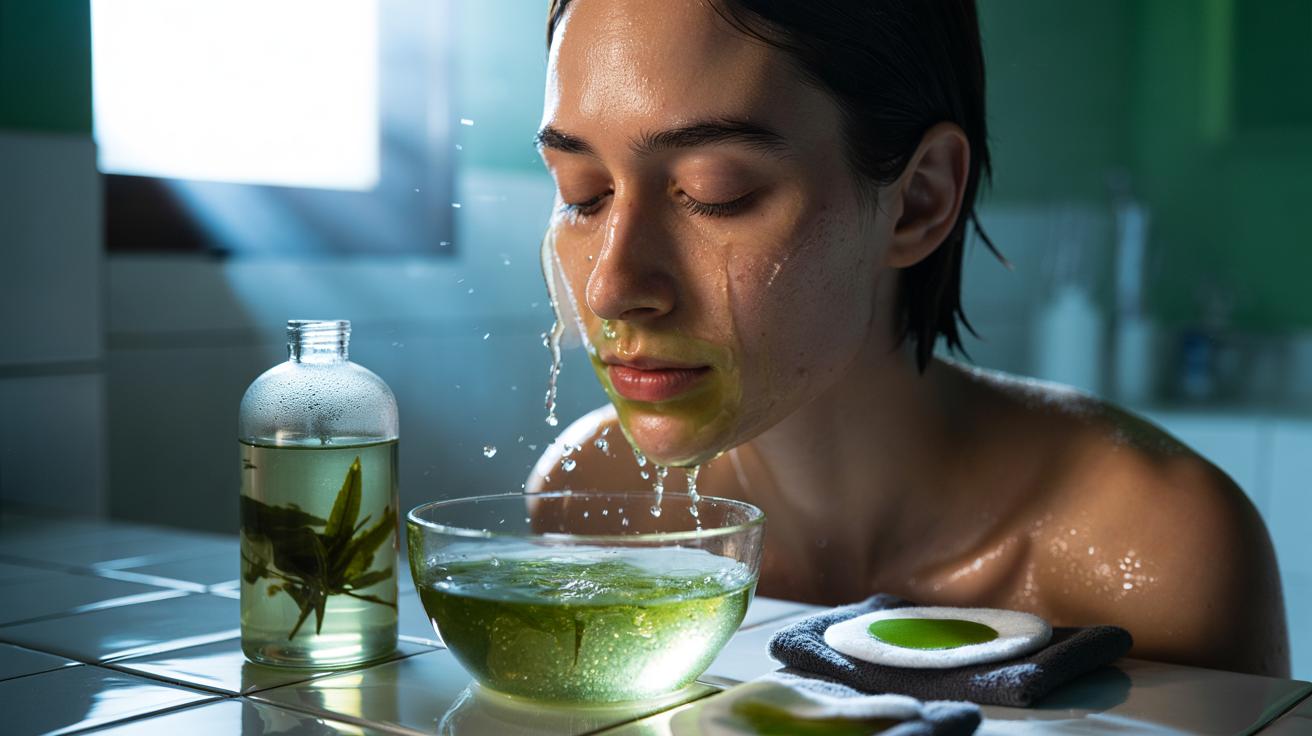
Application matters. Rinse your face, then drench cotton pads in the chilled tea and press along the orbital bone for 60–90 seconds per eye, sweeping outward to encourage gentle flow. Finish with a full-face splash, letting a thin film air-dry before moisturiser and SPF. Avoid adding lemon, sugar, or essential oils, which can sting. Do not pour tea directly into the eyes — keep contact to the skin only. If you wear lenses, apply before putting them in.
Evidence, Timing, and What to Expect
Cold compression has long-standing clinical backing for swelling, and caffeine is a staple of periorbital gels for swift tightening. Green tea’s polyphenols amplify the soothing effect, particularly where late nights, salty dinners, or hay fever have added to fluid load. Most people notice a change within 3–10 minutes: skin feels tauter, colour looks more even, and under-eye hollows cast fewer shadows because puffiness is down. The effect is real yet transient, best viewed as a smart reset rather than a permanent fix. Pairing the splash with elevated sleep and reduced evening salt extends the benefit.
| Mechanism | What It Does | Typical Timing | Practical Tip |
|---|---|---|---|
| Caffeine vasoconstriction | Limits capillary leakage | 2–5 minutes | Use a stronger brew for mornings after late nights |
| Cold exposure | Tightens vessels, numbs irritation | Immediate | Chill to fridge temperature, not icy |
| EGCG anti-inflammatory | Quiets redness and swelling | 5–15 minutes | Steep at ~80°C to protect catechins |
| Tannins/astringency | Temporary skin firming | 1–3 minutes | Don’t rinse immediately; allow a brief film to dry |
Consistency counts: a quick splash daily after cleansing can keep morning swelling on a shorter leash. On sluggish days, combine with a light fingertip massage along the cheekbones and temples to encourage movement in the superficial lymph system. Look for eye creams with added caffeine to maintain the lifted look once you head out, sealing in the tea’s brisk start with something longer-lasting under makeup.
Who Should Be Cautious and When It Fails
Sensitive or very dry skin can feel tight after tannins; follow with a gentle, fragrance-free moisturiser. Those with rosacea or eczema should patch-test on the jawline first, and keep exposure short to avoid barrier stress. Tea can stain pale fabrics; use dark towels. If you are allergic to caffeine or tea, skip this method entirely. Never apply to broken skin, and keep liquids away from the lash line. Contact lens wearers should splash before lenses go in, and anyone prone to styes should use fresh tea each time to maintain hygiene.
Sometimes puffiness is not fluid but fat herniation or lax skin; in that case, topical tricks offer limited change. Persistent morning swelling alongside breathlessness, new headaches, or leg oedema warrants a GP check to rule out systemic causes. Alcohol, late-night salt, and poor sleep are classic amplifiers. Swap a salty dinner for a lighter one, sleep slightly elevated, and keep a small bottle of cold green tea in the fridge for fast insurance.
A chilled green tea splash is simple physiology translated into a bathroom ritual: caffeine tightens, cold calms, and polyphenols soothe, leaving skin less puffy and more awake before the kettle has cooled. It is inexpensive, low risk, and refreshingly effective for busy mornings and travel days alike. Use it as a reliable reset while you work on the lifestyle levers that keep swelling from returning. How will you fold this brisk, brew-based de-puffer into your morning routine — and what small changes could make its lift last even longer?
Did you like it?4.4/5 (29)