In a nutshell
- 🌿 A nightly dab of castor oil conditions brows, reducing breakage and boosting shine; its star nutrients are ricinoleic acid and vitamin E, which help arches appear denser.
- 🔬 It supports the skin barrier and follicle microenvironment, aligning with the hair cycle—anagen, catagen, telogen; possible links to prostaglandin pathways exist, but human brow evidence is limited.
- 🧴 Apply a cold‑pressed, hexane‑free oil as a whisper-thin film with a clean spoolie, avoid eyes, and patch test first—here, less is more to prevent clogged pores or irritation.
- ⏳ Expect fuller-looking brows in 6–8 weeks from stronger hairs; potential new growth may take 8–12 weeks, and inactive follicles won’t be reactivated—consistency is key.
- 🧰 Consider peptide serums, tinting, lamination, or microblading for extra oomph, and see a GP if brow loss is sudden or patchy to assess thyroid, iron, or autoimmune causes.
Beauty editors have whispered about it for years: a single evening dab of castor oil can make sparse brows appear lusher. This time-honoured pantry staple owes its cult status to a cocktail of fatty acids and antioxidants that condition the hair fibre and nurture the skin beneath. Consistency, not quantity, is the quiet magic here. By supporting the brow’s delicate growth cycle and protecting fragile strands from snapping, castor oil helps arches look denser without resorting to harsh measures. Here’s how its ricinoleic acid-rich makeup may encourage fuller-looking brows, the safest way to apply it, and what expectations to set before you start.
Why Castor Oil Helps Brows Look Thicker
At the heart of castor oil’s reputation is ricinoleic acid, a unique omega‑9 fatty acid that forms the bulk of the oil. This rich, viscous texture acts as an occlusive veil, reducing water loss from the skin and hair shaft. Better hydration means more flexible brow hairs, which are less likely to break. Fewer snapped ends equal a visibly fuller line. The oil’s natural vitamin E and phytonutrients also help defend hairs from environmental stress, keeping each strand smooth, aligned, and light-reflective for a thicker effect.
There’s a second benefit that’s often overlooked: the skin barrier beneath your brows. Well-moisturised skin provides a calmer, more supportive environment for the hair follicle. Gentle nightly massage with a drop of oil can also encourage local microcirculation, distributing nutrients where they’re needed. While castor oil isn’t a drug and doesn’t “switch on” follicles, it can optimise the conditions that make existing hairs look robust. Think conditioning and protection first; stimulation is a hopeful bonus.
Nutrients and Follicle Physiology
Eyebrow hairs cycle through anagen (growth), catagen (transition), and telogen (rest). Brows have relatively short anagen phases, which is why growth appears slower than on the scalp. The fatty acids in castor oil support the stratum corneum, helping maintain a stable microenvironment around follicles. Massage can enhance superficial blood flow, and the oil’s antioxidants may offset oxidative stress that can make hairs brittle. Some laboratory research suggests ricinoleic acid may influence prostaglandin pathways, but evidence in human brows remains limited, so expectations should remain measured.
What castor oil reliably delivers is stronger, more supple hairs that stay put. That alone can transform sparse arches into cleaner, denser-looking lines. If nutrition or hormones are driving thinning, address those upstream factors with a clinician. Below is a concise snapshot of what’s in the bottle and why it helps the look and feel of brows.
| Component | Potential Action | Benefit to Brows | Evidence Level |
|---|---|---|---|
| Ricinoleic acid (ω‑9) | Occlusive hydration, anti-irritant profile | Reduces breakage; smoother, glossier hairs | Cosmetic/biochemical support |
| Vitamin E | Antioxidant protection | Defends hair fibre from oxidative stress | Cosmetic/ingredient data |
| Other fatty acids | Barrier support, emolliency | Comforts skin, supports follicle environment | Well established in skincare |
How to Apply Safely and Effectively
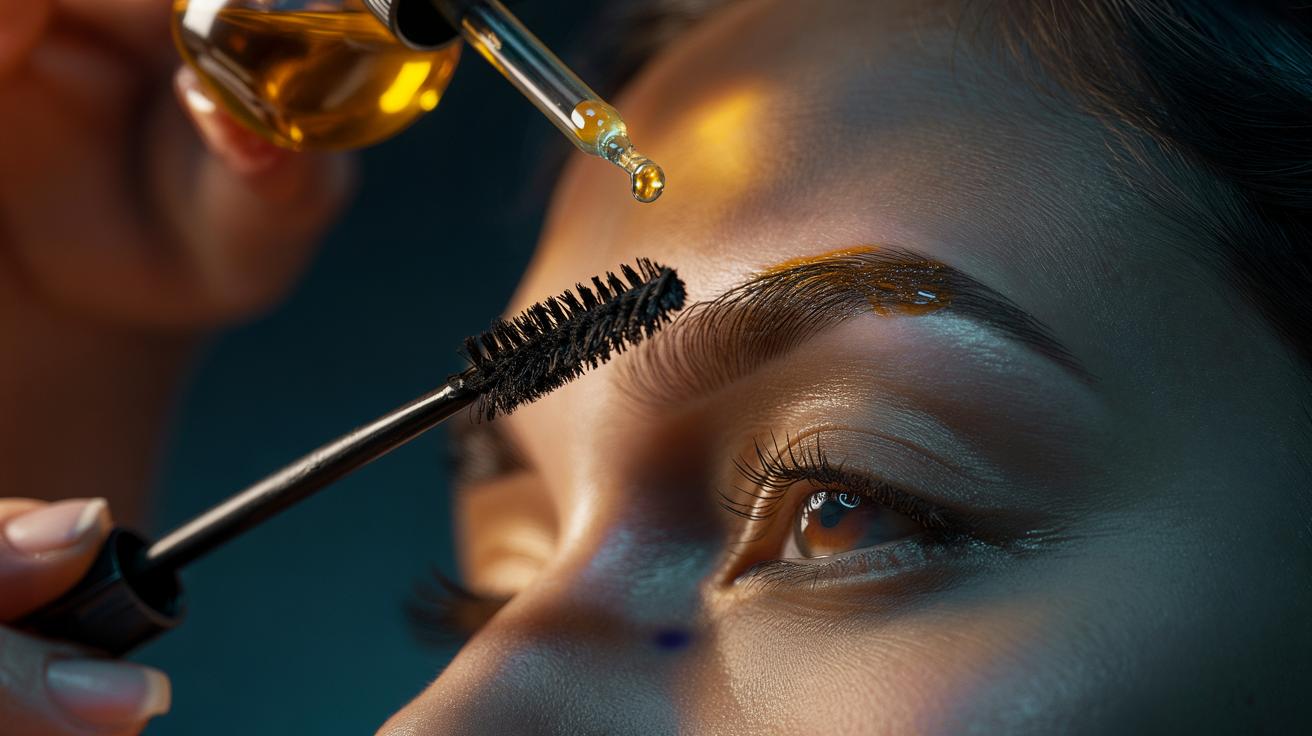
Choose a cold‑pressed, hexane‑free castor oil and decant a pea-sized amount into a clean dish. After cleansing at night, dip a sterile spoolie or cotton bud lightly into the oil, then wipe excess on a tissue. Brush through the brow in hair direction and against it to coat evenly, avoiding the lash line and eyes. With castor oil, less is more—aim for a whisper-thin film. Wash your spoolie daily and your pillowcase weekly to prevent residue buildup.
Run a 24‑hour patch test on the inner arm first; some people develop irritation or blocked pores. If you have acne-prone or seborrhoeic skin, limit to three nights a week and monitor. Contact lens wearers should apply at least an hour before bed. Stop if stinging, redness, or swelling occurs and seek professional advice. For best results, pair use with gentle brow brushing, a protein-rich diet, and sensible stress management—true growth depends on overall health too.
Expectations, Timelines, and Alternatives
Patience is your ally. Many users report a fuller-looking shape from improved hair integrity in 6–8 weeks, as fewer hairs snap and existing strands lie more uniformly. New growth, where possible, follows the brow’s natural cycle and may take 8–12 weeks to show. If follicles are scarred or inactive, no cosmetic oil can restart them. Castor oil is best viewed as a low-cost, low‑risk conditioner that enhances what you have while you wait for the cycle to do its quiet work.
If you want added oomph, consider peptide-based brow serums, tinting for instant depth, or professional options like laminations that align hairs for a denser look. Microblading can artfully fill gaps but demands careful aftercare and a reputable technician. Sudden or patchy brow loss warrants a GP or dermatologist visit to rule out thyroid, iron, or autoimmune issues. Keep perspective: a £6 bottle and nightly ritual may rival pricier serums when consistency is on your side.
Castor oil won’t rewrite biology, yet it consistently elevates the condition, sheen, and resilience of eyebrow hairs, making sparse arches appear softer and fuller. The winning formula is simple: a clean product, a light hand, and steady, nightly use. Treat brows like a fabric you cherish—hydrate, protect, and be patient. If you try the “one‑drop” routine for two months, track your progress with weekly photos under the same light. What small tweaks—application tools, frequency, or pairing with a peptide serum—might help you craft your own fuller-arches ritual?
Did you like it?4.4/5 (24)