In a nutshell
- 🧴 The aloe gel + sugar scrub pairing removes old fake tan gently: gel adds slip and hydration while sugar lifts pigment, reducing irritation and micro‑tears.
- 🔬 Science check: self‑tan’s DHA melanoidins sit in the stratum corneum; aloe’s humectant polysaccharides (incl. acemannan) loosen bonds, while water‑soluble sugar offers self‑limiting exfoliation.
- ⚖️ Mixing guide: start with a 2:1 gel‑to‑sugar ratio, use fine caster sugar, add glycerin if needed, avoid heavy oils; make small fresh batches and patch test sensitive skin.
- 🚿 Method: warm soak, apply in light circles, 60‑second dwell for hydration, re‑apply small amounts as sugar melts, rinse cool, then moisturise with ceramides or glycerin; wait ~4 hours before re‑tanning.
- 🗺️ Targeted tips: smoother mix for face/decolleté, standard grit for body, slightly grittier and brief contact on stubborn joints (wrists, elbows, ankles) for an even reset.
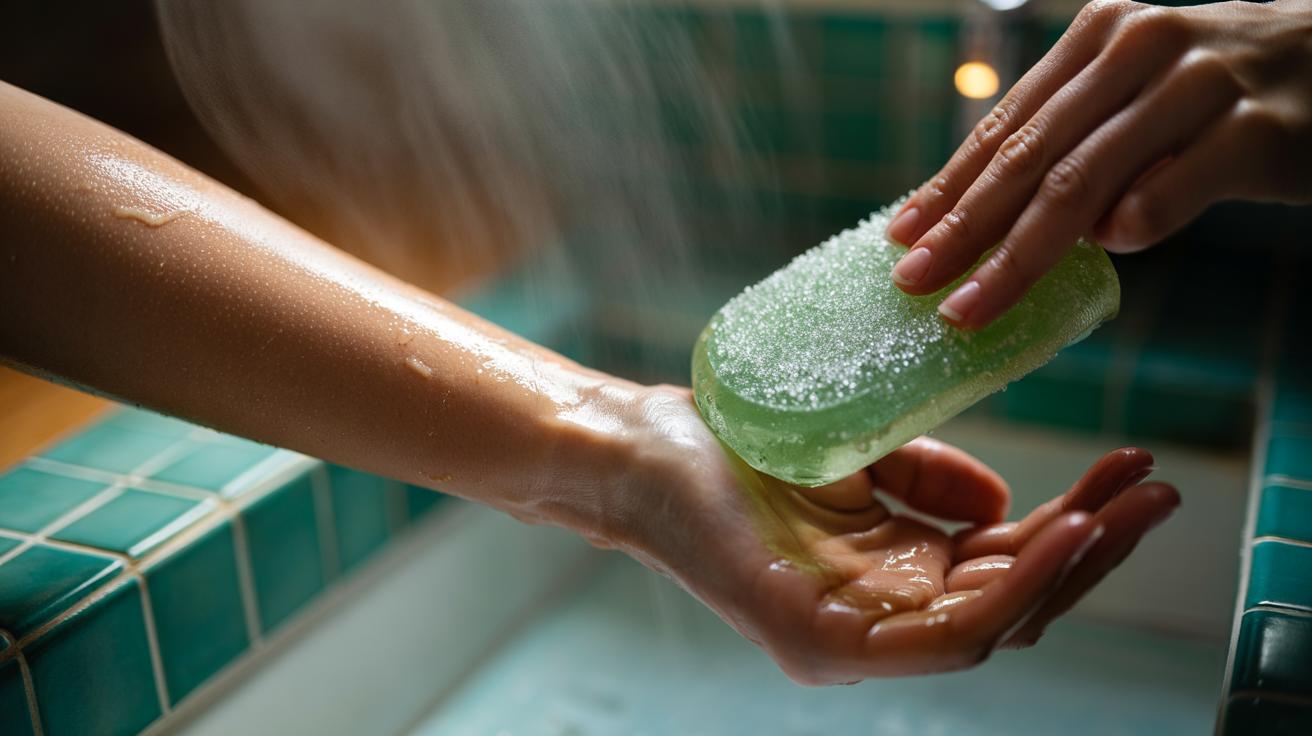
Patchy ankle shadows, stubborn elbow stains, tell‑tale wrists—old fake tan can cling where skin is driest. The smart fix is disarmingly simple: a cooling aloe gel blended with fine sugar scrub. The gel lends slip and hydration, the crystals do the lifting, and together they erase last week’s bronze without the burn. Because the gel cushions grit, you exfoliate the tan, not the living skin beneath. This low-tech pairing suits tight schedules and sensitive types alike, working in the shower without special mitts or acids. Here’s how it works, how to mix it, and how to use it for an even reset before your next glow.
Why Aloe Gel Changes the Exfoliation Game
The magic is in the gel’s slip and water content. Aloe’s humectant polysaccharides (notably acemannan) pull moisture into the stratum corneum, softening bonds between dead cells. As the skin surface hydrates, fine sugar crystals glide instead of gouge. Less friction means fewer micro‑tears and virtually no post‑shower sting. Because sugar is water‑soluble, it gradually melts, automatically moderating abrasion. That self-limiting action is ideal for uneven tan build-up: you get lift where you need it, while freshly hydrated areas see gentler contact.
There’s also a temperature and pH advantage. Cool aloe gel calms heat-prone patches and sits near skin’s natural pH, so you’re not compounding irritation with acids or soaps. Glycoproteins in aloe help soothe after minor friction, and the gel’s film-forming nature creates a thin buffer over creases—wrists, ankles, the neck—where old tan settles. The result is controlled exfoliation that targets old DHA pigment while preserving skin’s moisture barrier. It feels like a spa polish without the over-scrubbed aftermath.
How to Mix the Perfect Aloe + Sugar Scrub
Use a clear, alcohol‑free aloe vera gel and fine white caster sugar for a balanced polish. Start with a 2:1 gel‑to‑sugar ratio, then adjust: add sugar for grip on knees and ankles, or more gel for delicate areas. Mix only what you need; freshness keeps the glide and avoids microbial growth. Optional: a drop of fragrance‑free glycerin for extra humectancy, or a tiny pinch of table salt to slow melting in the shower. Avoid heavy oils; they reduce traction and can smear pigment rather than lift it cleanly.
| Area | Gel | Sugar | Texture Tip |
|---|---|---|---|
| Body (general) | 2 tbsp | 1 tbsp | Smooth, moderate grit |
| Face/decolleté | 1½ tbsp | ½ tbsp (very fine) | Silky, low abrasion |
| Stubborn joints | 1 tbsp | 1 tbsp | Grittier, short contact |
Blend in a clean bowl, apply immediately. If you must store, refrigerate in a sealed jar for up to 24 hours and remix before use. Always patch test on the inner forearm if your skin is reactive or recently shaved.
Step-by-Step: Remove Old Fake Tan Without Redness
First, soak. Take a warm—not hot—shower for five minutes to soften the outer layer. Turn off the water and pat until skin is just damp. Smooth a walnut‑sized amount of the aloe + sugar scrub over one limb at a time. Use light, circular motions, increasing pressure only where the tan is darkest. Let the gel sit for 60 seconds so humectants can plump the surface; then resume gentle polishing. As the sugar starts to melt, re‑apply a small amount to maintain traction rather than pushing harder.
Rinse thoroughly and feel for any “grabby” patches. For wrists, ankles, and elbows, make short, slow strokes rather than vigorous scrubbing. A soft washcloth can help lift loosened pigment without adding grit. Finish with cool water to calm the skin. Pat dry, then seal with a fragrance‑free moisturiser rich in ceramides or glycerin. Wait at least four hours before re‑tanning so the skin surface normalises and lotion fully absorbs.
Science Check: Why It Lifts DHA Yet Spares Your Skin
Self‑tan colour comes from DHA reacting with amino acids in the outermost layer to form brownish melanoidins. These pigments sit in dead cells destined to shed. Mechanical exfoliation is the most direct way to remove them. Fine sugar particles disrupt corneocyte clusters; water solubility prevents “over‑grit” damage. Meanwhile, aloe’s polysaccharides draw moisture into these cells, causing mild swelling that loosens bonds and speeds release. Hydrate, lift, rinse—no acids required.
Because the stratum corneum is cushioned by the gel, force disperses across a slick film rather than digging into micro‑fissures. The near‑neutral pH respects barrier enzymes, reducing the risk of tightness or rebound dryness. You’re essentially accelerating normal desquamation where DHA has accumulated. For eczema, sunburn, or active irritation, pause exfoliation and focus on barrier repair; this scrub is gentle, but not a treatment for compromised skin. The goal is even removal today and a smoother canvas for tomorrow’s tan.
Used well, the aloe + sugar method is fast, cheap, and remarkably kind to skin, turning a patchy fade into a clean slate in one shower. Aloe gel hydrates and protects; sugar does precise, dissolving work; together they deliver control instead of chaos. Keep the mix fresh, use light pressure, and let time—sixty patient seconds—do part of the job. That’s how you erase old tan and keep your barrier happy. What tweaks will you try first: a finer grain for the face, a grittier blend for ankles, or a chilled gel for extra calm—what’s your plan for your next tan reset?
Did you like it?4.7/5 (23)