In a nutshell
- 🧪 Re‑dampening reactivates old styling polymers while salts add micro‑texture, reforming day‑3 curls into renewed bounce without a full wash.
- 🧴 Ingredient balance matters: sodium chloride for grip vs magnesium sulfate for curl tightening; pair with glycerin, aloe, and light film‑formers (e.g., PVP/VP‑VA) and avoid high levels of drying alcohols.
- 🌬️ Technique is everything: light, targeted misting on mid‑lengths and ends, then scrunch, finger‑coil stubborn sections, and use a cool diffuser; precision beats saturation.
- 🌡️ Adapt to climate and porosity: in dry air, add humectants or a touch of cream; in humidity, choose low‑humectant formulas and lean on polymers; think by dew point, not temperature.
- 🛏️ Keep results lasting: clarify occasionally to prevent build‑up, protect overnight with a loose pineapple/silk pillowcase, and refresh lightly 2–3 times between washes.
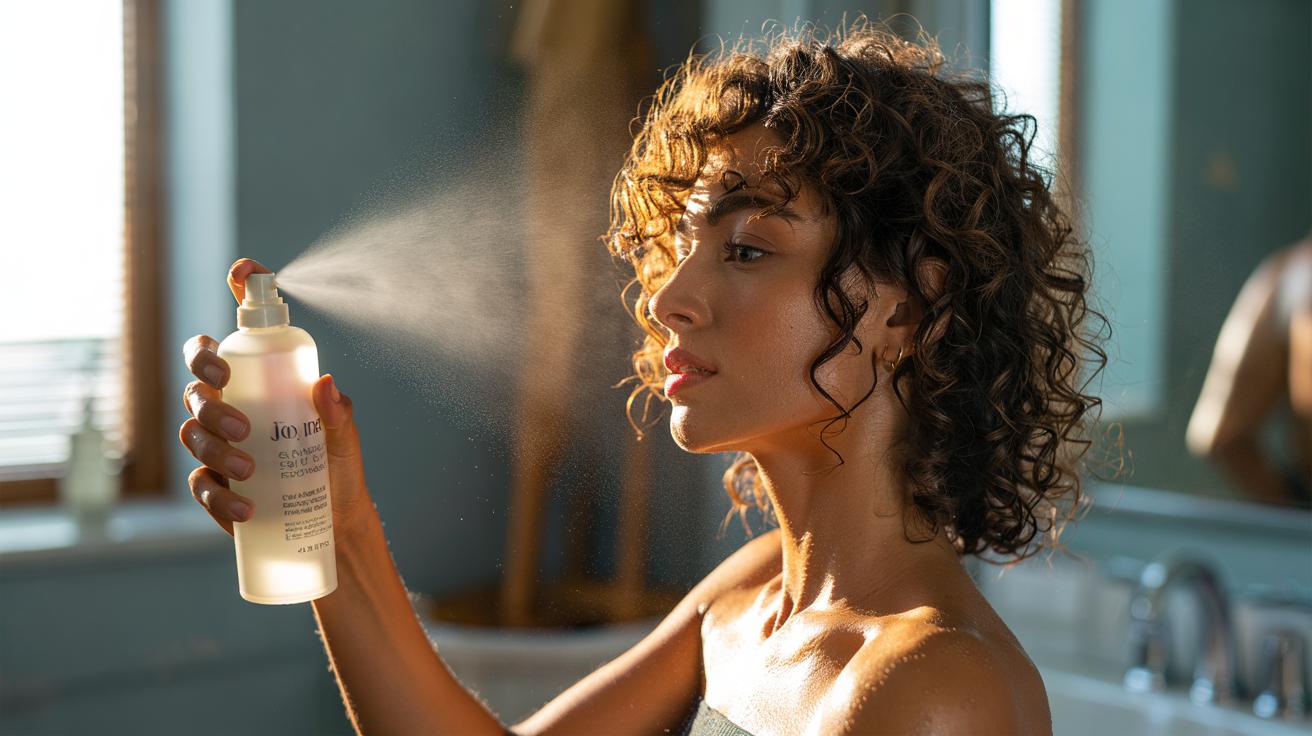
By day three, curls often teeter between lived‑in chic and limp fatigue. A well‑formulated salt spray can flip that script, reawakening shape and spring without a full wash. Think of it as a reset button that coaxes pattern back to life while adding a lightly windswept finish. Unlike heavy creams, these mists lean on salts, humectants, and film‑formers to revive definition, curb flat roots, and add soft grip. Used judiciously, salt spray can restore bounce while keeping touchability intact. The trick lies in understanding the chemistry, choosing the right ingredients for your hair type, and applying with restraint. Here’s how it reactivates day‑3 curls—and how to make it work for you.
How Salt Sprays Wake Sleeping Curls
Salt sprays hinge on a simple premise: re‑dampen old styling and add micro‑texture so curls reform. Water in the formula reawakens yesterday’s polymers—those light hold agents that soften and reset when moistened—while salts such as sodium chloride or magnesium sulfate create a faintly gritty matrix that encourages strands to interlock. It is not magic; it’s chemistry you can feel. As the mist evaporates, re‑set curls dry into renewed spirals, often with better root lift than a plain water spritz could deliver.
At moderate humidity, salts help hair draw in a whisper of moisture, enhancing clump formation and spring. They also roughen the cuticle slightly, boosting volume and grip. The best formulas balance this with humectants (like glycerin) and conditioning agents that blunt dryness. The result: revived pattern, a hint of beachy texture, and a touchable finish. Used sparingly, this interplay can restore bounce without crunch or frizz, especially on wavy to curly types that deflate by day three.
Ingredients That Make or Break Bounce
Not all “sea salt” mists are created equal. Sodium chloride builds texture but can feel drying; magnesium sulfate tends to tighten curl formation with less brittleness. Lightweight film‑formers such as PVP or VP/VA provide re‑set hold, while glycerin, aloe, and panthenol keep flexibility. Look out for short‑chain drying alcohols (SD alcohol denat.) high on the INCI list; they speed evaporation but may sap moisture on high‑porosity hair. By contrast, fatty alcohols (cetyl, cetearyl) are softening and curl‑friendly.
Fragrance can be polarising, and essential oils may irritate sensitive scalps. If your curls are fine or easily weighed down, choose a lighter blend with fewer oils. Protein (e.g., hydrolysed wheat) can add spring to floppy curls but may feel stiff on very coarse textures. Balance is the watchword: look for formulas that pair salts with humectants and gentle conditioning.
| Ingredient | Role | Effect on Curls | Watch‑outs |
|---|---|---|---|
| Sodium Chloride | Texture/grip | Boosts volume, beachy feel | Can be drying on porous hair |
| Magnesium Sulfate | Curl enhancer | Tightens pattern, reduces limpness | Overuse may feel crisp |
| Glycerin | Humectant | Flexibility, clump formation | Frizz risk in very high humidity |
| PVP / VP‑VA | Light hold polymer | Reactivates shape on re‑wetting | Build‑up if not clarified |
| Fatty Alcohols | Softening | Touchable finish | May weigh down very fine hair |
Technique: The Right Way To Mist and Scrunch
Start with completely dry hair. Shake the bottle and mist mid‑lengths to ends from an arm’s length for even coverage, then lightly mist roots if you need lift. Start with less, add in layers. Flip your head, cup sections, and scrunch upward to encourage clumps. If your curls had a previous gel cast, this re‑dampening will soften and re‑set it; once dry, scrunch out any crispness with a pea‑sized drop of serum on your palms.
For stretched ringlets, twist dampened sections around a finger and clip at the root while they dry for uplift. Wavier types benefit from a quick cold‑shot with a diffuser to lock in shape without puffing. Avoid brushes; use fingers or a wide‑tooth comb only on wet sections you intend to re‑form. If ends feel parched, layer a micro‑amount of leave‑in under the spray. Precision beats saturation: target the flat zones, not the whole head.
Weather, Porosity, and Longevity
Humidity and porosity dictate results. In dry central‑heated rooms, salts can pull moisture from the hair; counter with a spray containing humectants or mist water first, then seal revived curls with a whisper of cream. In muggy conditions, glycerin‑heavy sprays may balloon; choose a low‑humectant formula and lean on polymers for shape memory. Match your refresh to the day’s dew point, not the temperature. High‑porosity hair often loves magnesium sulfate’s curl boost but benefits from follow‑up moisture to avoid brittleness.
Build‑up dulls bounce, so clarify lightly every couple of weeks if you rely on sprays with polymers. Night‑time preservation matters: a loose “pineapple”, a silk pillowcase, or a satin bonnet helps day‑3 curls hold their refreshed shape. If scalp feels coated, part hair and wipe with a damp cotton pad before misting. Salt spray is a refresh tool, not a daily dousing; two to three light uses between washes usually keeps texture buoyant.
Used intelligently, a balanced salt spray can transform slack, day‑3 curls into lively ringlets with revived bounce and lift, saving both time and water. The secret lies in formula choice, targeted application, and respect for your local weather and hair’s porosity. Keep a light hand, scrunch with intent, and seal where needed for touchable hold. Think of it as strategic re‑activation, not a soaking. Ready to test the chemistry on your own head? Which blend and technique will you try first to bring your curls back from the brink on day three?
Did you like it?4.5/5 (23)