In a nutshell
- ✨ The science: rice water’s starch (amylose and amylopectin) forms a thin, film‑forming layer that smooths cuticles, boosting slip and light reflection; effects are noticeable yet temporary.
- 🥣 Method: rinse, then soak or simmer rice; optional 12–24h fermentation; apply after shampoo for 2–5 minutes, then rinse; dilute for fine/low‑porosity hair and refrigerate up to three days.
- 🌟 Benefits: easier detangling, higher shine, slight humidity control, and a budget‑friendly alternative to silicones, thanks to reduced fibre–fibre friction and flatter cuticles.
- ⚠️ Caveats: avoid build‑up and stiffness by spacing use; keep off sensitive scalps; use a monthly clarifying/chelating shampoo in hard‑water areas; patch‑test if protein‑sensitive.
- 💇 Routine tips: use as a primer between shampoo and conditioner; follow with a pH‑balanced conditioner, lower heat plus protectant; tailor strength—dilute for fine hair, richer brew for coarse textures.
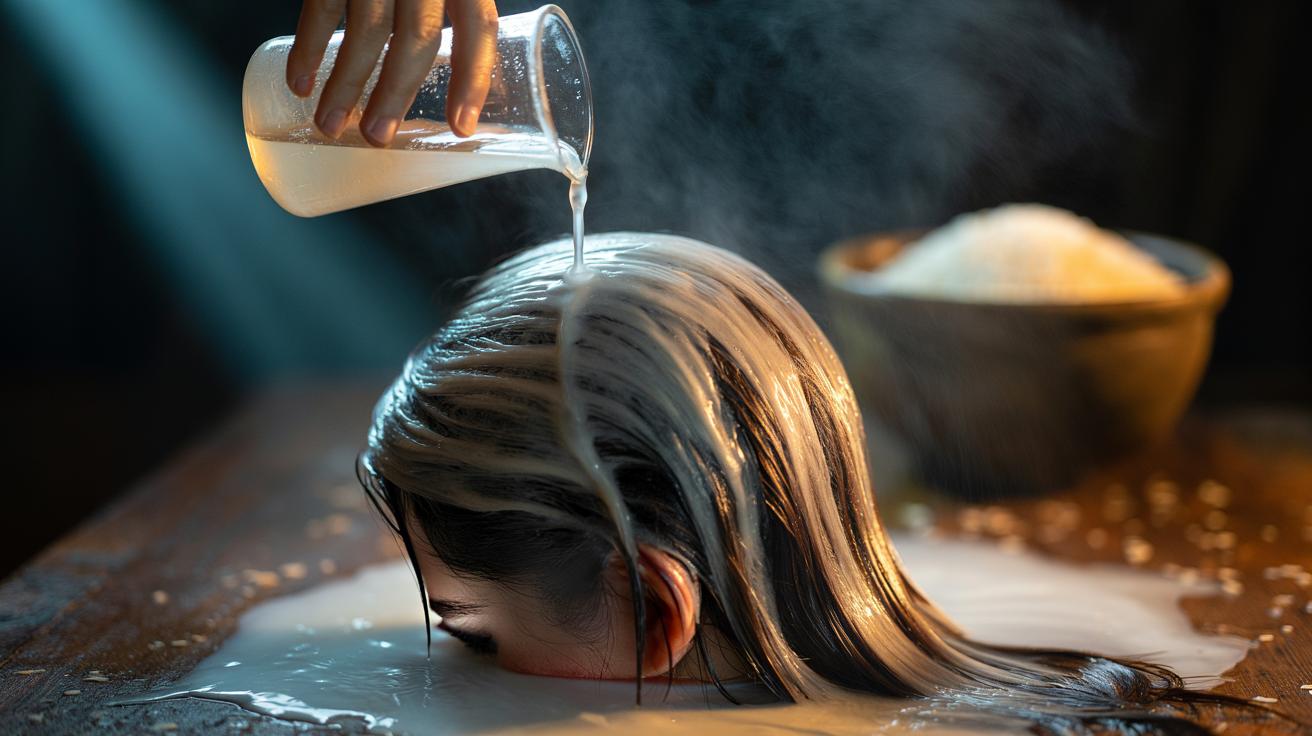
Beauty lovers swear that a simple rice water rinse can make hair feel “slippery-shiny” in minutes. The secret isn’t mystical; it’s material science. When rice is soaked or simmered, it releases starch—chiefly amylose and amylopectin—which lay down a micro-thin film on the hair’s outer layer. This film smooths the cuticle, reduces friction, and enhances how light bounces off each strand. Think of it as a temporary, rinse-off topcoat for dull lengths. Used judiciously, it can boost slip during detangling and impart quick shine without silicones. The trick is preparing it correctly, applying it at the right moment in your routine, and avoiding build-up that can weigh hair down.
What Happens When Starch Meets Hair
The hair shaft is shielded by overlapping cuticle scales. When these lie flat, hair reflects light cleanly and feels sleek; when they lift, strands scatter light and snag. Rice-derived starch acts as a mild, film-forming polymer. Amylose’s linear chains and amylopectin’s branched structure cling to the charged, slightly damaged areas on the cuticle, forming a soft, cohesive layer that fills micro-roughness. This reduces combing friction and water swelling, which helps the cuticle stay flatter during and after washing. The result is immediate slip and a glossier surface, especially on mid-lengths and ends.
There’s also inositol in rice water, a sugar alcohol reported in lab settings to deposit on hair and persist after rinsing. While consumer-grade rinses vary, the principle is consistent: a thin polymeric veil that supports cuticle alignment. Because the mechanism is physical rather than permanent, benefits wash out and require reapplication. The key is balance—enough deposit to smooth, not so much that strands feel chalky.
How To Make and Use a Rice Water Rinse
Rinse 1/2 cup uncooked white rice to remove dust, then soak it in 2–3 cups warm water for 30 minutes, agitating until the liquid turns cloudy; strain into a clean bottle. For a stronger brew, simmer the rinsed rice in 3 cups water for 10–15 minutes, cool, and strain. Start with a weaker, soaked version if your hair is fine or low-porosity. You can “ferment” the liquid 12–24 hours at room temperature to increase acidity and potential deposition, then refrigerate and dilute 1:1 before use.
After shampooing, squeeze out excess water and pour the rice water over hair, saturating lengths. Work it through gently. Leave on for 2–5 minutes, then rinse thoroughly. Follow with a light conditioner if needed. Use weekly, or fortnightly for very fine hair. Avoid leaving it on overnight, and discontinue if you notice stiffness or scalp irritation. Store any leftover in the fridge for up to three days; discard if it smells overly sour.
Benefits, Caveats, and Evidence
Users report instant slip, easier detangling, and a high-gloss finish after blow-drying. Lab insights on starches and small polymer films support these sensations: reduced friction, lower static, and improved cuticle lay translate to visible shine. That said, this isn’t a cure-all. Overuse can leave a powdery film that dulls rather than brightens, particularly on low-porosity or very fine hair. Those prone to scalp flaking should keep the rinse to the lengths. Evidence is promising but modest; outcomes vary with rice type, dilution, and hair condition. If you’re protein-sensitive, test a diluted batch and space applications. A monthly clarifying wash helps reset if you notice build-up or loss of movement.
| Potential Benefit | How It Works | Best For |
|---|---|---|
| Smoother detangling | Starch film reduces fibre–fibre friction | Curly, coily, or easily knotted hair |
| Shinier finish | Flatter cuticles increase light reflection | Dull, roughened lengths |
| Light humidity control | Film limits water uptake/swelling | Frizz-prone hair in damp weather |
| Cost-effective care | Kitchen staple, minimal ingredients | Budget-conscious routines |
Pairing With Your Routine: Stylists’ Tips
For maximum gloss, position rice water as a “primer” between shampoo and conditioner. Applying it to clean, damp hair ensures even deposition without competing oils. If you live in a hard-water area—common across the UK—use a chelating shampoo monthly; mineral build-up roughens cuticles and can blunt the rinse’s effect. Follow with a lightweight, pH-balanced conditioner to seal the film and add slip. Heat-styling? Use low to medium settings and a heat protectant; a smoother surface already reflects more light, so you can dial back temperature.
Fine hair benefits from dilution (1:2 with water) and shorter contact time. Coarser textures often prefer the simmered version for extra “grab”. Rotate with a hydrating mask on off-weeks to avoid a brittle feel. Stop immediately if your scalp tingles or reddens, and keep application to mid-lengths and ends if you’re sensitive. Pair with a microfibre towel and cool rinse to press cuticles flatter, then finish with a few drops of lightweight oil on the very tips.
Rice water’s “slippery-shiny” magic lies in simple chemistry: a fast, transparent starch veil that helps the cuticle lie flat, enhancing slip and reflectivity without heavy silicones. When prepared thoughtfully and used sparingly, it’s an elegant, low-cost way to revive dulled lengths or tame post-wash tangles. The smartest routines keep balance front of mind—clarify occasionally, watch for build-up, and adjust strength to hair type. Are you ready to test a measured, made-at-home rinse and fine-tune the dilution until your strands hit that mirror-gloss sweet spot?
Did you like it?4.5/5 (23)