In a nutshell
- 🧪 Catalase doesn’t bleach melanin; it rapidly breaks down hydrogen peroxide, meaning the “catalase bleaches fast” claim is biologically backwards.
- 🥔 Potato slices offer temporary benefits—cooling, de-puffing, mild soothing from starch and trace vitamin C—but not true lightening of under-eye pigmentation.
- 🩺 Dark circles are multifactorial (vascular, structural, pigmentary); potatoes can’t fix volume loss or disperse pigment, so expectations should be modest and short-term.
- 🛡️ Safe use matters: chill clean slices, apply 10–15 minutes on closed lids, avoid eye contact, patch test sensitive skin, and stop if irritation occurs.
- 🌞 Better evidence-led options include daily SPF, ophthalmologist-tested vitamin C, caffeine, cautious retinoids, and clinician-guided treatments like azelaic acid; consistency beats quick fixes.
Every few months, a beauty hack sweeps social media promising to erase under-eye shadows overnight. Lately, the humble potato slice has been cast as a miracle—said to “bleach” darkness thanks to an enzyme called catalase. In a country where winter light is scarce and tired commutes are long, it’s a persuasive pitch. But what does the science actually say? Here, we examine the biochemistry behind catalase, what potatoes really contribute to the delicate periocular skin, and whether this kitchen cure can deliver quick, visible change. The short answer: catalase acts fast—but not in the way many think. The longer answer is richer, more nuanced, and surprisingly hopeful for those seeking a calm, brighter-looking under-eye.
What Catalase Really Does to Pigments
Potatoes contain catalase, an enzyme present in many living tissues. Catalase’s job is to split hydrogen peroxide into water and oxygen with remarkable speed. That reaction protects cells from oxidative stress. Where confusion creeps in is the leap from “fast enzyme” to “fast skin bleaching”. Catalase does not bleach melanin. If anything, by dismantling hydrogen peroxide—a proven lightener of hair and pigments—catalase reduces the very agent that could lighten colour. In short, catalase’s speed is real, but its direction of travel runs against bleaching, not towards it.
Under-eye darkness rarely boils down to a single culprit. It can be vascular (bluish, from visible blood vessels), structural (hollows casting shadow), or pigmentary (brown, from melanin). Catalase has no direct mechanism to disperse haemoglobin by-products or remodel volume loss. Nor does it target melanin synthesis the way a dermatologist-prescribed depigmenting agent might. This is why the “catalase bleaches fast” claim is biologically backwards, even if potatoes do bring other skin-friendly qualities to the table.
Potato Slices Under Eyes: Cooling, Starch, and Lightening Claims
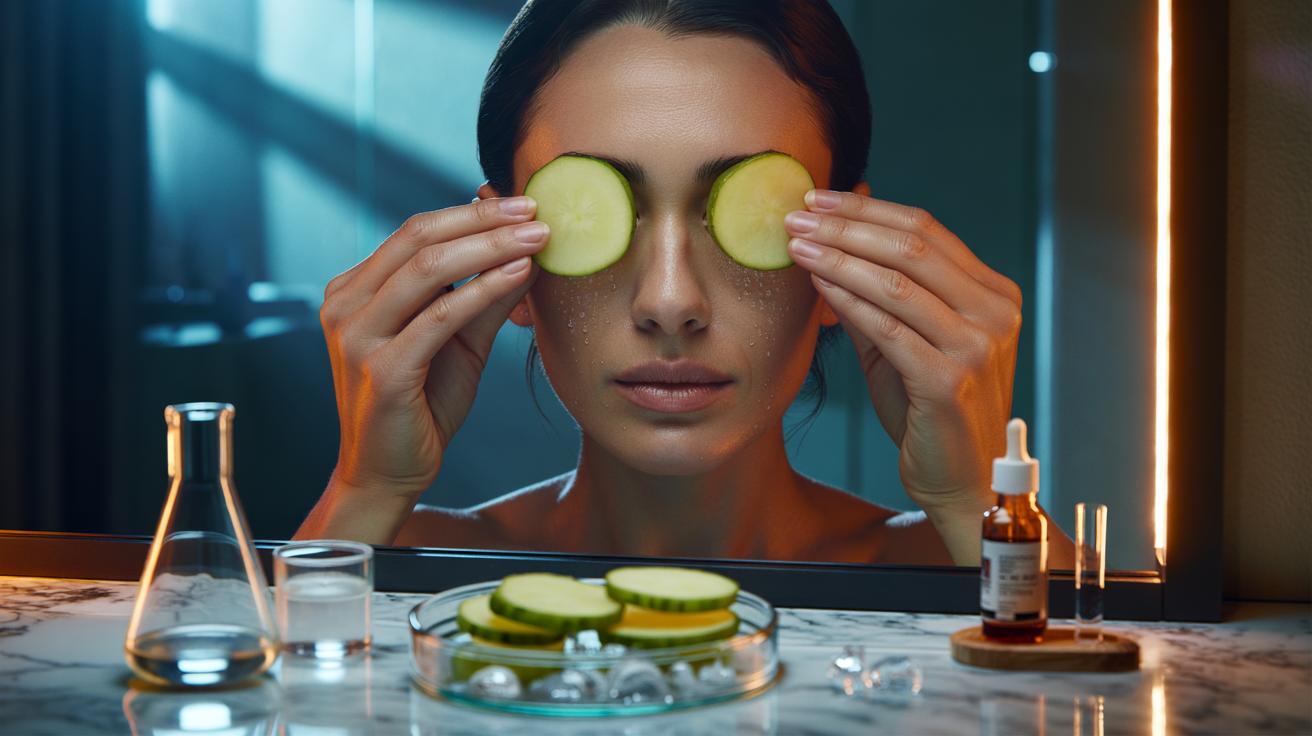
The practical magic of a chilled potato slice is simpler: cooling temporarily constricts blood vessels, which can soften morning puffiness and reduce a ruddy or bluish tinge. Potatoes also carry modest amounts of vitamin C, a well-known antioxidant that can, in leave-on formulations, brighten over time. There’s soothing starch, and plant polyphenols that may help calm mild irritation. None of these equal a rapid bleaching effect, but together they can lend a fresher look for an hour or two. Think de-puffing and subtle brightening, not a dramatic eraser.
Why, then, the persistent myth? Enzymes sound high-tech, and catalase is genuinely powerful—just not in the advertised direction. Add a visible ritual (cool slices, a quiet 10-minute pause) and you get a wellness moment with transient payoff. People notice a short-lived improvement and credit “enzymatic bleaching”. The benefit is real comfort and slight radiance, not the biochemical rewrite of pigmentation. For deeply etched dark circles, especially those driven by genetics or facial structure, a potato can’t rival targeted skincare or in-clinic options.
How to Try It Safely and What to Expect
If you enjoy kitchen beauty, proceed with care. Chill a clean potato, cut two thin slices, and rest them on closed lids for 10–15 minutes. Keep the skin intact and unbroken; do not rub. Rinse gently afterwards and apply a simple moisturiser. If your skin is reactive, patch test on the forearm first to rule out irritation; potatoes contain natural chemicals that can bother sensitive complexions. Keep all plant material out of the eye itself, and discontinue immediately if stinging or redness develops.
Set expectations. The likely gains are de-puffing, a touch of surface hydration, and a fleeting perception of brightness from vasoconstriction and light reflection. You will not bleach melanin overnight, and you will not remodel hollows. If pigmentation is your main issue, daily SPF around the area (applied carefully), ophthalmologist-tested vitamin C serums, and dermatologist-guided actives are more reliable. Consistency beats a single dramatic “enzyme” session, and sleep, allergies, and iron status often matter as much as topicals.
Evidence Snapshot: Studies and Better Options
There is no robust clinical trial proving potato slices lighten chronic under-eye pigmentation. However, there is evidence for topical antioxidants, retinoids (used cautiously near eyes), caffeine, and sun protection in improving the look of the area. For hollowness, only fillers or fat grafting truly address volume. For blue tones from thin skin, gentle retinoids and peptides can thicken the dermis over months. Myth-busting matters because it points you towards interventions that actually deliver.
| Component | Proposed Action | Evidence Strength | Speed of Result |
|---|---|---|---|
| Catalase | Breaks down hydrogen peroxide | High (biochemistry), but not for bleaching | Fast enzyme action; no lightening |
| Vitamin C (in potato) | Antioxidant, brightening support | Moderate in skincare; low in raw slice use | Weeks to months |
| Cooling | Vasoconstriction, de-puffing | Good for swelling | Minutes to hours |
For stubborn pigment, talk to a clinician about azelaic acid, carefully formulated vitamin C, or supervised hydroquinone (not for the eyelids without expert oversight). Addressing hay fever or eczema can reduce chronic rubbing and the resulting darkness. And never skip UV protection: preventing UV-induced melanin is the quiet foundation of every brightening plan.
The potato-slice ritual endures because it feels good, costs little, and offers a brief, camera-friendly refresh. But the chemistry is clear: catalase does not bleach under-eye darkness, and any brightening you see comes from cooling and surface optics, not rapid pigment erasure. By pairing soothing home habits with evidence-led care—SPF, antioxidants, sleep hygiene, and medical advice when needed—you can create change that lasts. What mix of simple comforts and science-backed steps are you ready to try for a calmer, brighter under-eye area this season?
Did you like it?4.4/5 (27)