In a nutshell
- 💡 The science: Occlusion creates a humid microclimate that reduces TEWL, lets corneocytes rehydrate, and helps elbow cracks knit while you sleep.
- 🛠️ Step-by-step: Warm cleanse, apply 3–5 drops of extra-virgin olive oil, seal with a thin layer of petrolatum or shea, cover with a cotton sleeve, rinse in the morning; repeat 3–5 nights for results.
- 🔄 Smart swaps: If sensitive to olive oil, use sunflower, oat, or a ceramide cream; add humectants like glycerin or urea (5–10%); pairing with petrolatum boosts overnight barrier time.
- ⚠️ Safety first: Patch test, avoid fragranced oils, don’t occlude if skin is hot/oozing/infected, and consult if diabetic or circulation-impaired; choose breathable cotton wraps for comfort and hygiene.
- ✨ Payoff: Expect softer, less flaky elbows, fewer micro-fissures, and smoother glide under clothing—consistency and the wrap’s seal are the true game-changers.
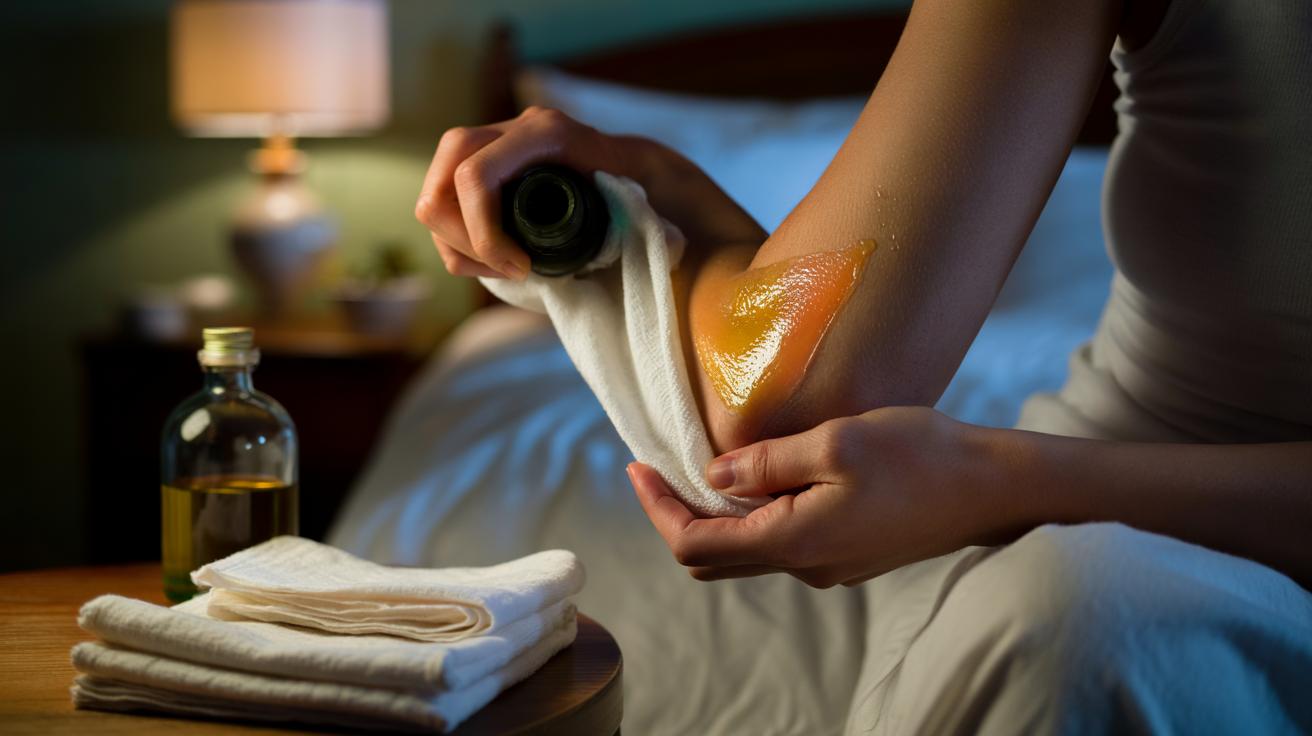
Elbow skin works hard and, unlike your cheeks or lips, it has fewer oil glands and takes a daily battering from desks, clothing and gym mats. That’s why cracks form and sting. The simple, old-world fix is an overnight olive oil wrap: a deliberate layering and sealing approach that boosts hydration while you sleep. Occlusion traps moisture, slows evaporation and gives your skin’s repair enzymes the stable environment they need. With the right method, you can wake to softer, less flaky elbows without expensive kits. Below, we unpack the science of occlusion, outline a step-by-step routine, and explain when to stick with olive oil and when to pick a sturdier occlusive partner.
The Science of Occlusion and Why Elbows Crack
Elbows are built for flexion, not finesse. The stratum corneum is thicker here, with compacted corneocytes that act like tiles on a roof. Daily friction and frequent washing lift those “tiles”, increasing transepidermal water loss (TEWL). Add cold weather or air conditioning and micro-fissures form, inviting soreness and dullness. Occlusion addresses the underlying physics, not just the surface look. By sealing the area, you create a microclimate of higher humidity that swells corneocytes slightly, allowing lipids to re‑organise and cracks to knit.
Olive oil contributes as a softening emollient: its oleic acid loosens rigid edges so the skin feels supple, while squalene and polyphenols lend antioxidant support. The crucial factor, though, is the wrap that reduces TEWL for several hours. Think of the duo as “slip plus seal”: the oil fills and smooths, the cover slows water escape. It is the occlusion that supercharges repair overnight, delivering the quick transformation elbows rarely receive in daylight.
How to Do an Overnight Olive Oil Wrap
Start with a warm cleanse to lift debris and soften scales; a five-minute soak or a gentle washcloth compress is ideal. Pat nearly dry, leaving a whisper of dampness. Massage in 3–5 drops of extra-virgin olive oil per elbow for 60 seconds, focusing on the roughest rings. To power up, layer a pea-sized blob of a fragrance-free occlusive (petrolatum or plain shea) on top. Layering oil then occlusive locks water in and cushions the area against friction. Cover loosely with a soft cotton sleeve or a cut sock; avoid tight elastic that might rub.
Sleep on it. By morning, remove the cover and rinse with lukewarm water. If flakes linger, use a once‑or‑twice‑weekly mild urea (5–10%) or lactic acid cream in the evening before the oil. Finish with sunscreen if elbows will be exposed that day. Consistency beats intensity—three to five nights usually smooths even stubborn plaques. Below is a quick-reference plan to keep on your bathroom shelf.
| Step | Action | Why it helps |
|---|---|---|
| Prep | Warm cleanse, pat to slightly damp | Boosts hydration ready for sealing |
| Emollient | 3–5 drops olive oil, massage 60s | Softens and fills rough edges |
| Seal | Thin layer petrolatum or shea | Occlusion reduces TEWL overnight |
| Cover | Loose cotton sleeve/sock | Enhances occlusion, prevents transfer |
| Morning | Rinse, gentle pat dry | Reveals smoother, calmer skin |
Olive Oil Benefits and Smarter Alternatives
Olive oil brings a trio of helpers: oleic acid for slip, squalene for lightweight emollience, and polyphenols for antioxidant calm. This cocktail makes elbows feel instantly more flexible. Yet the star outcome—fewer cracks—comes from the moisture you keep, not just the oil you add. Think of olive oil as the conditioner, but the wrap as the dryer that sets the style. For very weathered elbows, pairing olive oil with petrolatum increases barrier time, giving the stratum corneum hours to reorganise lipids and downshift inflammation.
Some people, especially those with eczema-prone skin, report that pure olive oil can feel irritating. If that’s you, swap to sunflower, oat or a ceramide-rich cream as the emollient layer, then occlude. Humectants like glycerin or urea (5–10%) underneath the oil can add water back before you seal. Match the emollient to your tolerance, keep the occlusion, and you’ll still win the night.
Safety, Sensitivity, and Sustainable Choices
Use extra-virgin, fresh olive oil; rancid oils can aggravate skin. Patch test on the inner arm for 24 hours if you’re sensitive. Avoid fragranced blends and essential oils on cracked areas—they add risk without benefit. Do not occlude if skin is oozing, hot, or shows signs of infection; seek medical advice first. If you’re diabetic or have circulatory issues, check with a clinician before prolonged occlusion. Aim for a thin application: too much oil can clog pores and cause folliculitis.
Choose breathable covers: washed cotton beats cling film for comfort and microclimate control. Launder sleeves regularly and reserve a pair for skincare to reduce bacterial transfer. For sustainability, a reusable cotton wrap outperforms single-use plastics. Store oil in a cool, dark cupboard and label the bathroom decanting bottle with a date. Two to three nights per week for maintenance keeps elbows supple without over-softening the area, and you can dial up the frequency in harsher weather.
Overnight, the combination of emollient plus occlusion creates the conditions your elbows rarely get in the daytime: stable humidity, reduced friction and uninterrupted repair time. After several sessions, fine cracks flatten, tightness eases and jumpers glide over skin that no longer snags. It’s a small ritual with disproportionate payoff, adaptable to your budget and tolerance. Whether you stick with olive oil or switch to a gentler emollient, keep the wrap and keep it regular. What will your first week of occlusive nights look like, and how will you tailor the routine to your skin’s signals?
Did you like it?4.7/5 (26)