In a nutshell
- 💄 A cold teabag can make lips look rosier by combining hydration, mild tannins-driven tightening, and temperature-led vasoconstriction followed by reactive hyperaemia for a brief natural flush.
- ☕ Caffeine modulates microcirculation (via adenosine receptor antagonism) for a short-lived boost in colour; it does not dye lips—the effect is optical and temporary, enhanced by smoother, moisturised surface texture.
- 🍵 Tea choice matters: black tea offers higher tannins and slight staining, green balances tightening with antioxidants, white is gentler, decaf is milder, and herbals add hydration without caffeine.
- ❄️ Safe method: steep 2–3 minutes, cool thoroughly, press gently for 1–2 minutes without rubbing, then seal with a fragrance-free lip balm; limit to a few times weekly to avoid dryness.
- ⚠️ Myths and cautions: caffeine doesn’t “colour” lips and results are short-lived; avoid use on eczema, cold sores, or cracked lips, and pair with ceramides/squalane instead of irritants like lemon or essential oils.
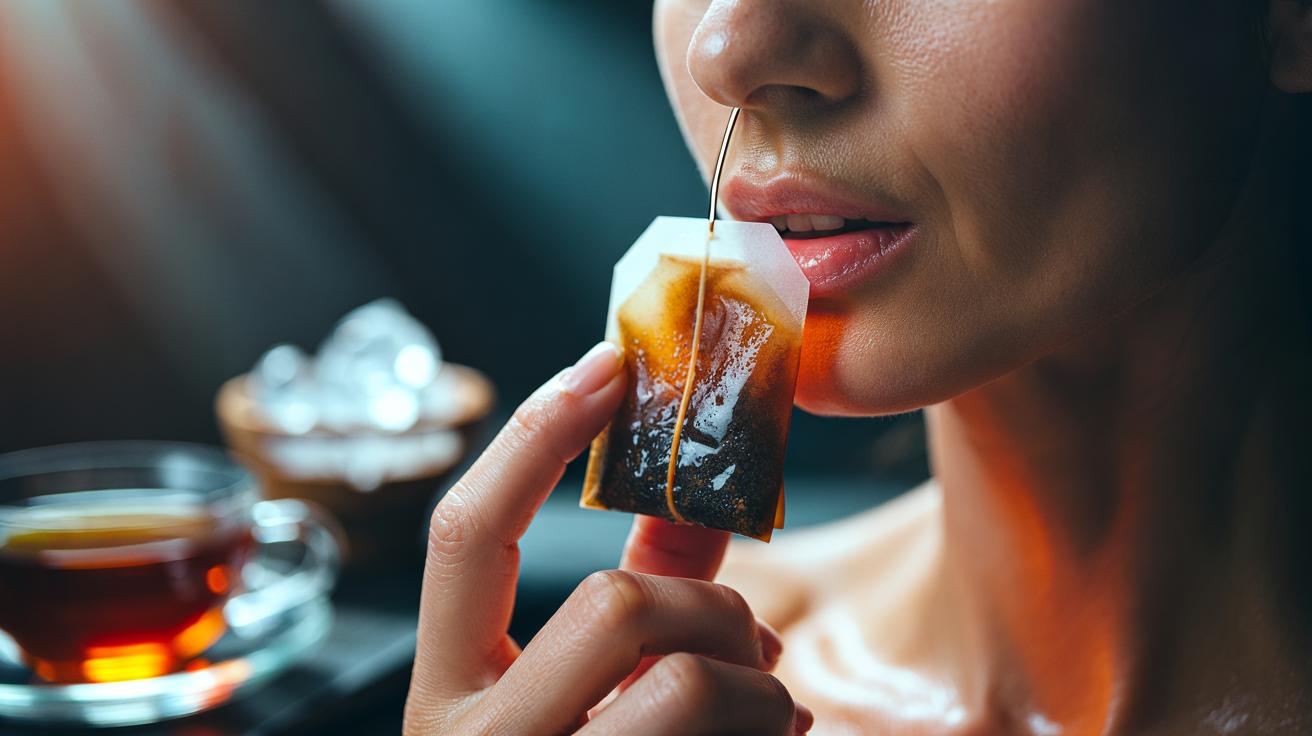
Beauty folklore often travels faster than lab results, and one of the most shareable tips is pressing a cold teabag onto your lips to coax a rosier colour. The idea sounds quaint, yet there’s a satisfying blend of physiology and old-school pharmacy behind it. A chilled, brewed bag delivers moisture, tannins, and a whisper of caffeine in a single, easy compress. Used briefly and sensibly, it can leave lips looking smoother, slightly plumper, and a touch pinker. Below, we unpack why temperature, botanical chemistry, and timing matter, how different teas compare, and the safest way to try the trick at home without drying or staining your pout.
Why a Cold Teabag Could Perk Up Pale Lips
A chilled compress prompts short-lived vasoconstriction, easing puffiness and making the lip surface appear sleeker. As the cold is removed, many people experience a gentle reactive hyperaemia—a brief uptick in blood flow that can read as a natural flush. Meanwhile, brewed tea infuses the lip surface with water, softening the outer layer so light reflects more evenly. Hydrated lips look brighter and more alive, even before any pigment enters the equation. The texture tweak is subtle, but it makes colour you already have show up more clearly.
Tea also brings tannins, naturally astringent polyphenols that lightly tighten the surface. This temporary tautness can enhance lip definition, a small optical lift that mimics the effect of a blurring primer. Black teas, with their theaflavins and thearubigins, may also impart a faint, wash-off tint—think of it as the gentlest stain, not a lipstick. The visible “rosiness” is largely a combination of hydration, mild tightening, rebound circulation and, in some teas, the slightest tea-tone sheen.
Caffeine’s Role: From Chemistry to Colour
Caffeine is often billed as a de-puffer, yet its behaviour on skin is nuanced. As an adenosine receptor antagonist and mild phosphodiesterase inhibitor, it can influence local vessels and smooth muscle tone in complex ways. Cold exposure trims swelling first; when warmth returns, there can be a modest rise in microcirculation. This rebound is what many users perceive as a quick “boost” in colour. Caffeine may also modulate inflammation and fluid balance, helping lips look a touch firmer once the bag comes off.
Crucially, caffeine doesn’t “dye” lips. Any colour change is temporary and optical, driven by surface hydration, tissue tone, and transient flow. Polyphenols in tea—particularly in green and black varieties—add antioxidant support that may help the lip barrier feel calmer after exposure. Think of the effect as a short-lived wake-up call, not a substitute for balm, SPF, or bona fide lip tints. If your lips are cracked or bleeding, skip stimulants and stick to healing care.
Which Teabag Works Best?
Different teas vary in caffeine content, tannin levels, and staining potential. Black tea is punchiest, green sits in the middle, and white or decaf are gentler choices. If you’re sensitive, start soft with green or white tea; if you want a slightly stronger cosmetic effect, black tea is the classic. Herbal tisanes (like chamomile or rooibos) contain no caffeine, but their astringency may still smooth texture and enhance your natural tone via hydration and mild tightening.
| Tea Type | Approx. Caffeine (per 200 ml) | Noted Properties for Lips |
|---|---|---|
| Black Tea | 40–70 mg | Higher tannins; slight stain potential; brisk astringency for a crisper look |
| Green Tea | 20–45 mg | Balanced polyphenols; gentle tightening; minimal staining |
| White Tea | 15–30 mg | Softest feel; subtle astringency; low risk of visible tint |
| Decaf Black/Green | <5 mg | Milder action; texture smoothing without much “kick” |
| Herbal Tisanes | 0 mg | No caffeine; hydration plus plant-specific effects |
Caffeine level isn’t the only determinant of outcome. The tea’s astringency, water temperature during brewing, and how thoroughly you cool the bag all shape the sensation and finish. If staining worries you, steep lightly and rinse the bag before pressing it to the lips. Follow with a clear balm to lock in softness without muting the glow.
How to Try It Safely at Home
Start with a clean face and a fresh teabag. Steep for 2–3 minutes in hot water, then cool in the fridge until thoroughly chilled. Aim for cool, not icy—extreme cold can irritate delicate skin. Press the bag gently onto closed lips for 1–2 minutes, lifting and reapplying so the moisture distributes evenly. Avoid rubbing, which can cause micro-tears. Once done, pat any excess liquid away and seal with a fragrance-free lip balm.
Use this trick no more than a few times a week, and skip it if you have eczema, active cold sores, or very chapped lips. Black tea can stain fabrics, so mind your sleeves. If tingling feels sharp rather than light, stop and rinse with cool water. The aim is a comfortable, fleeting flush—not a tingle test of endurance. For a dressy finish, layer a sheer lip oil over the balm to amplify the newfound smoothness and shine.
Common Myths and Sensible Expectations
Myth: caffeine “colours” lips. It doesn’t. The effect is a blend of hydration, astringency, and transient flow changes, occasionally helped by faint tea pigments if you use a strong black brew. Myth: the result lasts for hours. In reality, the look is short-lived—ideal for a quick pick-me-up before a call or lunch. Think of it as a low-stakes primer step, not a replacement for pigment-based products or long-wear plumpers.
Be mindful of dryness. Tannins can feel tightening, which some interpret as smoothness. Pairing the compress with a ceramide or squalane-rich balm preserves softness and keeps the rosy look from tipping into parched territory. And no, adding lemon juice or essential oils won’t improve the colour payoff; they’re more likely to sting. Smart tweaks—gentle tea, short contact time, immediate moisturising—deliver the best balance of comfort and glow.
Used with care, a cold teabag is a clever, cost-free way to refresh the lips: hydrate, subtly tighten, then enjoy the brief rosy lift as warmth returns. The technique won’t replace SPF, balm, or colour cosmetics, but it’s a handy backstage trick for mornings when you want to look awake without makeup. It’s the synergy of temperature, caffeine, and tannins that does the quiet heavy lifting. Will you tailor the ritual—tea type, chill level, contact time—to find your sweet spot, or will you invent your own kitchen-counter lip primer altogether?
Did you like it?4.5/5 (27)