In a nutshell
- 🔬 Bleach oxidises melanin and lifts the cuticle, causing lipid and protein loss; a light coconut oil pre-treatment limits swelling without blocking lift.
- 🥥 The science: coconut oil’s lauric acid penetrates the cortex, binds to keratin, reduces hygral fatigue, and promotes a more even lift.
- 🧴 How to use: apply virgin coconut oil to mid-lengths/ends 4–12 hours before, leave in and blot excess (don’t shampoo out), then follow post-bleach with a bond builder and acidic conditioner.
- 🧪 Myths and limits: it doesn’t halt oxidation; use a thin layer only, avoid silicone-heavy blends, respect processing times, and skip if allergic.
- 📊 Results and upkeep: reduced breakage and patchiness, improved shine and strength; pair with gentle aftercare and a strand test to dial in developer and timing.
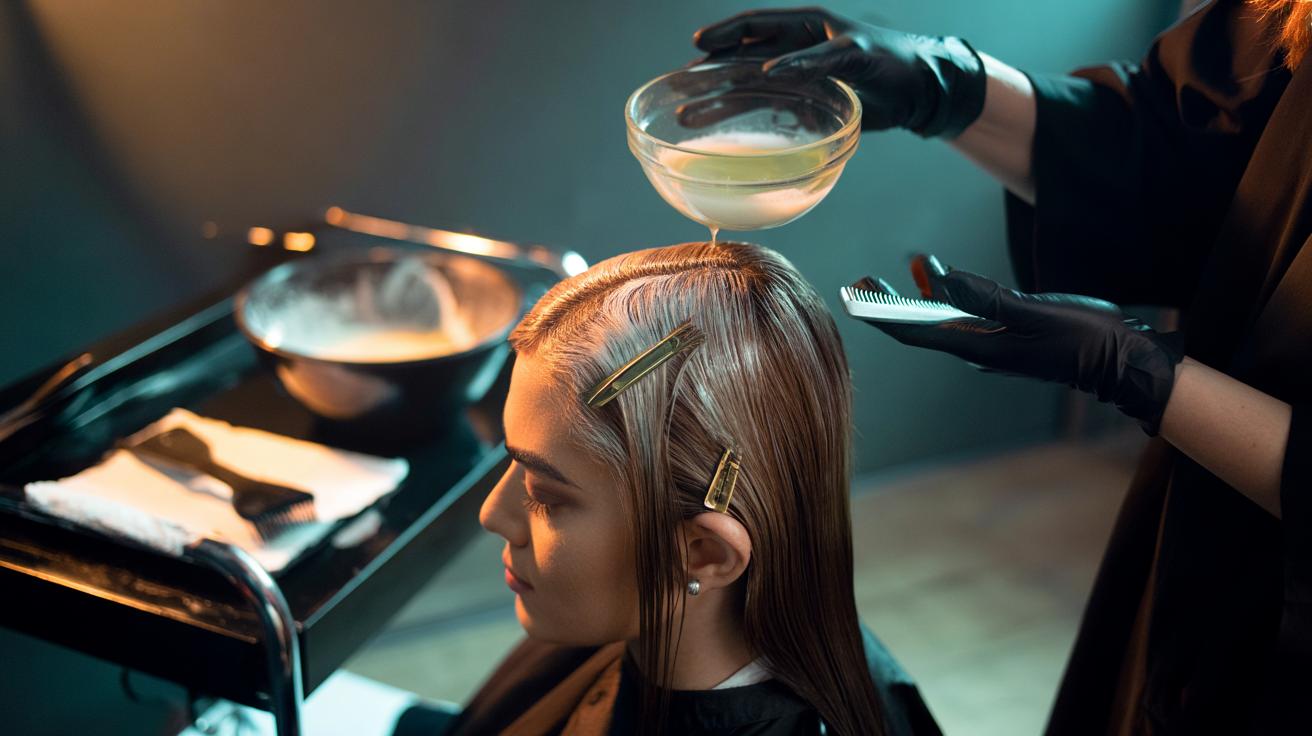
Bleaching can transform a look, but it often exacts a toll: split ends, rough texture, and colour that fades faster than you budgeted for. A simple pantry staple—coconut oil—has become a backstage hero in salons because it can prime hair to withstand the assault of peroxide and persulfates. Used correctly, coconut oil functions like a lightweight shield that limits swelling and protein loss without preventing lift. This isn’t a miracle cure; it’s smart chemistry applied at the right time in the right amount. Here’s how and why pre-bleach coconut oil protects the fibre, helps bleach work more evenly, and keeps your post-lightening maintenance manageable.
What Bleach Does to Hair at a Microscopic Level
Bleach lightens by oxidising melanin inside the hair’s cortex, but the process rarely stops there. The alkaline pH raises the cuticle, increasing porosity and allowing persulfates and peroxide to surge in. That rush strips natural lipids, disrupts salt and hydrogen bonds, and leaves the surface rough. The result is a fibre that swells, tangles, and loses tensile strength. The same reaction that lifts colour can destabilise the hair’s protein-lipid architecture. Once the cuticle scales lift and chip, moisture management goes haywire, and even high-end conditioners struggle to smooth the damage that’s already been done.
Because the hair shaft is not a uniform tube, bleach can travel unevenly. Porous sections over-process while healthier areas lift more slowly, producing patchy tones. Add mechanical stress—brushing, tight ponytails—and you’re priming the strand for breakage. This is why colourists obsess over porosity and prep: the goal is to control how fast bleach penetrates and how much the fibre swells, so you get an even lift with fewer compromised areas. Prepping with the right oil changes that starting condition.
Why Coconut Oil Works: The Science of Lauric Acid
Coconut oil stands apart because it’s rich in lauric acid, a small, straight-chain fatty acid with a high affinity for hair keratin. Its low molecular weight allows it to penetrate into the cortex rather than just coat the surface. There, it occupies sites that water would otherwise flood, reducing hygral fatigue (repeated swelling and contraction) and helping the cuticle lie flatter. By limiting water uptake and protein loss, coconut oil helps the fibre face the high-pH, high-oxidant environment of bleach with fewer structural casualties. Crucially, it doesn’t form an impermeable film, so bleaching can still proceed.
| Bleach Effect | What Coconut Oil Does |
|---|---|
| Lipid extraction from cuticle | Replenishes hydrophobicity and slows lipid loss |
| Protein loss and weakening | Reduces protein loss by binding within the fibre |
| Excessive swelling and porosity | Limits water uptake, moderating swelling |
| Uneven penetration | Encourages more uniform lift across the strand |
Note that not all oils perform equally. Mineral and sunflower oils mostly sit on top; fractionated coconut oil contains fewer long-chain fatty acids and penetrates less effectively. Choose virgin, unrefined coconut oil for the protective effect associated with lauric acid.
How to Use Coconut Oil Before Bleach: A Step-By-Step Plan
Start the night before. Warm a teaspoon of virgin coconut oil between your palms and apply sparingly to mid-lengths and ends, adding more only if hair is coarse or long. Comb through for even distribution. You want a light, glossy sheen—no drips. Sleep with it in or leave for 4–12 hours. Do not shampoo it out; simply blot excess with a towel before your appointment. Leaving a thin layer in the fibre keeps the protective effect during processing without blocking lift. If you’re scalp-bleaching, massage a pea-sized amount over the scalp only if you’re not sensitive; otherwise keep oil 1–2 cm off the roots.
| Timing | Action | Amount |
|---|---|---|
| 10–12 hours before | Apply coconut oil to lengths/ends | 1–2 tsp for shoulder-length hair |
| 1 hour before | Blot excess; detangle gently | As needed |
| During bleach | Proceed with normal mixing ratios | None added to bowl |
Post-lift, rinse thoroughly and follow with a bond builder and an acidic conditioner to bring pH down and reseal the cuticle. Keep heat styling low for a week. If you’re DIY, strand-test: oil one section and leave another untreated to confirm your developer strength and timing still achieve target lift.
Myths, Limits, and Pro Tips From the Salon
Myth: Coconut oil stops bleach from working. Reality: a thin, penetrative application doesn’t block oxidation; it tempers swelling and protein loss. Myth: more oil equals more protection. In truth, a heavy coating traps heat and can cause blotchy lift. Less is more. Another misconception is that any coconut product will do. Avoid blends with silicones or heavy fragrances before bleaching—they can create unpredictable barriers or scalp irritation. If you have a coconut allergy, skip this method altogether.
What coconut oil won’t do is rebuild broken disulfide bonds. For that you need dedicated bond-building chemistry alongside your bleach. Its role is preparation and mitigation, not repair. Colourists in UK salons often combine a light coconut pre-treatment with professional bond builders and strict timing. Protect your hairline with petroleum jelly, keep sections fine for even saturation, and never exceed recommended processing times. Treated this way, hair comes out lighter—and crucially—feeling like itself.
Coconut oil isn’t a silver bullet, but used with intent it’s a low-cost, high-return safeguard for bleaching. By leveraging lauric acid’s affinity for keratin, you moderate swelling, reduce protein loss, and encourage a more even lift—all without compromising your colour goal. Pair it with disciplined timing, a bond builder, and gentle aftercare, and you’ll see the difference in shine and strength days later. Are you ready to trial a light coconut pre-treatment on a strand and compare the result to your usual routine, or will you ask your colourist to build it into your next session?
Did you like it?4.4/5 (27)