In a nutshell
- ✨ Beauty insiders tout milk of magnesia as an off-label primer that can keep oily skin matte for 12+ hours, especially on stubborn T-zones.
- 🔬 It works because magnesium hydroxide absorbs sebum and forms a matte film, but its high pH can disrupt the skin barrier, causing dryness, tightness, and a potential white cast.
- 🧴 For safe use: choose plain, unflavoured MoM, shake well, apply a thin veil to the T-zone over lightweight moisturiser, let set, then buff and layer compatible foundation; double cleanse to remove and replenish with ceramides and niacinamide.
- ⚖️ Dermatology lens: strong, immediate oil control benefits for very oily skin, but treat as an occasional performance aid due to risks like micro-flaking, sensitivity, and flashback.
- 🔁 Smarter long-term options include silica/clay gels, dimethicone primers, niacinamide and zinc PCA serums, plus blotting papers—backed by balanced hydration and daily SPF.
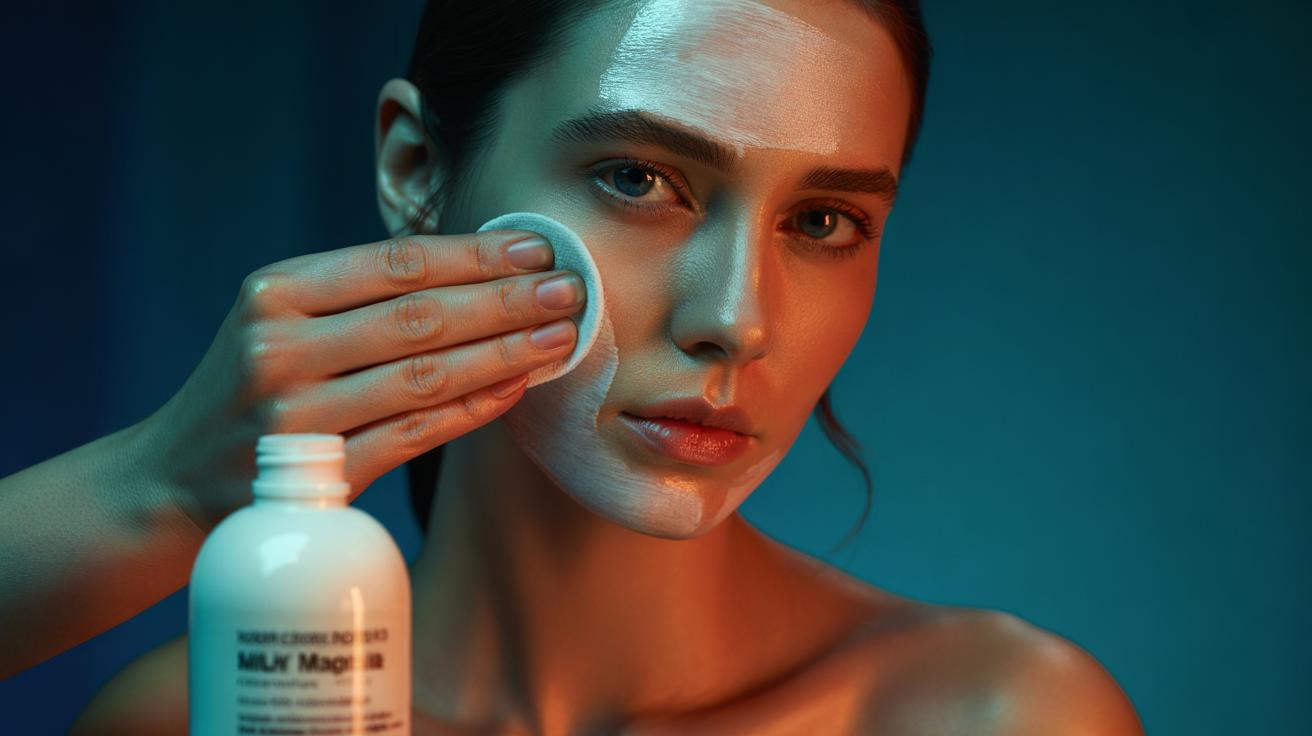
Beauty insiders are whispering about an unlikely hero for shine control: milk of magnesia, the chalky antacid you’d expect to find in a bathroom cabinet, not a make-up bag. In an age of high-definition cameras and back-to-back video calls, the promise is seductive: a quick dab that keeps an oily T-zone matte for 12 hours or more. Make-up artists praise its grip under foundation, while budget-conscious consumers see a cost-effective fix. Yet questions linger about skin compatibility and long-term use. The claim is bold, the results can be dramatic, and the method is undeniably off-label—so what’s really happening on your skin?
What Is Milk of Magnesia Doing on Your Face?
At its core, milk of magnesia is magnesium hydroxide in water—highly alkaline, porous, and superb at binding oil. On skin, those microscopic particles act like a sponge, lifting excess sebum from the surface and creating a dry-to-the-touch film that can prevent foundation meltdown. That’s why backstage pros sometimes tap it over the nose and chin when powder alone won’t cut it. The matte effect can be striking, particularly on very oily complexions that overwhelm conventional primers midday.
There’s a trade-off. The formula’s high pH (often around 10) is far from the skin’s natural slightly acidic state. Used too liberally or too often, it may disrupt the barrier, heighten sensitivity, and emphasise flakes. It can also leave a faint white cast, especially on deeper skin tones, and may cause flashback in photography. It is not a moisturiser, not an SPF, and not designed for facial use—this is a beauty hack, not a skincare staple.
How to Apply It Safely and Effectively
Choose the plain, unflavoured version—no peppermint, no additives. Shake vigorously to disperse the sediment. Prep with a light, oil-free moisturiser and let it fully absorb. Decant a few drops, then tap a thin veil onto the T-zone with a damp sponge or cotton bud; avoid dry patches and the eye contour. Wait a minute until it sets to a soft haze, then gently buff away any chalkiness. Layer a compatible foundation—water-based or lightweight silicone—and set with a soft-focus powder if needed.
Apply the thinnest possible veil; more product does not equal more mattifying. Skip daily use if you’re on active treatments like retinoids or strong acids, as the pH swing can aggravate irritation. Patch test on the jawline for 24 hours, and stop if stinging or tightening persists. For removal, double cleanse, then restore the skin’s comfort with ceramides and niacinamide. Treat MoM as an occasional performance product for high-stakes days—weddings, shoots, long commutes—rather than a week-in, week-out primer.
Dermatology Perspective: Benefits and Red Flags
From a clinical standpoint, the oil-binding capacity of magnesium hydroxide is credible, which explains the immediate reduction in shine and improved foundation wear. Users with robust, very oily skin often report 8–12 hours of smoother make-up, fewer touch-ups, and better grip on the nose and chin. For acne-prone types who dislike heavy silicones, MoM can feel surprisingly breathable, making it tempting as a last-ditch anti-glisten strategy.
Concerns centre on the alkaline pH and potential barrier disruption. Skin thrives around pH 4.5–5.5; repeatedly spiking it upward can increase dryness and reactivity. Some people note micro-flaking, tightness, or an ashy cast, especially on deeper tones; others experience pilling with certain primers. Evidence for long-term benefit is thin, and most endorsements are anecdotal. Think of MoM as a powerful oil-control patch, not a skin-health solution. If sensitivity, eczema, or post-acne marks are in the mix, dermatologists typically steer clients toward gentler mattifying routes.
Alternatives and When to Choose Them
If your goal is a calmer T-zone with fewer compromises, several options track well in editorial tests. Silica-rich gels and clay-based primers soak up shine without the pH leap. Classic dimethicone primers blur pores and help glide, while niacinamide and zinc PCA serums reduce oil production over time. On set, artists often combine a breathable gel primer with strategic blotting papers and a micro-fine powder only where needed.
| Option | Shine Control | Typical Wear Time | Best For | Key Caveat |
|---|---|---|---|---|
| Milk of Magnesia | Very high | 8–12+ hours | Very oily T-zones | High pH, possible dryness/white cast |
| Silicone Primer (Dimethicone) | Medium | 6–8 hours | Oily–combination | Pilling with some formulas |
| Mattifying Gel (Silica/Clays) | High | 6–10 hours | Oily, acne-prone | Can feel tight |
| Blotting Papers | On-demand | — | All skin types | No pore blurring |
Don’t mistake oil control for skin health. Build a routine that steadies sebum at the source—gentle cleansing, balanced hydration, and daytime SPF. Use performance aids tactically: gel primer before meetings, blotting papers during commutes, and micro-powder for cameras. Reserve MoM for hard-wearing situations when humidity and heat conspire against make-up longevity.
Milk of magnesia as primer is a paradox: wildly effective in the moment, questionable as a daily habit. The best outcomes come from restraint—tiny amounts, targeted zones, and thoughtful removal. For many, pairing a long-term sebum regulator with a modern mattifying primer provides similar durability without the pH detour. This is a clever backstage trick, not a universal prescription. If you’re chasing an all-day matte finish, what’s your next move: a strategic MoM dab for special events, or a switch to smarter, skin-first mattifiers that go the distance?
Did you like it?4.5/5 (28)