In a nutshell
- ❄️ Instant but temporary: Ice triggers vasoconstriction to reduce puff and oil, making pores appear smaller for minutes to hours.
- 🧠 Myth check: Pores don’t open or close; ice alters appearance, while primers blur via silicones for optical smoothing.
- 🧴 How to use: Cleanse, wrap the cube, glide for 30–60 seconds, pat dry, layer a humectant and moisturiser, finish with SPF 30+; green tea cubes add a calming touch.
- ⚠️ Safety first: Avoid direct contact and prolonged holds; skip or patch-test if you have rosacea, eczema, or cold sensitivity; keep water and trays clean.
- 🎯 Ice vs primer: Ice is cheap and breathable for short wear; primers win on longevity—try a hybrid (ice + light primer on the T‑zone) when you need extra grip.
At beauty counters from Manchester to Margate, a no-frills ritual is stealing column inches: the humble ice cube. Beauticians whisper that a brisk morning rub can tighten pores on contact and even outclass high-street primers. The appeal is obvious—no silicone slip, no spend, just a refreshing sting that claims instant payoff. Yet beneath the chill lies a fascinating biology story, and a set of ground rules that separate a glow from a grievance. I put the trend under the lens to ask whether daily icing truly beats bottle-bought skin-prep, how long the effects last, and who should skip it. The verdict is cooler—and more nuanced—than a viral clip suggests.
What Really Happens When You Ice Your Face
Cold exposure triggers vasoconstriction, narrowing tiny blood vessels to reduce redness and micro-swelling. Less puff and surface oil makes texture look smoother, so pores appear smaller even though their actual size is unchanged. Cooling can also calm overactive nerve endings and tamp early inflammation, explaining why eyes de-puff after a chilled compress. Makeup may cling better because a briefly drier, tauter surface gives pigments more purchase. The effect is temporary—think minutes to a couple of hours—not a structural fix.
It’s vital to separate optics from anatomy. Pores do not open or close; they are openings to hair follicles. Heat and oil can make them look wider; cold and reduced sebum make them look tighter. Where a primer fills and blurs with silicones, ice works by transient biological changes—less shine, less swelling. Used judiciously, morning icing can create a crisp canvas that rivals primers for a school run or commute, though it won’t mimic the all-day grip of a pro formula on a long shoot or humid wedding.
How To Use Ice Safely and Effectively Each Morning
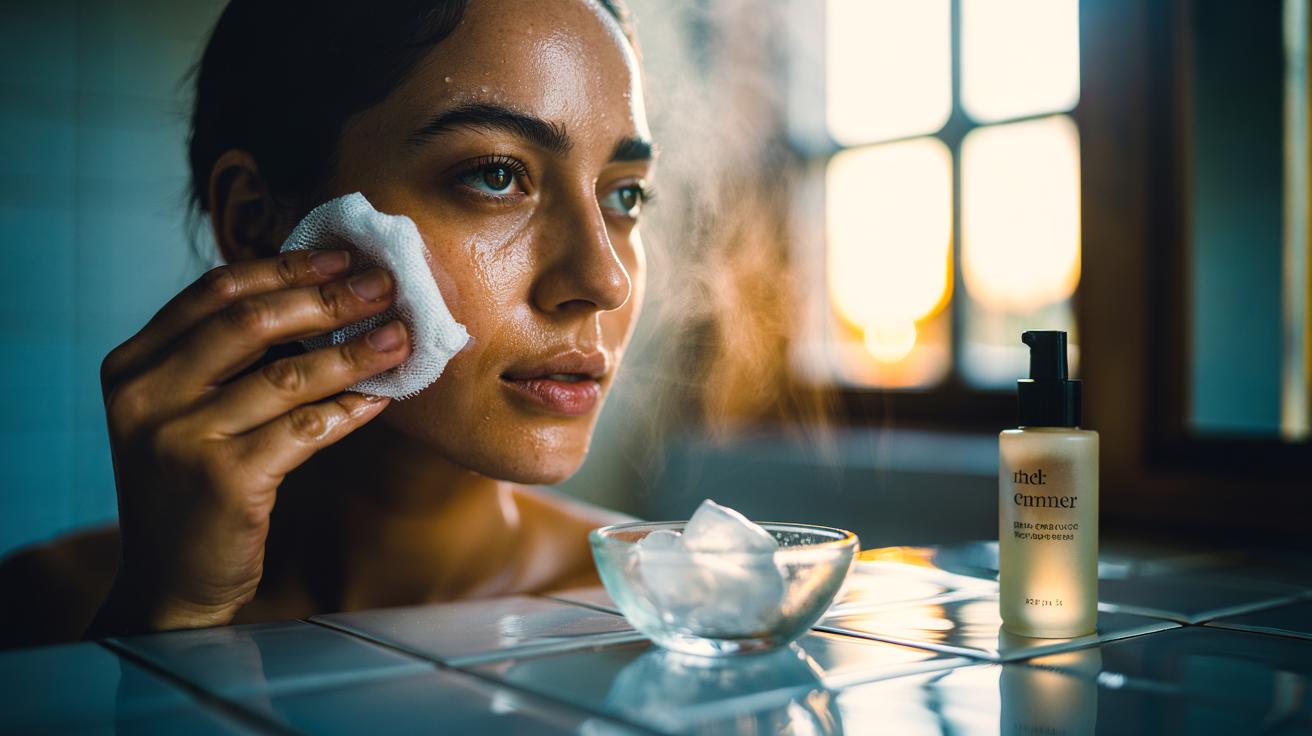
Start with a gentle cleanse. Wrap a cube in clean muslin or a thin bag to avoid direct sticking, then glide along the T‑zone and cheeks in small circles—about 30–60 seconds total, not per area. Pause over puffy under‑eyes only if there’s a cloth barrier and for no more than 5–10 seconds. Pat dry, follow with a humectant (glycerin or hyaluronic acid), seal with a light moisturiser, and finish with SPF 30+. For a deluxe chill, freeze brewed green tea or chamomile; the temperature does the heavy lift, the botanicals add a whisper of antioxidant calm.
Safety matters. Never hold bare ice on one spot—that risks cold burn and barrier damage. If you have rosacea, eczema, cold urticaria, or very reactive skin, consider skipping icing or trial it briefly on the jawline first. Avoid citrus-infused cubes that may irritate. Stop if stinging persists beyond a minute or if numbness lingers. Use boiled-and-cooled or filtered water for your cubes, and clean trays regularly to dodge bacterial hitchhikers. Ice is a quick cosmetic aid, not an acne cure or substitute for a balanced routine.
Ice Vs Primers: A Quick Comparison
As purse strings tighten, some are swapping £20 bottles for freezer-door ingenuity. The promise: instant pore-blur, less shine, and a fresh-faced snap that feels more breathable than silicone. Primers counter with consistent smoothing, pigment-friendly glide, and longevity under studio lights. The smarter choice depends on your skin, schedule, and the weather outside the window.
| Feature | Ice Cubes | Silicone Primer |
|---|---|---|
| Smoothing Effect | Reduces puff and oil; natural taut finish | Fills texture; velvet or matte finish |
| Pore Appearance | Temporary minimising via vasoconstriction | Optical blur that lasts hours |
| Makeup Longevity | Short boost; may fade by midday | Engineered grip for long wear |
| Skin Compatibility | Great for puffy or oily mornings | Tailored options for dry, oily, or combo |
| Cost & Access | Low-cost, kitchen-ready | ££, needs repurchase |
| Risks | Cold burn, rosacea flare if misused | Potential pilling or congestion if heavy |
If your T‑zone gleams by 11am, try a hybrid: a 45‑second ice sweep, then a featherweight, non‑comedogenic primer just on the nose and chin. Dry or mature skin may prefer a hydrating primer over cold that could tighten uncomfortably. For desk days, ice often suffices; for red‑carpet hours, primer still has the edge. Match the tool to the task, and your skin will reward you.
The ice-cube ritual earns its headlines because it is simple, cheap, and—when done right—visibly effective. Science supports the quick wins: vasoconstriction trims puff, reduces surface oil, and lends a crisp canvas. Yet it remains a momentary illusion rather than a structural change, while a well-chosen primer delivers durable polish. The sweet spot may be seasonal: ice on heatwaves, primer for long events, both when you need belt-and-braces. As the bathroom mirror fogs tomorrow, will you reach for the freezer, the bottle, or a blend of the two to craft your perfect base?
Did you like it?4.4/5 (20)